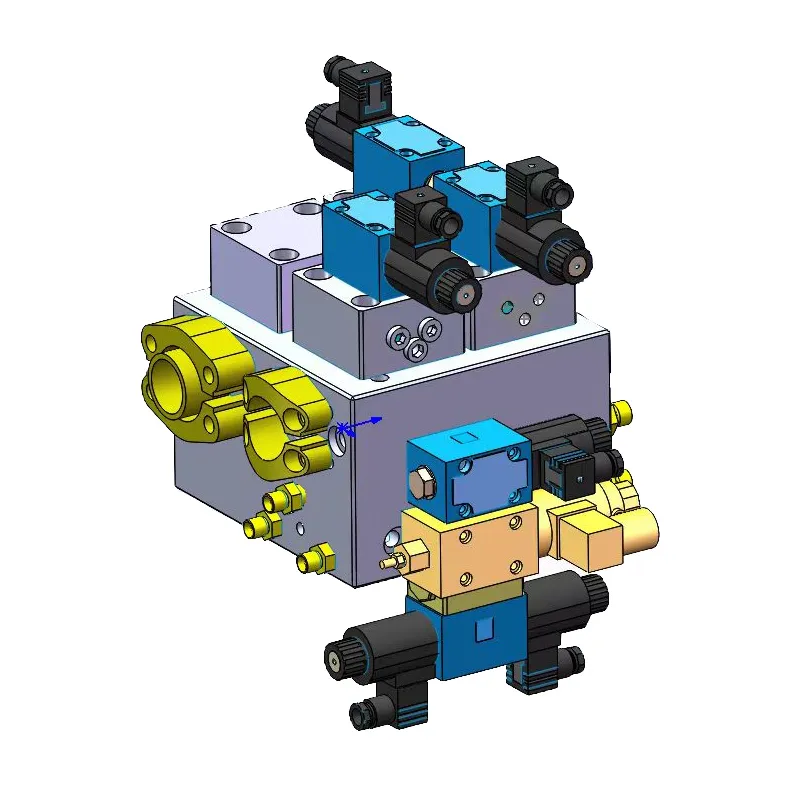
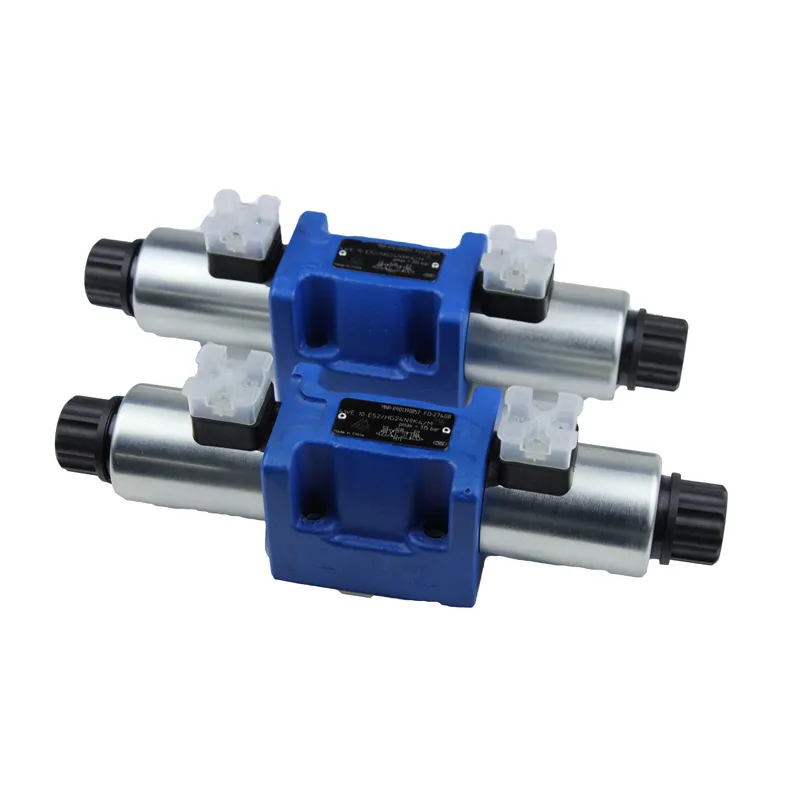
Hydraulic spool valve block on the plug, mainly divided into two major factions: one is non-expansion type, the second type of expansion type plug.
Non-expanding plugs are used more often, that is, our most common threaded plugs. This is the most common type of threaded plugs, which are used when you want to block a process hole that may need to be opened in the future, such as for a pressure measurement point, or for internal cleaning of the system.
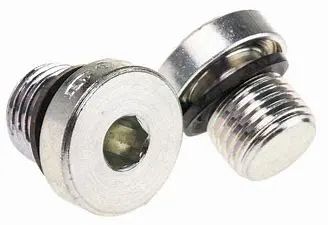
Threaded plugs have a disadvantage precisely because they were designed to be easily removed, so leakage is the biggest flaw.
On the contrary, if you can plug this process hole at once, sealing with expansion plugs, steel balls, or similar methods will provide better leakage prevention.

Since threaded plugs are very familiar to everyone, we’re going to take a look at expanding plugs today.
You can further subdivide expansion plugs into two types: press-up type and pull-up type.
Structure of Ball Expansion Plugs
The representative of the press-up plug is the ball-up plug, which consists of two parts: the ball and the sleeve. The outer diameter of the sleeve can range from 2.36mm to 24mm.

Ball Expansion Plug Installation
You need to machine a step hole before installation. After inserting the plug, use a special press rod to press the steel ball into the inside of the sleeve to complete the blocking.
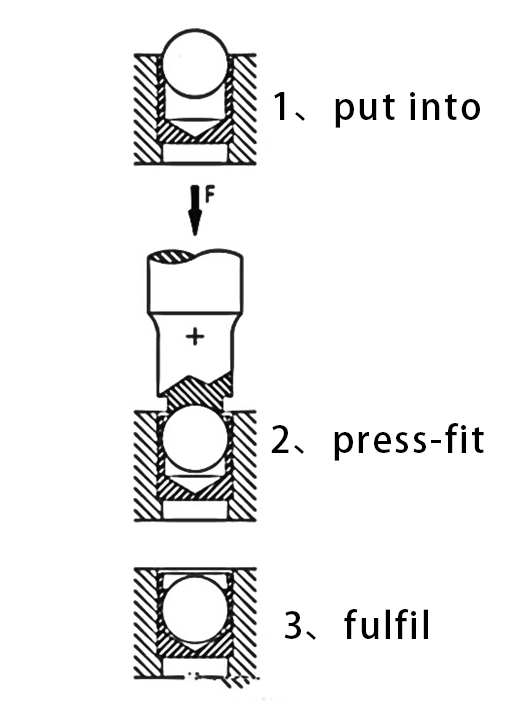
Ball expansion plugs can carry a rated load range of about 120Bar ~ 450Bar, different sleeve materials corresponding to the pressure range, of course, like KVT brand pressure resistance can be higher.
In addition, the process hole of the ball expansion plug, its processing requirements are not particularly high, as long as to ensure that the tolerance of 0.1mm, surface roughness control in the Ra3.2 ~ 6.3 can be.
Structure of pull-up plugs
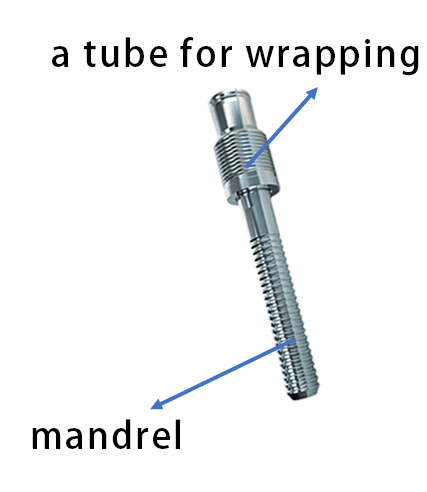
The design of pull-up plugs consists of two parts: the mandrel and the sleeve.
Installation of pull-up plugs
You achieve a reliable seal by machining straight holes before installation and then using a special pneumatic tool gun, rated to 500 Bar, to pull off the mandrel.
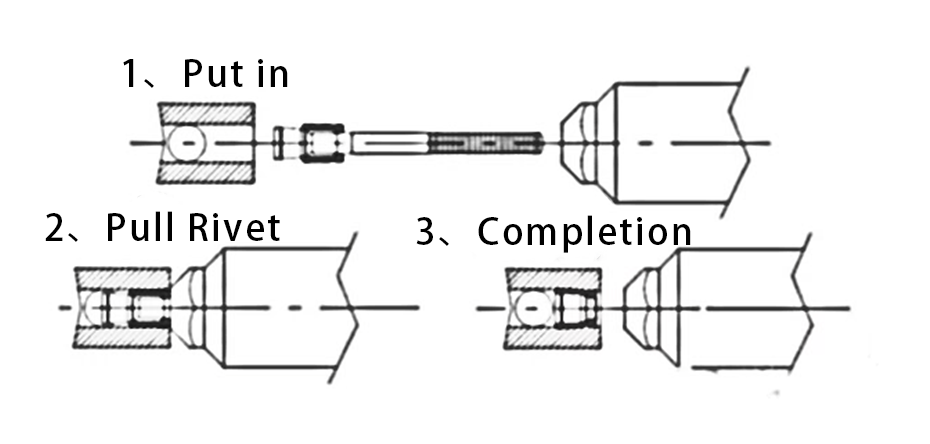
For a hydraulic spool valve block, the outer diameter of the plug ranges from 4 mm to 10 mm. The machining requirements for the process hole need to meet a tolerance of 0.12 mm. The surface roughness should be between Ra3.2 and 6.3.
summaries
Finally a brief overview of the advantages of expansion sealing plugs:
- Quick installation;
- Near-zero leakage after installation;
- Small installation space required;
- Easy installation in deep holes.
Contact Zhuo Yi Control Technology for the latest production technology!