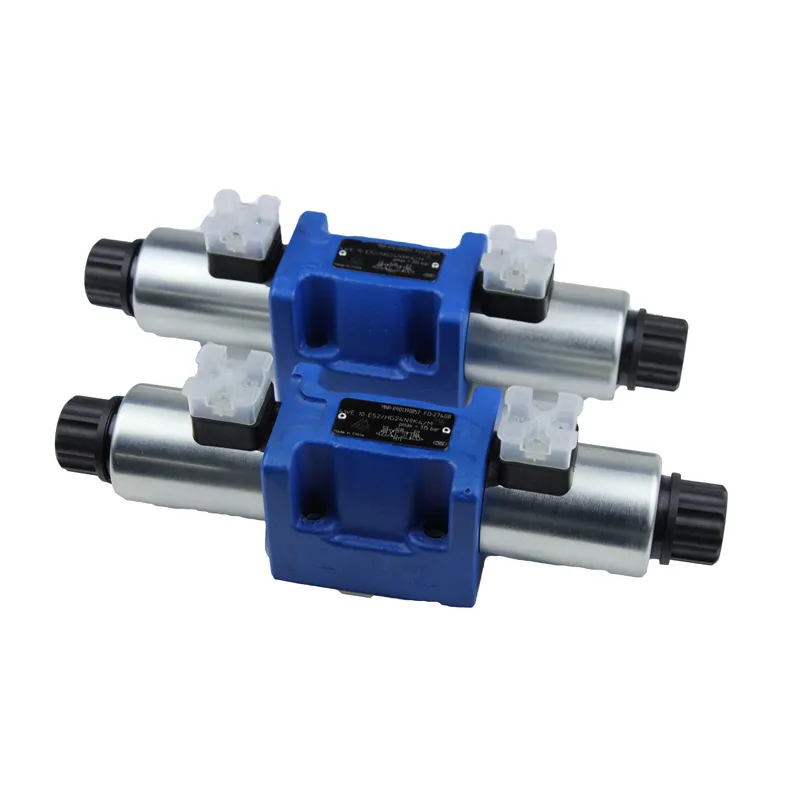
In a hydraulic system, the solenoid-controlled hydraulic valve is an important control element. It uses electromagnetic force to control the flow of liquid. This control enables functions such as start-stop, direction, and pressure control. The principle is that the electromagnetic coil generates a magnetic field to control the movement of the spool. This movement, in turn, controls the liquid flow. Solenoid-controlled hydraulic valves offer flexible, fast, and accurate control abilities. They are widely used in various engineering fields.

Hydraulic system is a common power transmission system in the field of engineering, it uses the liquid as a medium to transfer energy, through the transfer of pressure to achieve a variety of mechanical movements. In the hydraulic system, solenoid controlled hydraulic valve as a control element plays a vital role. In this paper, we will introduce the functions of common solenoid valves in the hydraulic system and its principle of action.
Function of solenoid controlled hydraulic valves
Solenoid valve is a device to control the flow of liquid through electromagnetic force, it can achieve a variety of hydraulic system components (such as hydraulic cylinders, hydraulic motors, etc.) start and stop, direction control, pressure control and other functions. Specifically, the solenoid controlled hydraulic valves in the hydraulic system mainly have the following functions:
(1) start-stop control: The on-off solenoid coil controls solenoid-controlled hydraulic valves, allowing the start-stop control of various hydraulic system components and enabling the motion control of mechanical equipment.
(2) Direction control: Solenoid-controlled hydraulic valves can change the position of the internal spool. This adjustment controls the direction of liquid flow in the hydraulic system. Consequently, it controls the direction of movement of the executive element.
(3) pressure control: Some solenoid-controlled hydraulic valves can adjust the spool’s opening degree. This adjustment controls the liquid pressure in the hydraulic system. It ensures that the system operates within a certain pressure range.
Principle of action of solenoid controlled hydraulic valves
The working principle of the solenoid-controlled hydraulic valve involves using the magnetic field generated by the electromagnetic coil. This magnetic field controls the movement of the spool. By controlling the spool’s movement, the valve regulates the liquid flow. Generally speaking, the solenoid valve consists of electromagnetic coil, spool, valve body and seals and other components. When the solenoid coil is energized, it generates a magnetic field. This magnetic field displaces the spool. As a result, the channel state between the spool and the valve seat changes. This change controls the flow of liquid.
Specifically, when the electromagnetic coil energizes, it generates a magnetic field on the valve spool. This magnetic field interacts with the permanent magnet on the valve spool, causing the valve spool to displace. When the spool displaces, it changes the channel state between the spool and the valve seat, thereby controlling the flow of liquid. When the solenoid coil is de-energized, the magnetic field disappears, causing the spool to return to its initial position, which closes or opens the liquid passage.
In short, the solenoid controlled hydraulic valves control the spool position by controlling the on-off of the electromagnetic coil, thus realising the control of liquid flow. By using electromagnetic force to control the liquid flow, the solenoid valve achieves flexible, fast, and precise control in hydraulic systems. This capability makes it widely used in various engineering fields.
In the hydraulic system, different types of solenoid controlled hydraulic valves have different functions and characteristics, such as check valves, relief valves, proportional valves and so on. Each type of solenoid valve has its specific application scenario and working principle. Therefore, when selecting and applying solenoid valves, you need to base your choice on specific engineering requirements and performance parameters. Additionally, you should follow the operating procedures strictly for installation and use.
In short, the solenoid valve is an important control element in the hydraulic system. It offers flexible, fast, and accurate control capabilities. This enables precise control of the liquid flow. As a result, it provides a reliable guarantee for the movement of various mechanical equipment. I hope this article helps readers gain a more in-depth understanding of the common functions and principles of solenoid valves in hydraulic systems. I also hope it enhances the role of solenoid valves in actual engineering applications.
Contact Zhuo Yi Control Technology for the latest production technology!