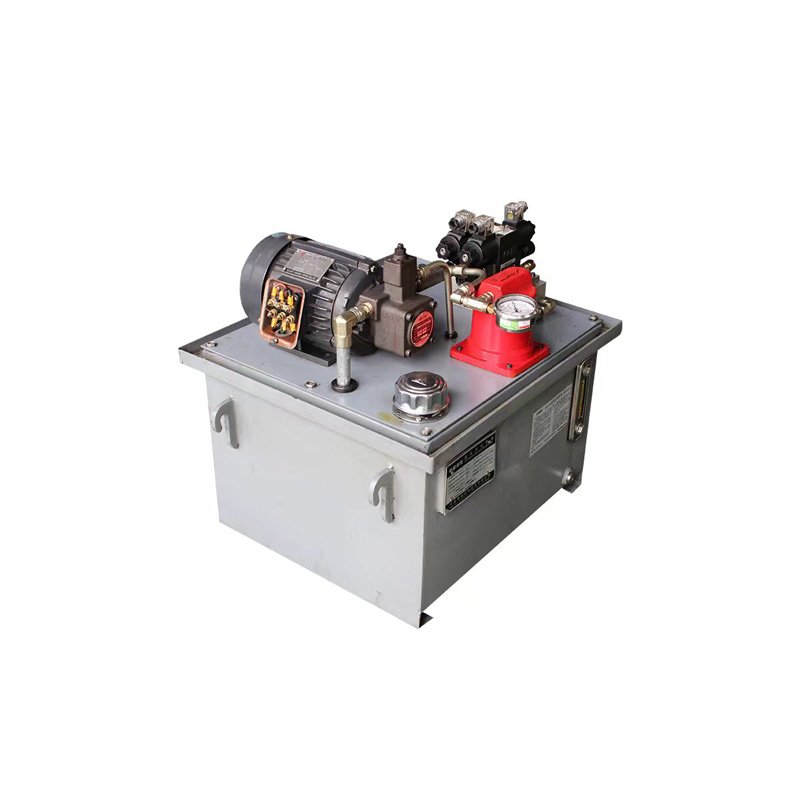
A ac hydraulic power unit is a device used to drive a hydraulic system, which consists of several components and parts and has a complex structure. The following are the main structural components of a hydraulic power unit:
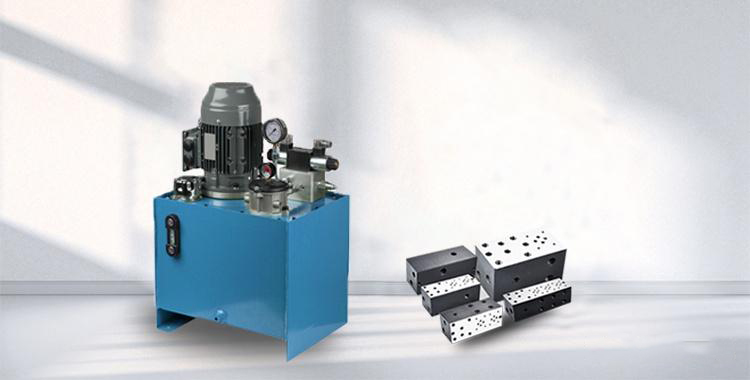
The structure of an AC hydraulic power unit is quite complex, with various components working in tandem to ensure the efficient functioning of the hydraulic system. Let’s break down the key components and their roles in more detail:
(a) Hydraulic Pump: The hydraulic pump serves as the core component of the AC hydraulic power unit. It is primarily responsible for drawing hydraulic oil from the storage tank and transferring it under pressure to the hydraulic system. Typically, hydraulic pumps may utilize gear pumps, piston pumps, or vane pumps, depending on the specific needs of the hydraulic system. Selecting the appropriate pump is crucial for the system’s optimal performance.
(b) Electric Motor: The electric motor plays a pivotal role by driving the input shaft of the hydraulic pump, thereby providing the necessary power for the pump’s operation. Generally, a three-phase asynchronous motor is used. The selection of the motor is based on the power requirements of the hydraulic system, ensuring that the pump operates efficiently.
(c) The Reservoir: The reservoir is specifically designed to store hydraulic oil. Furthermore, it plays a crucial role in maintaining the normal working pressure of the hydraulic system. Typically, manufacturers make the tank from either metal or plastic and carefully construct it with a specific volume and an oil level control device. As a result, this setup consistently ensures that the hydraulic oil within the system remains within the appropriate operating range. This consistency, in turn, supports the overall efficiency of the system. Furthermore, it enhances the reliability of the entire hydraulic system.
(d) The Tank Filter: The tank filter is an essential component, as it effectively filters out impurities and particles from the hydraulic oil. Consequently, this ensures the clean and smooth operation of the hydraulic system. Usually, the filter employs either a cartridge or screen structure. Additionally, the specific requirements of the hydraulic system determine the choice of filtration accuracy. This highlights the importance of selecting the appropriate filter type. Doing so is essential to maintaining optimal system performance.
(e) Hydraulic Valves: Hydraulic valves are crucial for controlling and regulating various parameters of the hydraulic system, such as pressure, flow, and direction. There are numerous types of hydraulic valves, including control valves, safety valves, sequence valves, and relief valves.
(f) Pressure Gauges and Oil Thermometers: Operators use pressure gauges to measure the working pressure of the hydraulic system. Meanwhile, oil thermometers monitor the temperature of the hydraulic oil. By continuously monitoring these parameters, operators can stay informed about the hydraulic system’s condition, ensuring its normal operation.

(g) Tubing and Piping: Tubing and piping connect various hydraulic components, including the hydraulic pump and valves. These connections create a complete hydraulic system. These pipes typically use metal materials, which withstand pressure and resist corrosion, ensuring the system’s integrity.
(h) Control Circuits and Electrical Components: The control circuits and electrical components of the AC hydraulic power unit manage the start and stop functions. Additionally, they oversee the work processes and protective features of the hydraulic system. These components include solenoid valves, relays, switches, and terminals. They are arranged and connected based on the control requirements of the system.
Finally, it is absolutely essential to note that the components and parts of the AC hydraulic power unit must work in perfect harmony. This coordination is crucial for successfully completing the tasks required by the hydraulic system. Moreover, Beijing Chuhai Technology strongly recommends giving careful consideration to the specific working demands of the hydraulic system. Additionally, they emphasize the importance of addressing the performance requirements during the design and assembly process. This attention to detail should be a priority during the design and assembly process of the AC hydraulic power unit.
It is of utmost importance to address these factors to ensure optimal performance. By thoughtfully selecting the most appropriate components, you can effectively guarantee the overall functionality of the hydraulic power unit. Additionally, ensuring their reliable connection and stable operation is crucial for maintaining this functionality. As a result, this will also ensure the safety and stability of the entire hydraulic system. This aspect is critical for the system’s long-term reliability. Moreover, it directly impacts the overall performance of the hydraulic system.
Contact Zhuo Yi Control Technology for the latest production technology!