Automobile manufacturing is a complex process that involves the production of automobiles, including cars, trucks, and commercial vehicles, from raw materials to finished vehicles ready for sale. It encompasses various stages such as design, engineering, assembly, testing, and quality control. Automobile manufacturers employ advanced technologies and production methods to ensure the efficiency, safety, and reliability of vehicles produced for global markets.
Importance of Automobile Manufacturing
Automobile manufacturing is crucial for the automotive industry and global economy, providing transportation solutions that facilitate economic growth, mobility, and personal convenience. It involves a network of suppliers, manufacturers, distributors, and dealerships, supporting millions of jobs worldwide and driving technological innovation in vehicle design and production.
Stages of Automobile Manufacturing
- Design and Engineering: Automotive engineers design vehicle components, systems, and assemblies using computer-aided design (CAD) software and advanced engineering principles to optimize performance, safety, and aesthetics.
- Component Manufacturing: Suppliers manufacture automotive components such as engines, transmissions, chassis, and electrical systems to precise specifications and quality standards.
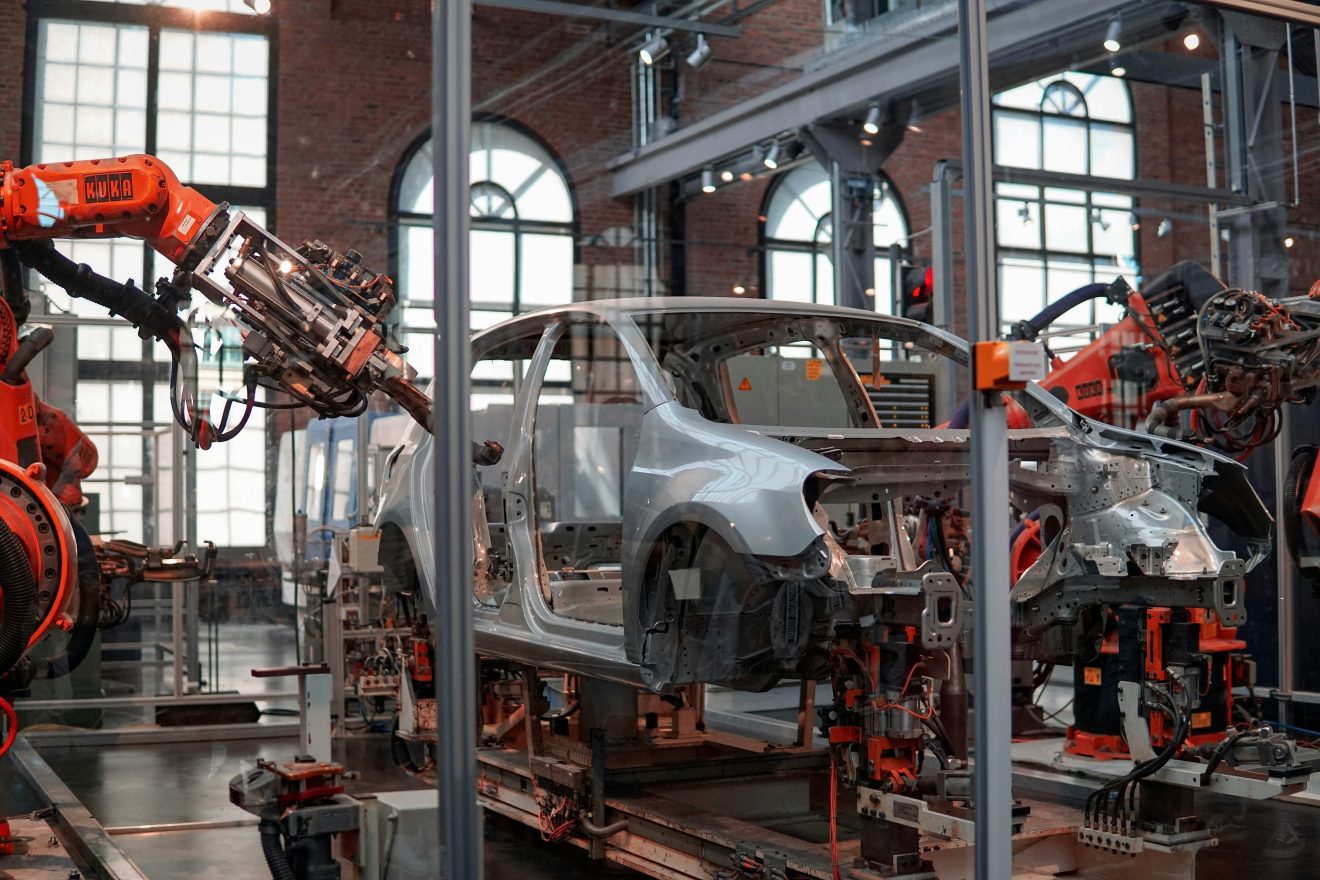
- Assembly Line Production: Vehicles are assembled on production lines where components and subsystems are integrated sequentially. Assembly processes include body welding, painting, trim assembly, and final vehicle assembly.
- Quality Control and Testing: Quality control measures ensure vehicles meet safety, performance, and regulatory standards. Testing includes durability testing, crash testing, and quality inspections throughout the manufacturing process.
Application of Hydraulic Manifolds in Automobile Manufacturing
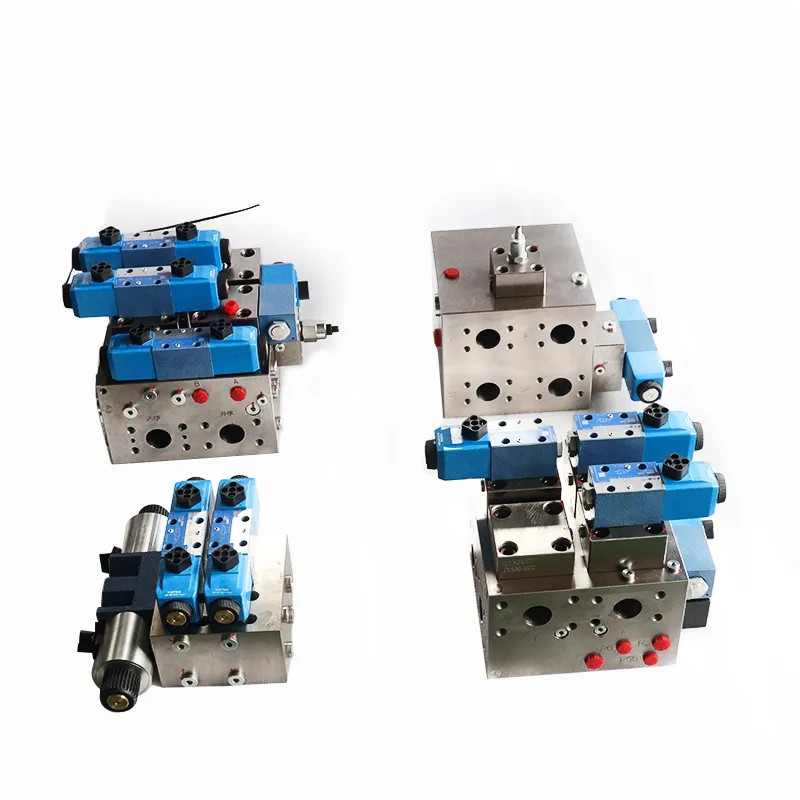
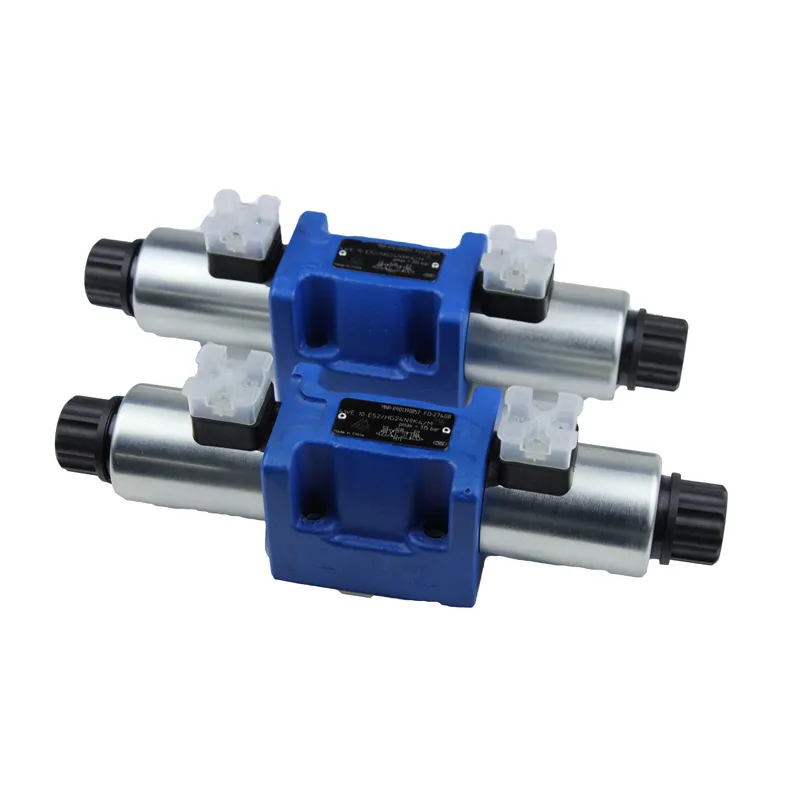
Hydraulic manifolds are critical components in automobile manufacturing, facilitating the operation and control of hydraulic systems that power essential functions in automotive assembly and production equipment. A hydraulic manifold acts as a centralized distribution block that directs hydraulic fluid to various actuators, motors, and hydraulic components.
Functions of Hydraulic Manifolds in Automobile Manufacturing
- Robotic Assembly Systems: Hydraulic manifolds regulate hydraulic fluid flow to control robotic arms and actuators used in automated assembly processes such as welding, sealing, and fastening of vehicle components. They ensure precise and efficient operation of assembly line robots.
- Press Machines: In automotive stamping and metal forming operations, hydraulic manifolds manage hydraulic systems in press machines used to shape sheet metal into vehicle body panels and structural components. They control hydraulic cylinders and presses for accurate and high-speed metal forming.
- Hydraulic Power Units (HPUs): Manifolds regulate hydraulic fluid to HPUs that power hydraulic lifts, jacks, and fixtures used for vehicle positioning, alignment, and lifting during assembly and maintenance operations. They enhance worker safety and efficiency on the production floor.
- Hydraulic Clamping Systems: Manifolds control hydraulic clamping systems that secure vehicle components and tooling fixtures in place during welding, machining, and assembly processes. They ensure precise alignment and stability, improving manufacturing accuracy and product quality.
Example of Hydraulic Manifolds in Automobile Manufacturing
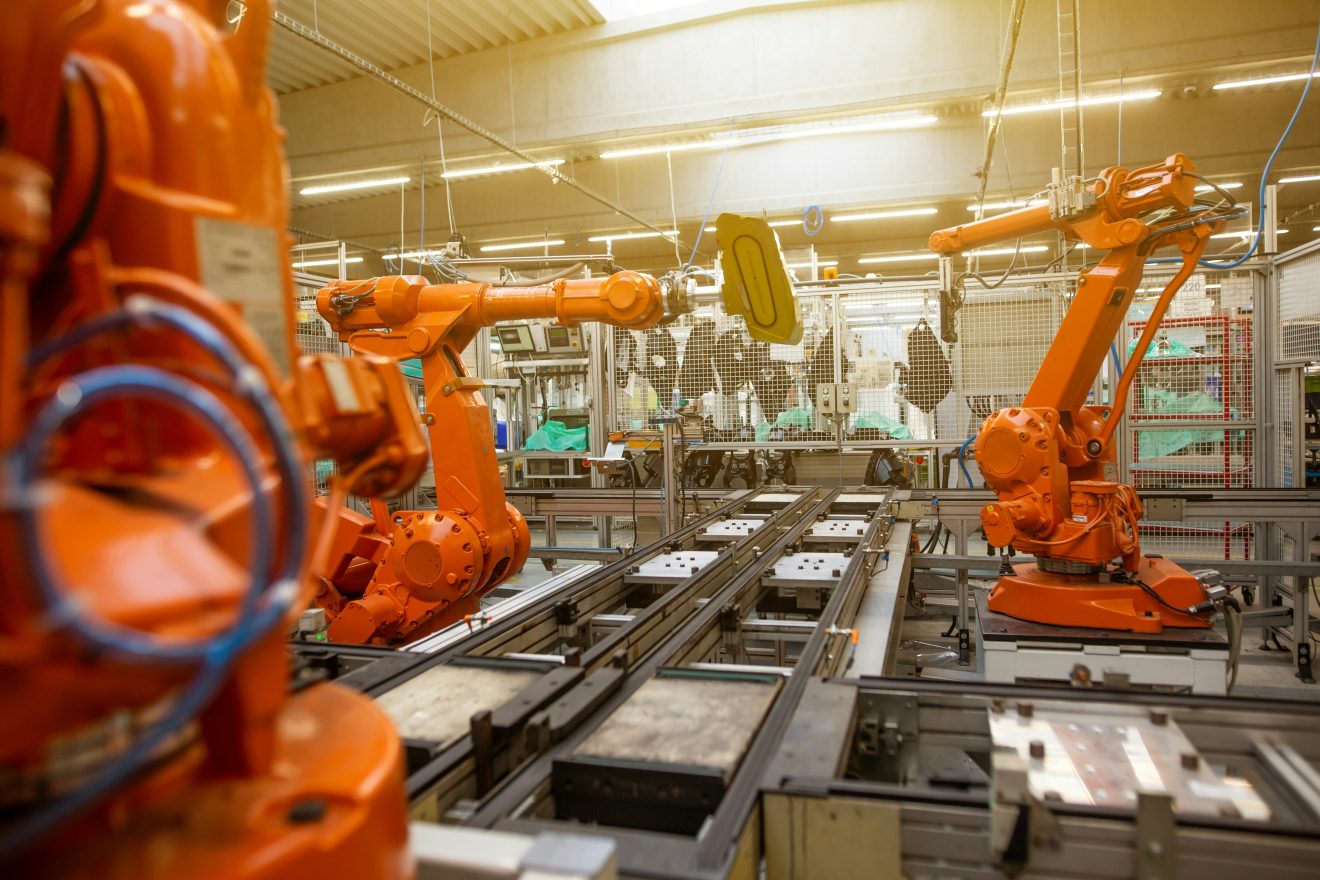
Robotic Welding Systems: Automated robotic welding systems in automobile manufacturing rely on hydraulic manifolds. These manifolds control hydraulic systems for robot arms and welding torches. The manifolds manage hydraulic fluid flow to adjust welding positions, angles, and pressure. This ensures consistent and high-quality welds on vehicle components.
Conclusion
Automobile manufacturing is a dynamic and technology-driven industry that shapes the global automotive market. Hydraulic manifolds play a vital role in automobile manufacturing. They regulate hydraulic systems, enhancing efficiency, precision, and safety. These improvements benefit both assembly and production processes. Their application in robotic assembly systems, press machines, hydraulic power units, and clamping systems underscores their importance. These manifolds are crucial for achieving high-quality vehicle production. They also enhance assembly line performance. As automotive technologies continue to evolve, hydraulic manifolds remain integral. They optimize manufacturing processes and support innovation in vehicle design and production. This role is crucial worldwide.
Contact Zhuo Yi Control Technology for the latest production technology!