
Cartridge valves hydraulic action:
Cartridge valves hydraulic are valve used to control the flow of fluid in a hydraulic system. It can be inserted into the hydraulic line to control the flow, pressure, direction and so on. The role of cartridge valves hydraulic include: 1. control flow: cartridge valves hydraulic can be adjusted by adjusting the valve opening, control the flow of fluid. 2. control pressure: Adjusting the valve opening controls the pressure in the hydraulic system with hydraulic cartridge valves. 3. control the direction: Changing the position of the valve controls the direction of the fluid in the hydraulic system with hydraulic cartridge valves. 4. protection of the hydraulic system: cartridge valves hydraulic can play a protective role in the hydraulic system. Can play a protective role in the hydraulic system, such as overload protection, overcurrent protection.
In short, the cartridge valves hydraulic are indispensable control element in the hydraulic system, it can ensure the normal operation of the hydraulic system, improve the efficiency and safety of the hydraulic system.
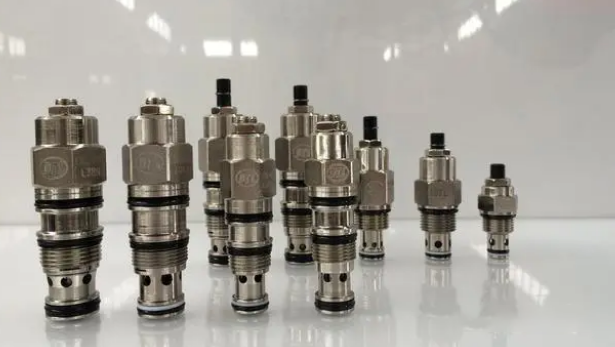
Cartridge valve hydraulic drawings explained:
Hydraulic cartridge valves are common hydraulic components that control parameters such as flow, pressure, and direction in a hydraulic system. Here is a hydraulic drawing of a cartridge valve, let’s learn more about it together. First of all, we can see that the cartridge valve in the drawing consists of two main parts: the valve body and the spool. Manufacturers usually make the valve body from aluminum alloy or steel, ensuring high corrosion resistance and strength. The spool is usually made of steel, with high hardness and wear resistance. Secondly, the drawings also mark some important parameters of hydraulic cartridge valves, such as maximum flow rate, maximum working pressure, control mode, etc. These parameters are important for the design and selection of cartridge valves. These parameters are very important for designing and selecting cartridge valves, and you should select them according to the specific hydraulic system requirements.
Finally, we can see the piping connections in the drawings, usually including threaded connections, flange connections and so on. You should select these connections according to the specific requirements of the hydraulic system. In short, the hydraulic drawings of cartridge valves is a very important reference in the design and selection of hydraulic systems, need to carefully read and understand.
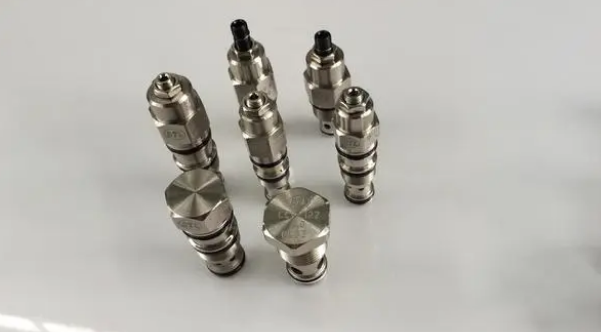
Cartridge valves hydraulic selection:
When selecting hydraulic cartridge valves, you need to consider the following factors: 1. flow requirements: according to the need to control the size of the flow to select the appropriate cartridge valve calibre. 2. pressure requirements: according to the system’s working pressure to select the appropriate cartridge valve pressure rating. 3. temperature requirements: Select the appropriate cartridge valve materials and sealing materials based on the system’s working temperature. 4. media requirements: according to the system’s media properties to select the appropriate cartridge valve materials and sealing materials. 5. control mode: according to the need to achieve the control mode to select the appropriate cartridge valve, such as manual, electric, pneumatic, etc. 6. Select the appropriate cartridge valve materials and sealing materials. 5. control mode: according to the need to achieve the control mode to select the appropriate cartridge valve, such as manual, electric, pneumatic, etc. 6. installation mode: according to the system’s piping structure to select the appropriate cartridge valve mounting, such as flange connection, threaded connection, etc. 7. brand and quality: choose a well-known brand of cartridge valves, to ensure product quality and after-sales service.
In short, when choosing cartridge valves hydraulic, you need to consider the above factors, choose the right cartridge valve products.
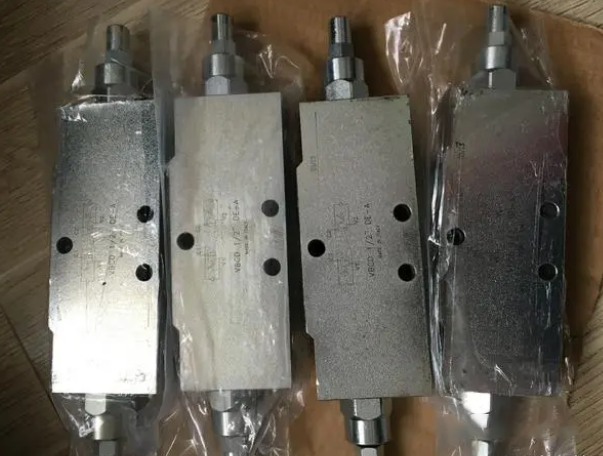
Principle of operation of cartridge valves hydraulic:
Cartridge hydraulic valves control flow, pressure, direction, and other parameters in the hydraulic system as a type of control element. Its working principle mainly involves the movement of the spool. This movement changes the channel in the hydraulic system. As a result, it achieves the function of controlling the hydraulic system. Valve bodies, spools, springs, and other components usually make up hydraulic cartridge valves. When the hydraulic system applies pressure to the spool, it exerts a force on the spool. This force causes the spool to move in one direction. When the spool moves to a certain position, it changes the channel in the hydraulic system. This change achieves the function of controlling the hydraulic system. Hydraulic cartridge valves categorize parameters in the hydraulic system. They include flow control valves, pressure control valves, directional control valves, and other types.
Different types of hydraulic cartridge valves have different working principles. However, their basic principle is to change the channel in the hydraulic system through the movement of the spool. This change achieves the function of controlling the hydraulic system.
Type of cartridge valves hydraulic spool:
Types of cartridge valves hydraulic spools include: 1. hydraulic cartridge spools: used to control the flow of liquid in the hydraulic system, including check spools, relief spools, throttle spools, etc. 2. pneumatic cartridge spools: used to control the flow of gases in the pneumatic system, including check spools, regulating spools, quick exhaust spools, etc. 3. electromagnetic cartridge spools: used to control the flow of electromagnetic signals in the electromagnetic system, including check spools, 4. mechanical cartridge spool: used to control the movement of mechanical components in mechanical systems, including limit spool, directional spool, flow spool, etc. 5. hybrid cartridge spool: combining hydraulics, pneumatics, electromagnetism and machinery to achieve a variety of complex control functions.
How to analyse cartridge valves hydraulic symbols:
The cartridge valves hydraulic symbol usually consists of the following parts: 1. a rectangle representing the body of the cartridge valve; 2. a triangle representing the inlet port; 3. a circle representing the outlet port; and 4. an arrow representing the direction of fluid flow. To analyze cartridge valve symbols, note the following points: 1. The rectangle in cartridge valve symbols represents the cartridge valve body, usually shown as a rectangle or square, depending on the cartridge valve’s design. 2. The triangle and circle represent the inlet and outlet ports, respectively; their positions and directions are crucial. 3. The arrow indicates the direction of fluid flow, typically from the inlet to the outlet, though there are special cases like reverse cartridge valves.
When you analyze hydraulic cartridge valve symbols, consider the context of the actual situation. Include factors such as the type of hydraulic cartridge valve, its operating principle, and its installation method.
What material is the threaded cartridge valve seal retainer:
The material for the threaded cartridge valve seal retaining ring can vary. Common materials include rubber, polyurethane, PTFE, and others. Specific selection should be based on the working environment, media, temperature and other factors for comprehensive consideration.
Contact Zhuo Yi Control Technology for the latest production technology!


