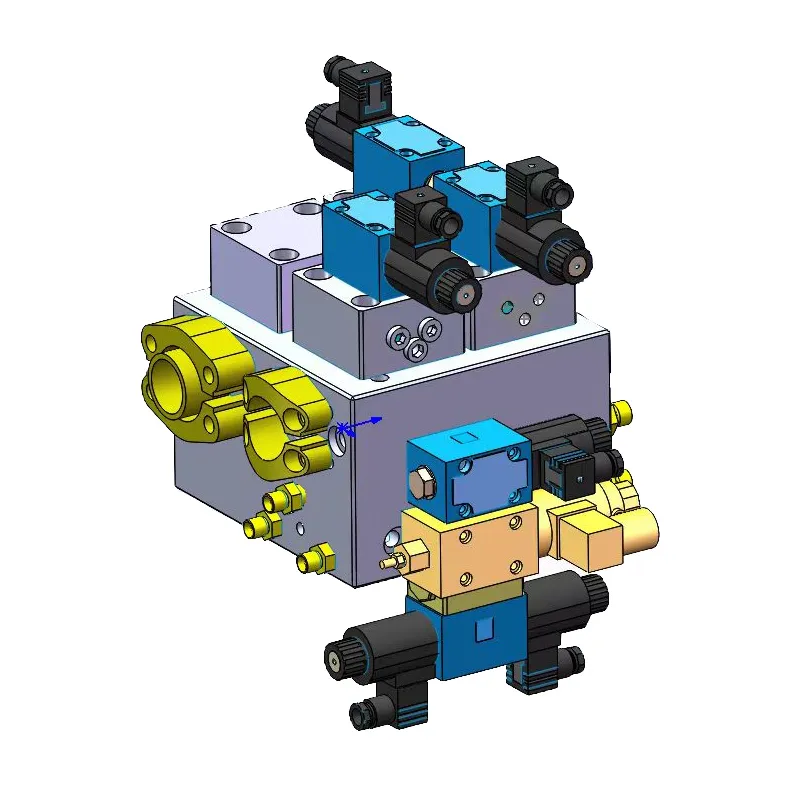
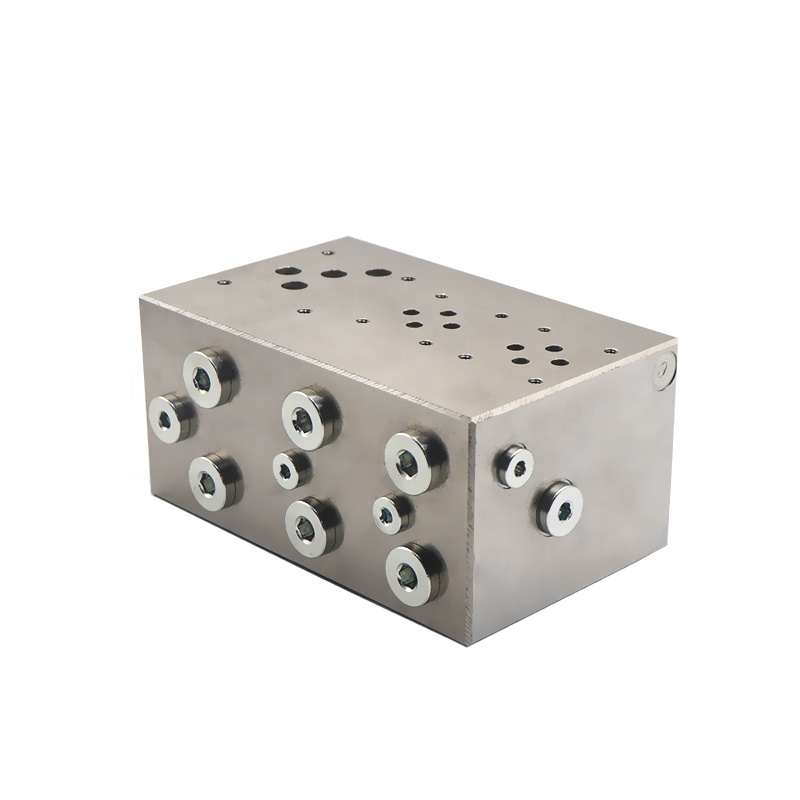
When the spool valve block encounters problems during operation, it can affect the performance of the hydraulic system. In severe cases, it may lead to accidents. Therefore, workers must understand the reasons behind common problems and the corresponding control measures. They should select appropriate control methods to minimize losses.

Quality analysis and control in the manufacture of spool valve block production
- The manufacturing of spool valve blocks involves many stages. Workers should ensure that each stage meets the standard to minimize the possibility of quality problems. In the pre-processing stage, the main goal is to check the material for sand eyes and interlayers. Before processing, workers should conduct flaw detection on the embryo parts. This step helps identify any issues with the materials. It ensures that the materials are available and suitable for the subsequent steps.
- After ensuring that there are no problems, the next stage is machining. During this stage, workers use machines for milling, planing, and other processes to treat the surfaces and reduce their roughness. It is important to treat the roughness in strict accordance with factory standards. For demanding workpieces such as hydraulic valves, flanges, pipe fittings, and pins, their mounting surfaces should be free of scribe marks and other defects. This is crucial because defects can cause fluid leakage and may damage valve blocks due to uneven stresses.
- After completing the machining process and ensuring no abnormal problems, you should deburr the valve block. Cleaning up the valve block at the intersections of the flow path ensures that the entire system can be installed coherently. Failure to remove the burrs may affect the performance of the entire hydraulic control system. Additionally, ensure that the valve block is smooth throughout. The last job is to clean, the main purpose is to remove the blind hole in the dirt and attached to the surface of the valve block a variety of particles of pollutants, corrosion, grease and so on. In addition, workers can use anti-rust cleaning fluid during the cleaning process. This practice helps reduce the possibility of rusting on the valve block. It also extends the service life of the valve block.
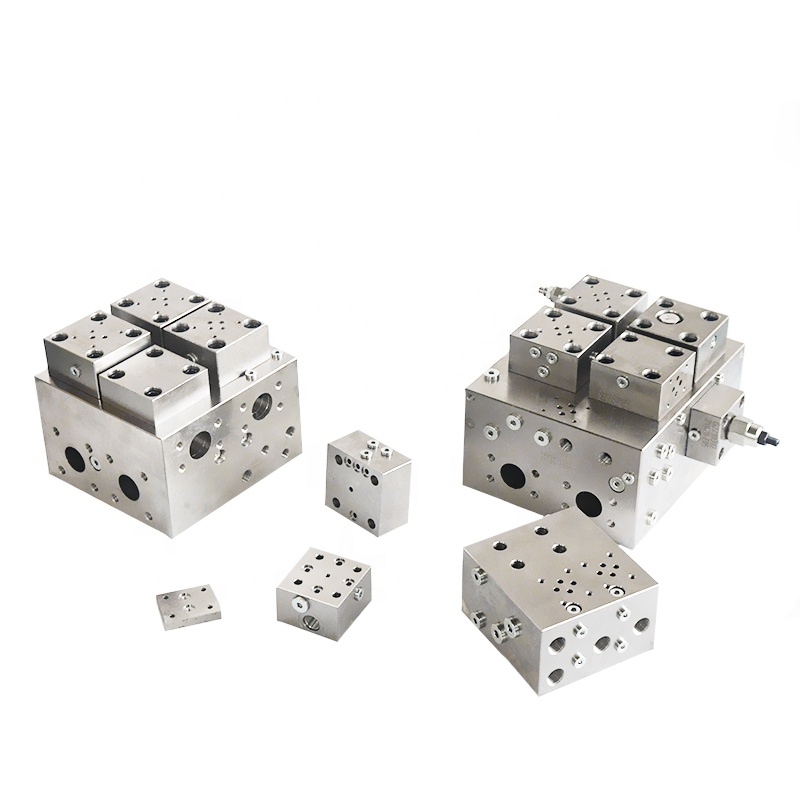
The spool valve block common problems and control measures
- On the one hand, when dealing with spool valve blocks, deformation of the material may occur due to uneven heat treatment.
- Firstly, workers must become familiar with the corresponding heat treatment method and the appropriate temperature. Secondly, they should determine the appropriate machining allowance based on the production of the spool valve block. Additionally, selecting the right tool is crucial to prevent material deformation, which could affect the use of the spool valve block.
- In addition, during the production process of the spool valve block, there may be a problem of surface damage due to debris getting into the spool valve block or problems with the cutter when cutting. However, such problems may lead to problems such as oil leakage, which may affect the work of the whole system.
- Therefore, during processing, it is essential to ensure that debris in the manufacturing environment is minimal and cleaned up promptly. Choosing a sharp tool can help, and if the blade becomes dull, replacing it in a timely manner is important. It is also necessary to remove burrs promptly to prevent damage to the surface during assembly. Additionally, operators should receive the necessary training to improve their professional skills.
- On the other hand, the spool valve block may also have the problem of pore damage. The main reasons for hole damage are as follows: one reason may be a problem with the blade itself. Another reason could be that the workers lack sufficient skill in the drilling process or do not perform the drilling process correctly. Additionally, the operation of the machine may not be performed skillfully. There is also the possibility that the design of the workholding jig is unreasonable, which affects the processing of the inner hole. However, the void damage of the spool valve block will affect the performance of the valve block commutation, and there will be fluid leakage, affecting the operation of the hydraulic system. In addition, rough bores may wear the spool, so it is important to control the accuracy of the bores.
- Currently, the main control measures are to ensure that the cutting edge of the tool can work properly. This includes the design of reasonable jigs and fixtures. For different uses of the spool valve block, different heat treatment processes are taken. The development of processes involves setting process requirements and requiring employees to master the operation of the machine. Additionally, relevant technical guidance is carried out.
Contact Zhuo Yi Control Technology for the latest production technology!