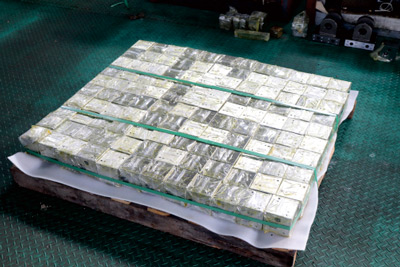
A standard valve block is a fundamental component in hydraulic and pneumatic systems, serving as a central hub for fluid control. It is typically made from robust materials such as steel or aluminum, ensuring durability and reliability under high-pressure conditions. The valve block contains multiple ports and pathways, allowing for the integration of various valves and facilitating complex fluid routing within a compact design.
Key Features:
1. Durability: Constructed from high-strength materials, standard valve blocks are designed to withstand extreme pressures and harsh operational environments.
2. Compact Design: The integration of multiple valves within a single block reduces the overall system footprint, making it ideal for space-constrained applications.
3. Versatility: Standard valve blocks can accommodate a range of valve types, including directional, pressure, and flow control valves, providing flexibility for diverse hydraulic and pneumatic systems.
4. Precision: Manufactured with high precision, these valve blocks ensure accurate fluid control and efficient system performance.
Applications:
Standard valve blocks are widely used in various industries such as construction, manufacturing, aerospace, and automotive. They are essential in machinery like hydraulic presses, injection molding machines, and heavy-duty construction equipment, where reliable fluid control is critical.
Maintenance and Care:
Regular maintenance of valve blocks involves routine inspections for signs of wear, ensuring that all connections are secure, and replacing any damaged components promptly. Proper maintenance extends the lifespan of the valve block and maintains optimal system performance.
| safety factor | ||||
| materials | static load | dynamic load | shock load | |
| repeated load | alternating load | |||
| foundry iron | 4 | 6 | 10 | 15 |
| mild steel | 3 | 5 | 8 | 12 |
| cast steel | 3 | 5 | 8 | 15 |
| light metal | 5 | 6 | 9 | 15 |
| Comparison of Materials Commonly Used for Valve Blocks | |||||
| Type | Working pressure/Mpa | Thickness/mm | Manufacturability | Weldability | Cost factor |
| Hot-rolled steel sheet | ≈35 | <160 | usual | usual | 1 |
| Carbon steel forgings | ≈35 | >160 | usual | usual | 1.5 |
| Free Cutting Steel | ≈35 | Rods, Plates | usual | usual | 1.5 |
| Grey cast iron | ≈14 | —— | good | unacceptable | 2 |
| Ductile iron | ≈35 | —— | usual | unacceptable | 2.1 |
| Aluminium alloy forgings | ≈21 | —— | good | unacceptable | 3~5 |
Ensure Quality – Full CNC Machining
We adopt full CNC processing to maximize the elimination of human error, with consistency as high as 98%. Several strict inspection and cleaning procedures and a perfect system guarantee the high quality of the products.
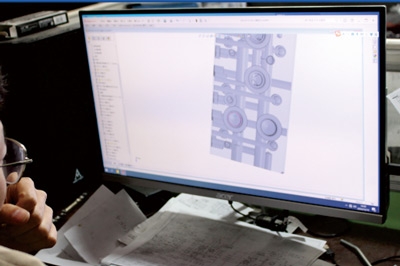
Technology development and design
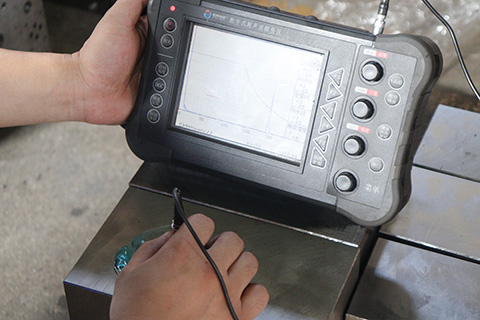
Testing of raw materials
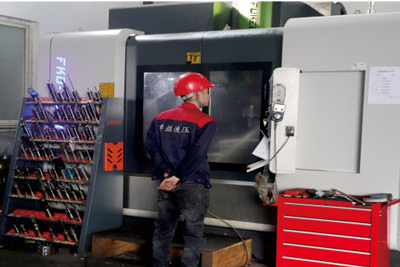
CNC machining
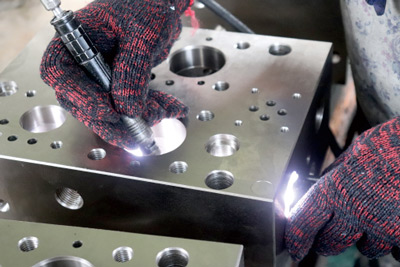
Burr repair
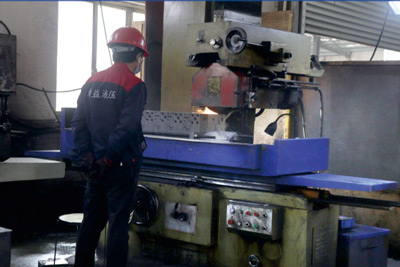
Surface grinding machine
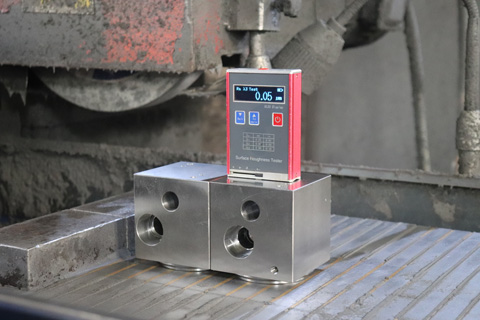
Surface finish detection
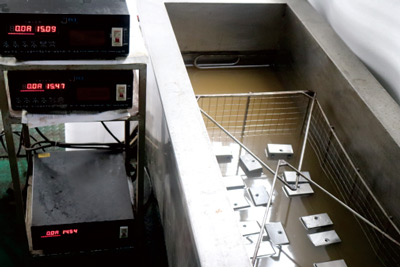
Ultrasonic cleaning
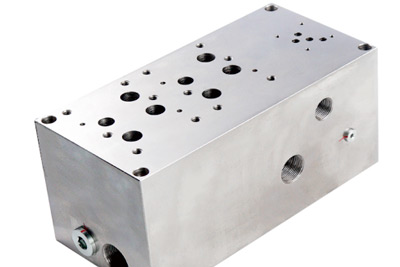
External processing nikel plating
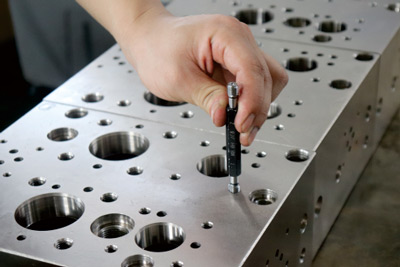
Thread check gauge
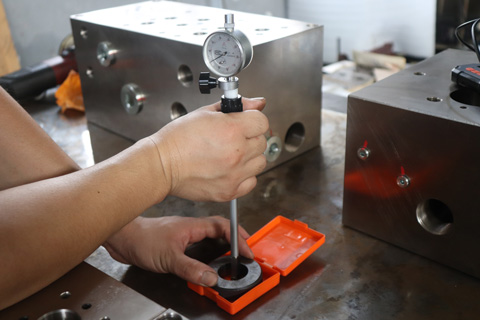
Hole inner diameter dial indicator detection
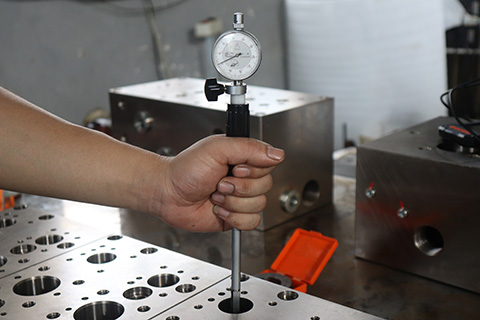
Thread ring gauge detection
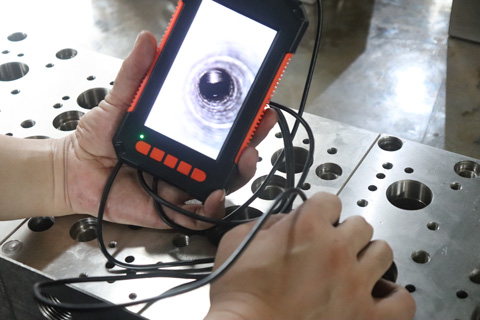
Semi-finished products endoscopic detection
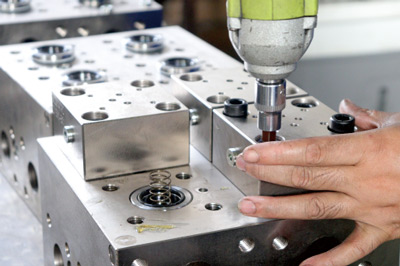
Product assembly
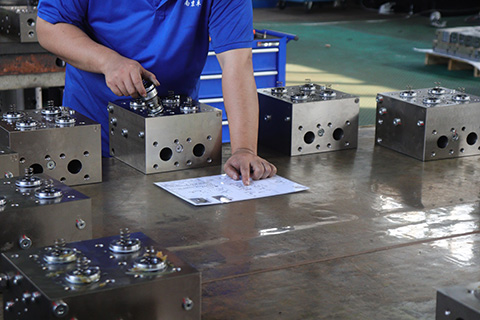
Assembly drawing comparison check