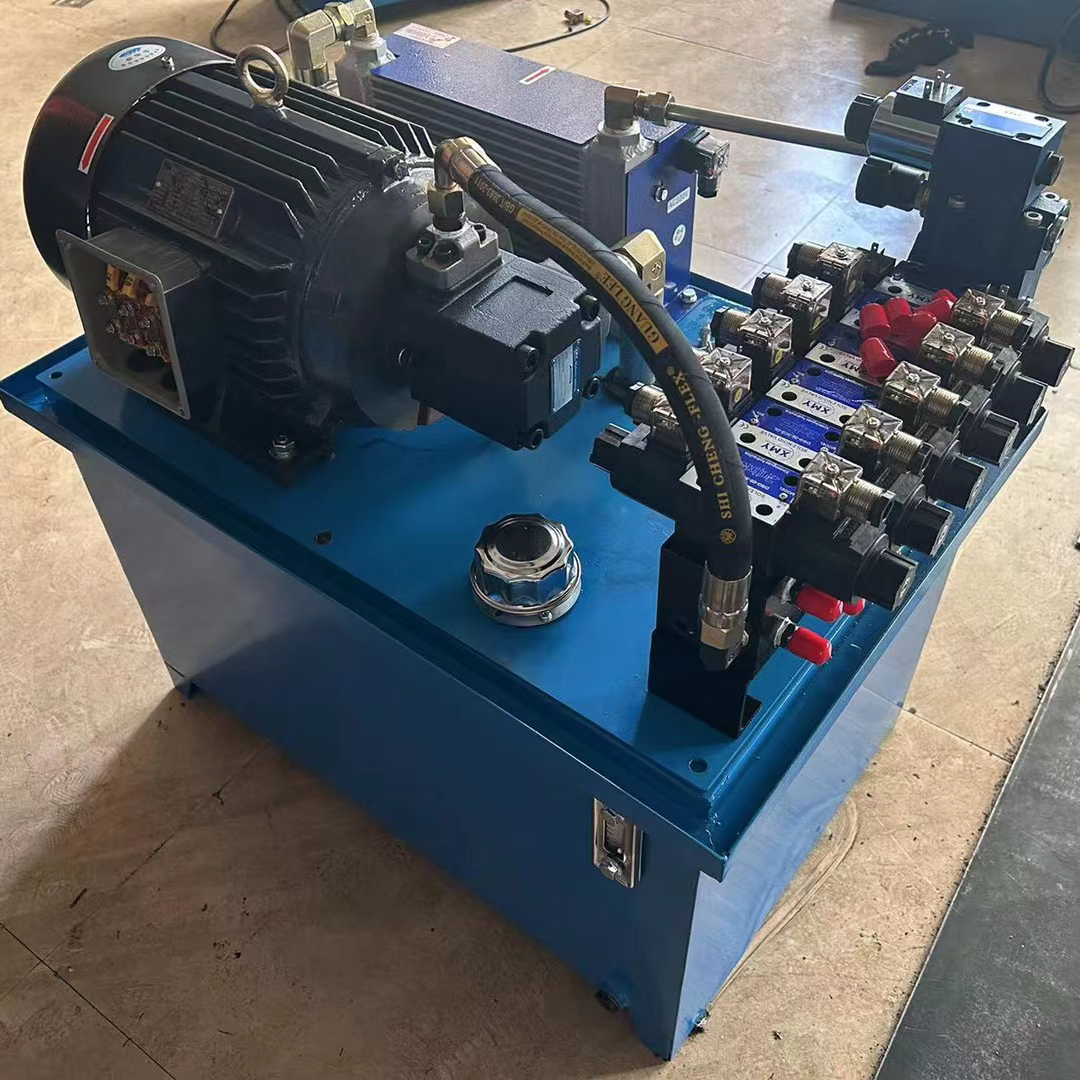
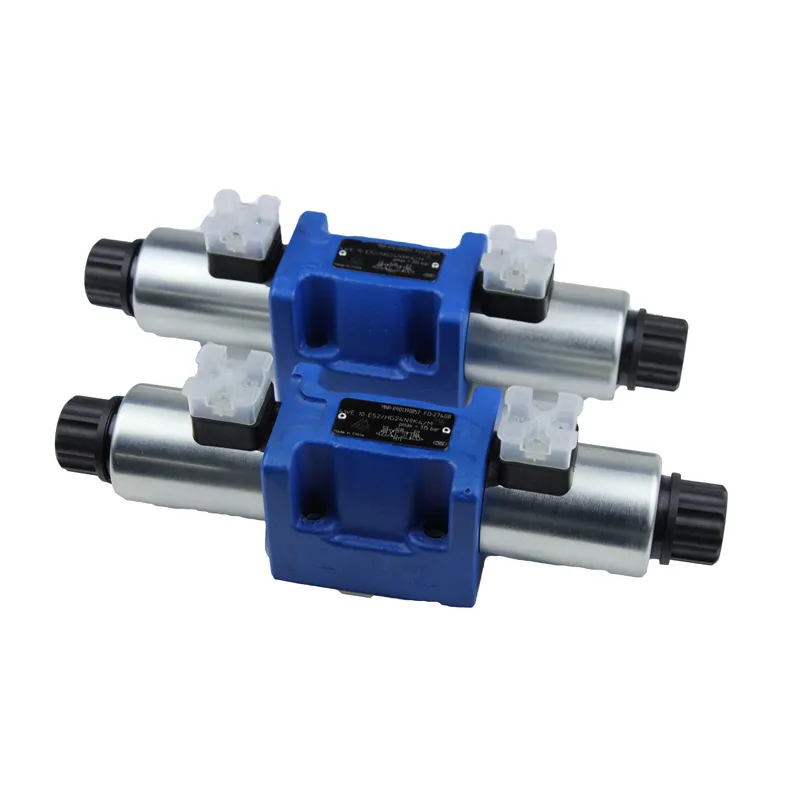
The hydraulic spool block is a crucial component in the hydraulic system, used to control flow, pressure, and direction of hydraulic components. The hydraulic spool block standard is vital in the hydraulic industry, outlining structure, size, material, performance, and test requirements. The author will elaborate on the significance of standardisation, the main content of the standard, and its implementation.

First, The significance of standardisation
The significance of standardisation is to ensure quality and performance, improve the reliability, safety, and operational efficiency of the hydraulic system, and promote industry development and technological progress. Standardisation can unify design, manufacture, use, and maintenance requirements, reduce system costs and maintenance difficulties, and enhance system reliability and safety. This process also supports the standardised development of the hydraulic industry.
Second, the main content
The main content of the hydraulic spool block standard includes structure, size, material, performance, test and inspection requirements. Specific content is as follows:
1, structure:
the structure of the hydraulic spool block should be in line with the control requirements of the hydraulic system, in the structural design should take into account the working conditions of the hydraulic system and performance requirements, the valve block internal piping and channel should be reasonably designed to ensure the normal operation of the hydraulic system.
2, size:
The hydraulic spool block’s size should match the hydraulic system’s requirements. When designing the size, consider the installation and layout needs of the hydraulic system. Ensure the valve block’s size aligns with the piping and components of the hydraulic system to guarantee normal operation.
3, materials:
The hydraulic spool block’s material should align with the hydraulic system’s requirements. When choosing materials, consider the working conditions and performance needs of the hydraulic system. The valve block’s material should have good corrosion resistance, wear resistance, and high-temperature resistance to ensure the hydraulic system operates normally.
4, performance:
The hydraulic spool block’s performance should align with the hydraulic system’s requirements. The performance test should consider the working conditions and performance needs of the hydraulic system. The valve block’s performance should meet flow, pressure, and direction control requirements to ensure the hydraulic system operates normally.
5, test:
the test of the hydraulic spool block should be in line with the requirements of the hydraulic system, in the test process should take into account the working conditions and performance requirements of the hydraulic system, the test of the valve block should include static test, dynamic test, sealing test and other aspects of the requirements to ensure the normal operation of the hydraulic system.
6, inspection:
The inspection of the hydraulic spool block should meet the requirements of the hydraulic system. During the inspection process, the working conditions and performance requirements of the hydraulic system should be taken into account. The inspection of the valve block should include tests for appearance, size, hardness, and chemical composition. These aspects are essential to ensure the normal operation of the hydraulic system.
Third, the implementation of hydraulic spool block standards
The implementation of hydraulic spool block standards depends mainly on the standard system in different countries and regions. It also relies on the degree of development of standardisation work in these areas. At present, the standard has been widely promoted and applied. The standardisation level is constantly improving, and design, manufacturing, use, and maintenance requirements have been unified. As a result, the reliability, safety, and operational efficiency of the hydraulic system have significantly improved.
Contact Zhuo Yi Control Technology for the latest production technology!