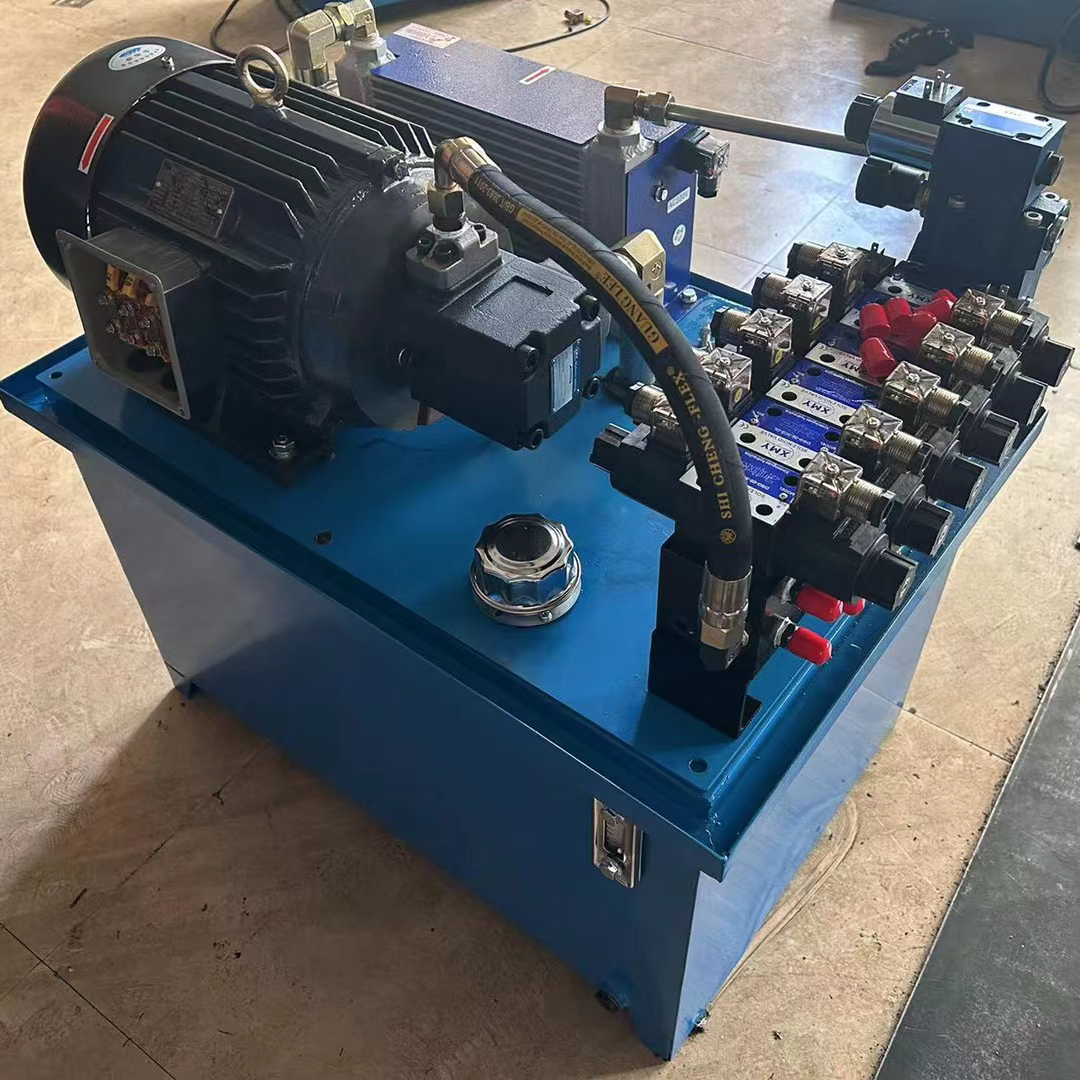
What is a servo-hydraulic power unit?
By cooperating with built-in or external sensors, servo valves or proportional valves, controllers, etc., it can constitute a hydraulic control system with high control accuracy and fast response speed. So that the output of the system, such as displacement, speed or force, etc., can automatically, quickly and accurately follow the changes in the input changes, and at the same time, the output power is greatly enlarged.
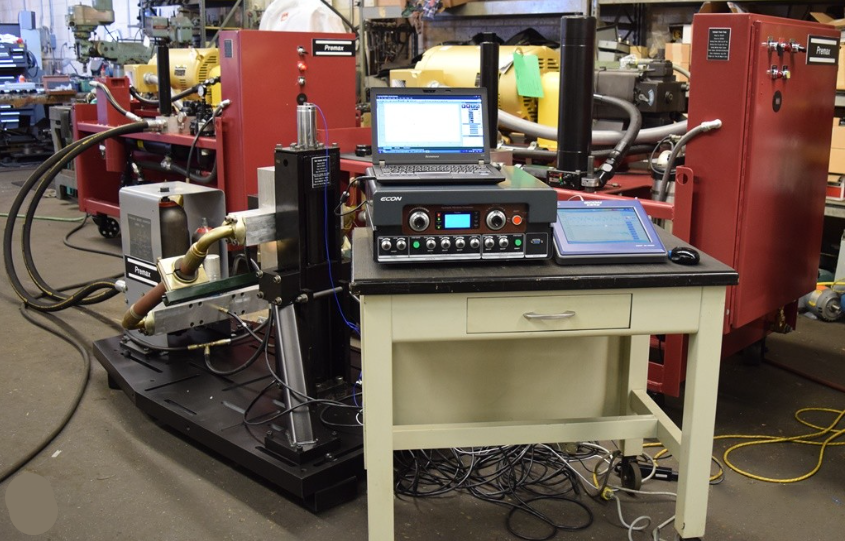
Principle of operation of servo-hydraulic power unit
Hydraulic servo systems work on the principle of fluid-dynamic feedback control, i.e., the use of feedback connections to obtain deviation signals, and then use the deviation signals to control the energy input to the system from hydraulic energy sources, so that the system changes in the direction of reducing the deviation, so that the actual output of the system is in line with the desired value.
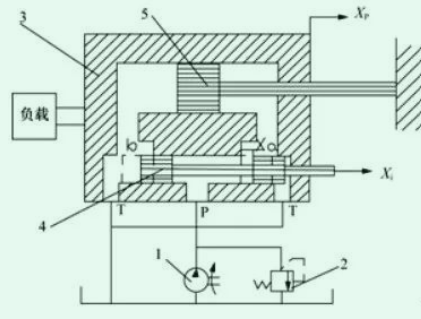
1 Hydraulic power unit, 2 Relief valve, 3 Cylinder, 4 Spool, 5 Piston
Schematic diagram of servo-hydraulic power unit
In the servo-hydraulic power unit, the form of control signals organic-hydraulic servo system, electro-hydraulic servo system and gas-hydraulic servo system.
Mechanical-hydraulic servo system in the system’s given, feedback and comparison links using mechanical components, commonly used in aircraft rudder manipulation systems, automotive steering devices and hydraulic profiling machine tools and engineering machinery. However, the friction, gap and inertia in the feedback mechanism will adversely affect the system accuracy.
Electro-hydraulic servo system error signal detection, correction and initial amplification using electrical and electronic components or computer, the formation of analogue servo system, digital servo system or digital analogue hybrid servo system.

The electro-hydraulic servo system offers high control accuracy, high response speed, flexible signal processing, and a wide range of applications. Engineers can configure it as a position, speed, or force servo system.
Advantages and applications of servo-hydraulic power unit
Servo-hydraulic power unit has the following advantages over ordinary hydraulic power unit:
1. The actuator of the hydraulic system moves fast and the phase change is fast. In terms of the flow-speed transfer function, most systems exhibit an oscillating phase with a fairly large intrinsic frequency. However, as the flow increases, engineers can adjust the parameters to extend the intrinsic frequency to match the intrinsic frequency of the electro-hydraulic servo valve. The intrinsic frequency of electro-hydraulic servo valves is generally above 100 HZ, so the actuator frequency response of the hydraulic system is very fast and easy to quickly start, brake and phase change. The intrinsic frequency is generally higher compared to the actuators of electromechanical systems.

2. Hydraulic actuators are much smaller in size and weight than electromechanical actuators of the same power rating. As the power rating increases, the volume and weight of a hydraulic system actuator (such as a valve, cylinder, or motor) increase much more slowly than those of an electromechanical actuator. This happens because, in the past, engineers increased the power rating primarily by expanding the fluid’s flow and pressure. Although the power mechanisms can increase in size and weight, engineers can reduce these factors by using high-strength and lightweight metal materials.
3. The actuator drive of the hydraulic system is stable and resistant to interference, especially at low gears. In contrast, the drive of the electromechanical system is weak in stability. It is also susceptible to the influence of various external deflections, such as electromagnetic waves.
4. The hydraulic system has a wide range of actuator speed regulation and high rated power gain.
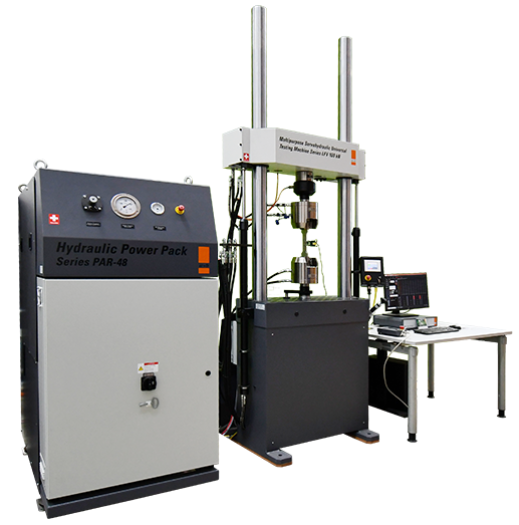
5. Energy saving. The servo-hydraulic power unit uses the latest generation of hydraulic servo energy-saving program. The system employs a double closed loop for pressure and flow. It supplies oil according to the actual needs for flow and pressure, overcoming the high energy consumption caused by the high-pressure overflow in traditional hydraulic systems. This approach reduces power loss while maintaining pressure, achieving substantial energy savings.
With the wide application of servo hydraulic power unit, servo hydraulic power unit has replaced the traditional hydraulic power unit in many fields. Servo-hydraulic power units find widespread use in various fields. They power logistics lifting equipment and metal forming machines. They also drive metallurgical equipment and hot and cold rolling mills. Additionally, they are used in cement rotary furnaces and glass manufacturing. They also serve rubber machinery and electric power systems.
Contact Zhuo Yi Control Technology for the latest production technology!