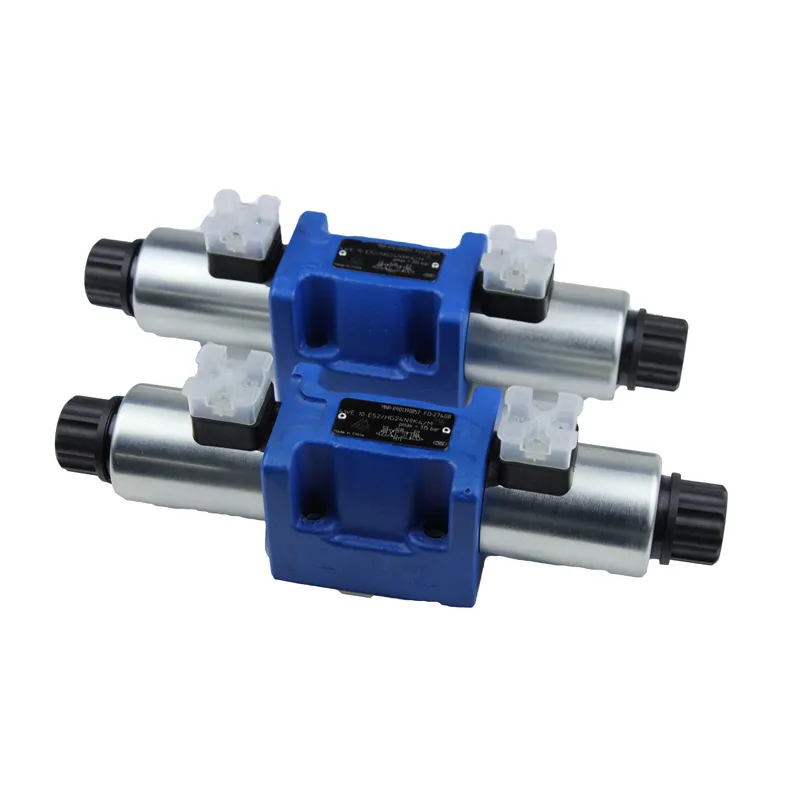
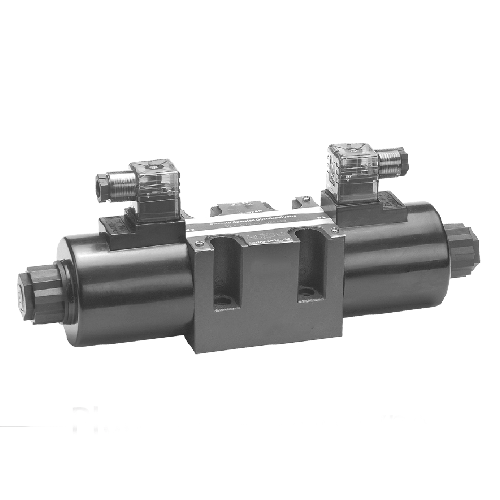
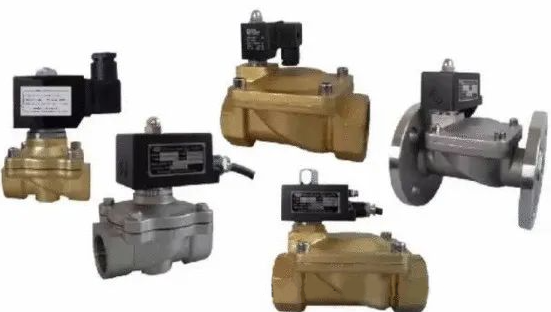
Hydraulic solenoid valves are industrial equipment with electromagnetic principle for control, used in industrial systems to adjust the direction of the medium, flow, speed and other parameters, to achieve the purpose of automatic control. For the characteristics of hydraulic solenoid valve, hydraulic solenoid valve should be how to select? How to maintain maintenance to extend the life of it?
Working Principle
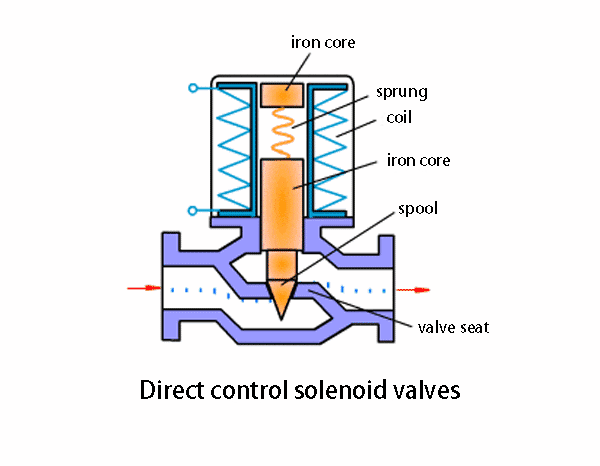
When the hydraulic solenoid valves are not powered on, the spring forces the spool to block the channel of the valve body, placing the hydraulic solenoid valves in the cut-off state. When we connect the coil to the power supply, it generates magnetic force. The valve spool overcomes the spring force and lifts upwards, opening the channel in the valve and placing the hydraulic solenoid valves in the on state.
Hydraulic solenoid valves classification
We divide hydraulic solenoid valves into three main categories based on their principle: direct-acting, step-by-step direct-acting, and pilot-operated.
Direct-acting solenoid valves:
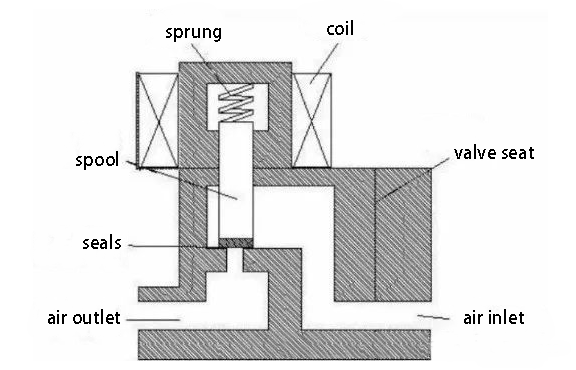
There are two types: normally closed type and normally open type. In the normally closed type, the valve is closed when the power is off. When we energize the coil, it produces electromagnetic force, which causes the moving iron core to overcome the spring force and be attracted to the static iron core. This action directly opens the valve and allows the medium to pass through. When we de-energize the coil, the electromagnetic force disappears, and the moving iron core resets under the spring force, directly closing the valve and preventing the medium from passing. Simple structure, reliable action, in zero differential pressure and micro-vacuum under normal operation. Normally open type is just the opposite.
Distribution of direct-acting solenoid valves:

This kind of valve adopts primary opening valve and secondary opening valve connected in one, the main valve and pilot valve step by step so that the electromagnetic force and differential pressure directly open the main valve port. When we energize the coil, it generates electromagnetic force, causing the movable iron core to be attracted to the static iron core. This action opens the pilot valve port, which is located in the main valve port. The movable iron core and the main valve core connect together.
At this time, the pressure in the main valve cavity unloads through the pilot valve port. The pressure difference and the simultaneous action of the electromagnetic force cause the main valve spool to move upward, opening the main valve for media flow. When we disconnect the coil and the electromagnetic force disappears, the moving iron core closes the pilot valve hole under its own weight and the spring force. At this time, the medium flows into the main valve spool cavity through the balance hole, causing the pressure in the upper cavity to rise. Under the action of the spring reset and the increased pressure, the main valve closes, stopping the media flow. This design features a reasonable structure, reliable action, and dependable operation at zero differential pressure.
Indirect pilot operated solenoid valves:

This solenoid valve uses the pilot valve and the main spool linked together to form a combination of channels. In the normally closed type, the valve remains closed when we do not apply power. When we energize the coil, the magnetic force generated by the attraction between the moving iron core and the static iron core opens the pilot valve port. The media flows to the outlet, reducing the pressure in the main spool’s upper cavity. This pressure becomes lower than the pressure on the inlet side, creating a differential pressure that overcomes the spring resistance. As a result, the main spool moves upward to open the main valve port and allows the media to flow. When we power off the coil, the magnetic force disappears, and the moving iron core resets under the action of the spring force to close the pilot port.
At this time, the medium flows from the balance hole into the main spool’s upper cavity, increasing the pressure. Under the action of the spring force, the main spool moves downward and closes the main valve port. Normally open type principle is just the opposite.
Hydraulic solenoid valve selection
Economics
There are many hydraulic solenoid valves that can be used universally, and the most economical product should be used in the selection process.
Safety
General hydraulic solenoid valves are not waterproof. If conditions do not allow, please choose a waterproof type. The factory can customize it for you. The maximum nominal pressure of the hydraulic solenoid valve must exceed the maximum pressure in the pipeline. Otherwise, the service life may shorten or other unexpected issues may arise.
Corrosive liquids should be selected all stainless steel type, strong corrosive fluids should be selected plastic king (SLF) solenoid valve. Explosive environments must use the corresponding explosion-proof products.
Dependability
We divide hydraulic solenoid valves into normally closed and normally open types. We generally select the normally closed type, where the valve remains closed when powered off and opens when powered on. However, when the opening time is very long and the closing time is very short, we should choose the normally open type.
Life test, the factory generally belongs to the type test project, exactly China has no professional standards for solenoid valves, so choose the solenoid valve manufacturers carefully. Action time is very short when the frequency is high, generally select the direct-acting large calibre selection of fast series.
Suitability
The fluid in the pipeline must be the same as the selected solenoid valve series models in the calibration of the medium. Fluid temperature must be less than the choice of solenoid valve calibration temperature. Hydraulic solenoid valves allow fluid viscosity is generally below 20CST, greater than 20CST should be specified.
When the highest differential pressure in the pipeline is less than 0.04 MPa, we should use direct-acting or step-by-step direct-acting types, such as the ZS, 2W, ZQDF, and ZCM series. When the minimum working differential pressure exceeds 0.04 MPa, we can select a pilot-operated (differential pressure) solenoid valve. The maximum working differential pressure should be less than the maximum calibration pressure of the solenoid valve.
General hydraulic solenoid valves are one-way work, so pay attention to whether there is a counter-pressure difference, such as the installation of check valves.
We should install a filter in front of the solenoid valve to ensure fluid cleanliness. Generally, solenoid valves require the media to have good cleanliness. Note the flow aperture and receiver caliber. We generally use solenoid valves to control only two switches. If conditions allow, we should install a bypass pipe for easier maintenance. For water hammer phenomena, we should customize the solenoid valve’s opening and closing time adjustment.
We should pay attention to how the ambient temperature impacts the solenoid valve’s power supply current and power consumption. We need to select the power supply according to the output capacity. The power supply voltage generally allows for a tolerance of ±10%. It is important to note that the VA value is higher when we start with AC.
Hydraulic solenoid valves maintenance and repair
(1) General hydraulic solenoid valves do not offer waterproof protection. If you need a waterproof option, please select a waterproof type. The factory can customize it for you. If the pressure difference is too large and far exceeds the design value of the solenoid valve, it cannot work properly. In this case, we should select a solenoid valve designed to handle higher pressure.
(2) We generally install hydraulic solenoid valves horizontally. If we install them vertically, it may cause the valve to close poorly, leading to internal leakage. Therefore, we should avoid side installation whenever possible.
(3) When we use the valve for a long time, if the seal between the piston and the valve seat is not good, we can resurface the piston sealing surface and then grind it with the valve seat.
(4) When working, pay attention to the pressure gauge before and after the valve. Ensure that the working pressure does not exceed the rated pressure. Additionally, keep the working differential pressure within the rated differential pressure. When the working pressure exceeds the rated pressure or the working differential pressure exceeds the rated differential pressure, we should stop the solenoid valve. We should also close the front and rear manual valves to prevent the solenoid valve from exploding or leaking.
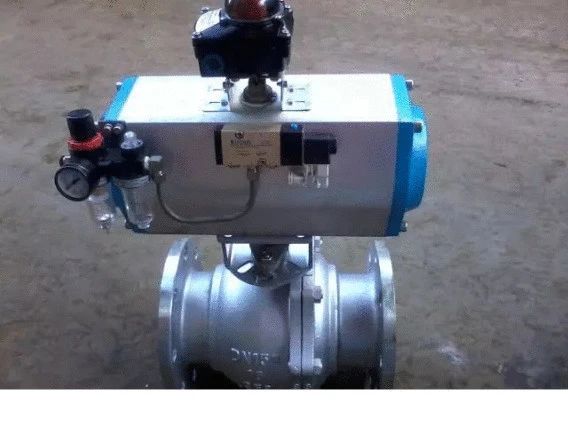
(5) solenoid valve installation, must be fed into the medium test action several times to confirm normal before being put into formal use.
(6) The inside and outside of the valve and the suction surface of the armature should be cleaned regularly. Be careful not to damage the sealing surface.
(7) When we do not use hydraulic solenoid valves for a long time, we should manually close the valve. Before re-activating, we should remove any condensate from the steam solenoid valve and clean it. We should also perform several trial operations to ensure it switches on and off normally before putting it back into use.
Contact Zhuo Yi Control Technology for the latest production technology!