Aerospace engineering is a specialized branch of engineering that focuses on the design, development, testing, and production of aircraft, spacecraft, and related systems and equipment. It encompasses a wide range of disciplines including aerodynamics, avionics, propulsion systems, materials science, and structural analysis. Aerospace engineers play a crucial role in advancing technology for air and space travel, defense applications, satellite communication, and exploration beyond Earth’s atmosphere.
Importance of Aerospace Engineering
Aerospace engineering is fundamental to the advancement of aviation and space exploration. It drives innovation in aircraft design, efficiency, safety, and performance, as well as in the development of spacecraft and satellite systems for scientific research, communication, weather forecasting, and national security.

Components of Aerospace Engineering
- Aircraft Design and Manufacturing: Aerospace engineers design and manufacture commercial and military aircraft, including passenger jets, cargo planes, helicopters, and unmanned aerial vehicles (UAVs). They ensure aircraft meet stringent safety, performance, and regulatory standards.
- Spacecraft and Satellite Systems: Engineers develop spacecraft and satellite systems for various missions, including Earth observation, planetary exploration, satellite communication, and space station operations. They integrate advanced technologies for propulsion, navigation, communication, and scientific instrumentation.
- Propulsion Systems: Aerospace engineers design and optimize propulsion systems such as jet engines, turbofans, rockets, and electric propulsion for aircraft and spacecraft. These systems provide thrust for propulsion and maneuvering in air and space environments.
- Avionics and Control Systems: Avionics engineers develop electronics, navigation systems, autopilot systems, and control algorithms that enable precise control, navigation, and communication for aircraft and spacecraft.
Application of Hydraulic Manifolds in Aerospace Engineering
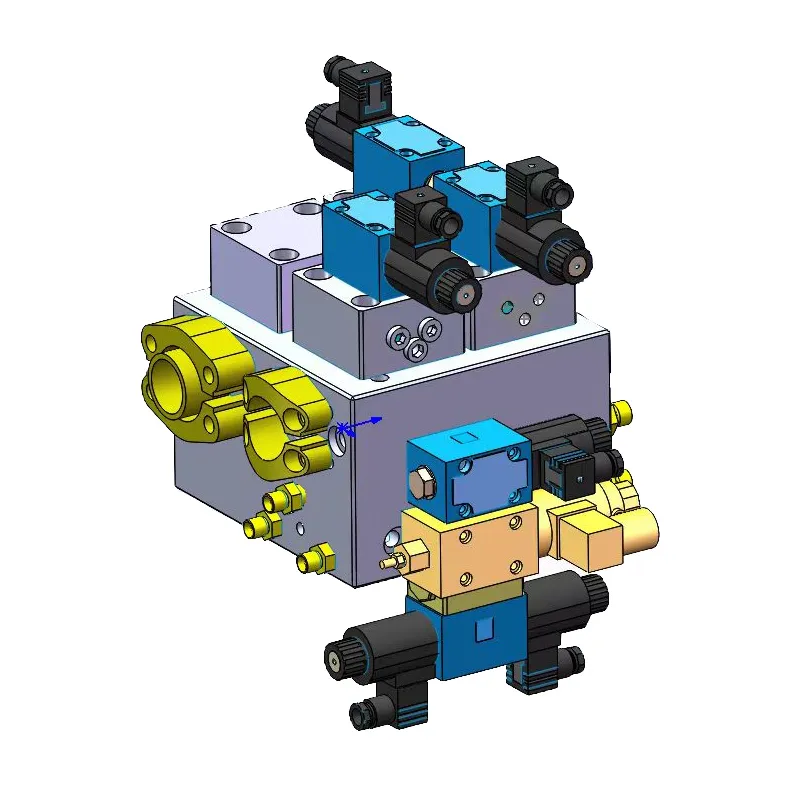
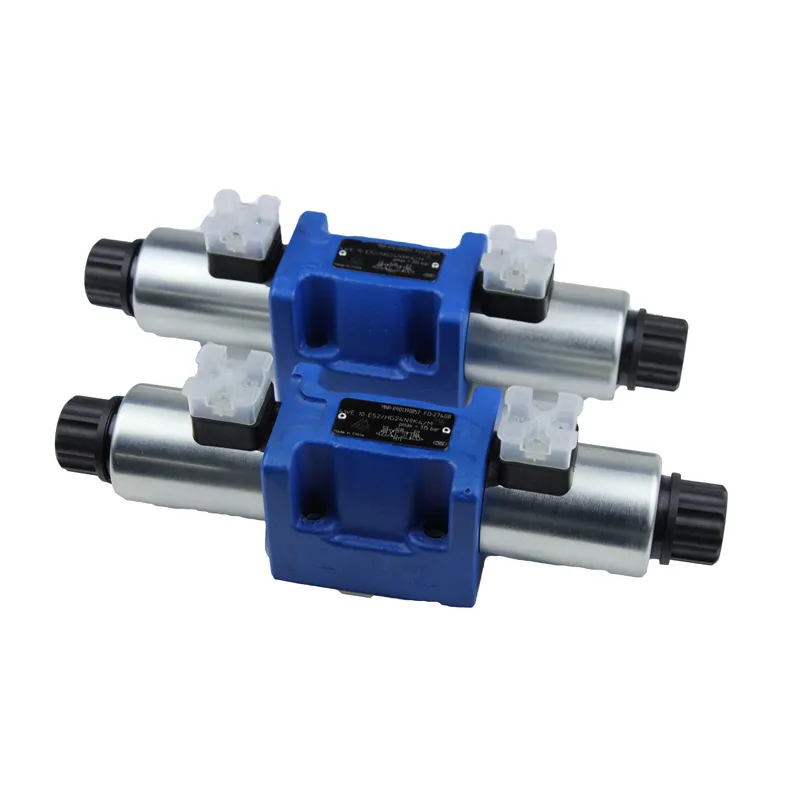
Hydraulic manifolds play a critical role in aerospace applications by facilitating the operation of hydraulic systems that power essential aircraft and spacecraft functions. A hydraulic manifold is a centralized component that distributes hydraulic fluid to various actuators, motors, and hydraulic machinery.
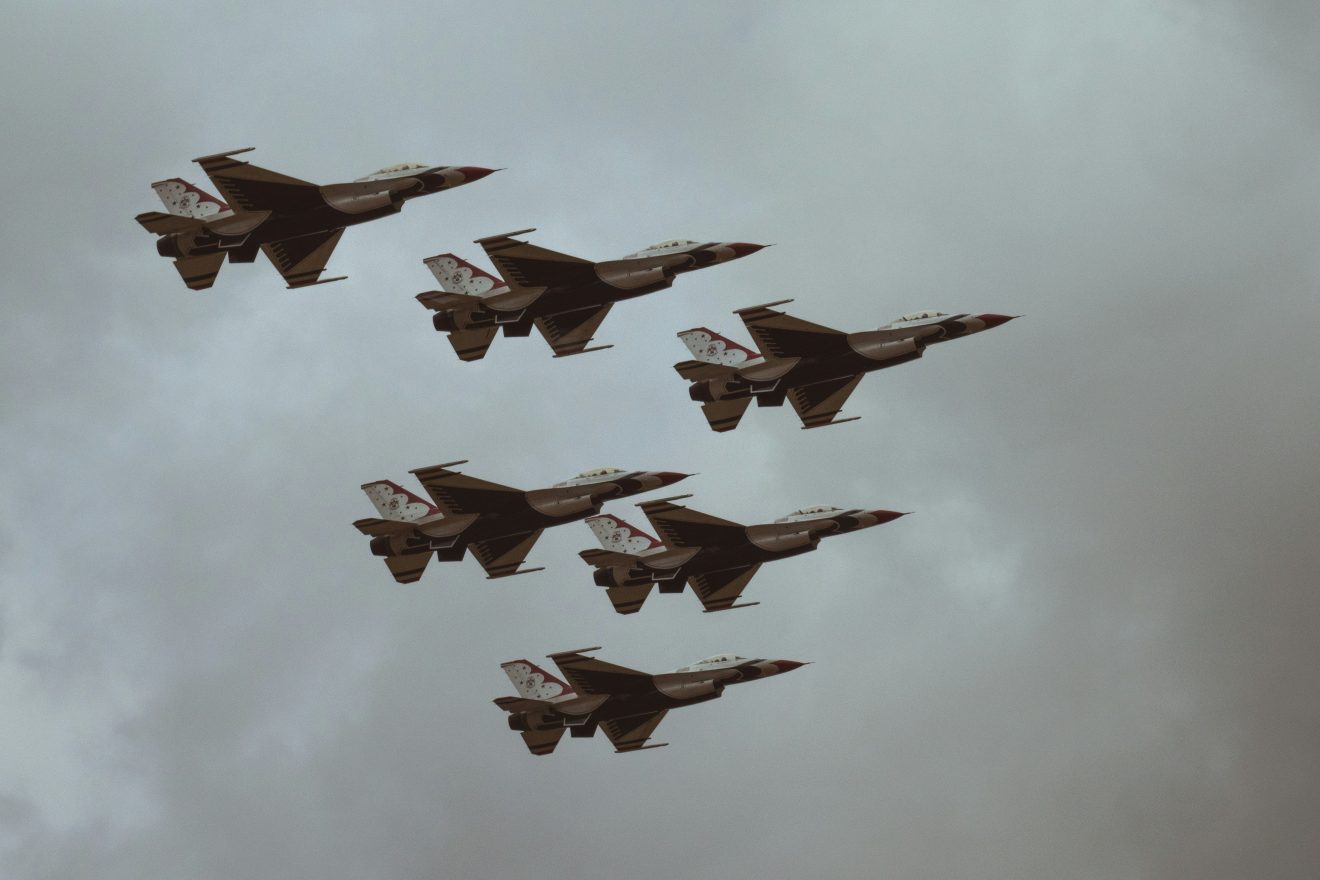
Functions of Hydraulic Manifolds in Aerospace Applications
- Flight Control Systems: Hydraulic manifolds regulate hydraulic fluid flow to flight control actuators, including ailerons, elevators, rudders, and flaps. They enable precise control of aircraft movements, stability, and maneuverability during flight.
- Landing Gear Systems: Manifolds control hydraulic systems in landing gear mechanisms, allowing for the extension and retraction of landing gear during takeoff, flight, and landing operations. They ensure smooth and reliable deployment of landing gear for safe aircraft landings.
- Cargo Handling and Door Mechanisms: Hydraulic manifolds manage hydraulic systems in cargo handling equipment, including cargo doors, ramps, and lifts on cargo aircraft. They facilitate efficient loading, unloading, and securing of cargo during aircraft operations.
- Thrust Reversal Systems: In jet engines, hydraulic manifolds play a crucial role. They control thrust reversal mechanisms that redirect engine thrust. This redirection assists in braking during aircraft landing, enhancing the safety and efficiency of the landing process. They enhance runway safety and reduce landing distances for commercial and military aircraft.
Example of Hydraulic Manifolds in Aerospace Engineering
Hydraulic Systems in Commercial Aircraft: Commercial airliners use hydraulic manifolds for operating a wide range of systems. These include flight controls, landing gear, wing flaps, and brakes. Each system relies on precise hydraulic control to ensure safe and efficient operation of the aircraft. The manifolds ensure precise control of hydraulic actuators. They also ensure reliable operation of hydraulic systems critical for safe and efficient commercial air travel.
Conclusion
Aerospace engineering plays a pivotal role in advancing technology for aviation and space exploration. Hydraulic manifolds are essential components in aerospace engineering. They enable precise control and operation of hydraulic systems. These systems power critical functions in both aircraft and spacecraft. Their application in flight controls, landing gear, cargo handling, and thrust reversal systems demonstrates the importance of hydraulic manifolds. They play a critical role in ensuring the safety, efficiency, and reliability of aerospace vehicles. These vehicles operate in diverse and demanding environments.

Contact Zhuo Yi Control Technology for the latest production technology!