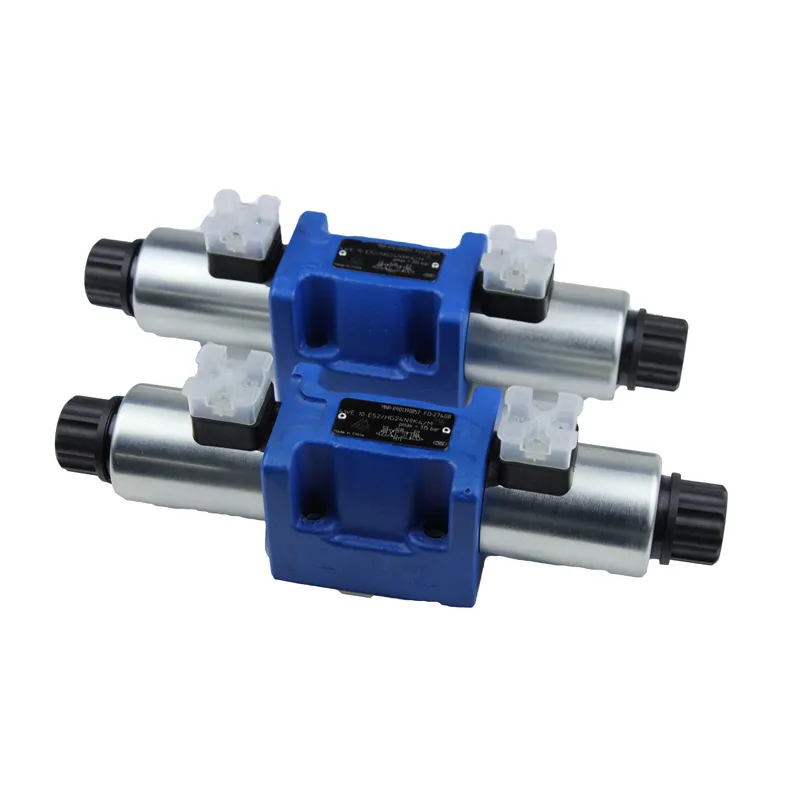
Cartridge hydraulic relief valves are a generic term for another class of hydraulic control valves. Its basic core element is a liquid-controlled, single control port mounted in the oil circuit in the main stage of the two-way liquid resistance unit (so also known as two-way cartridge hydraulic relief valve). One or several insert elements can be used for different combinations. Additionally, these elements, along with the corresponding pilot control stages, can form various control function units for cartridge hydraulic relief valves. Then, the next small make up for you to introduce the cartridge hydraulic relief valve working principle and the role of cartridge valve.
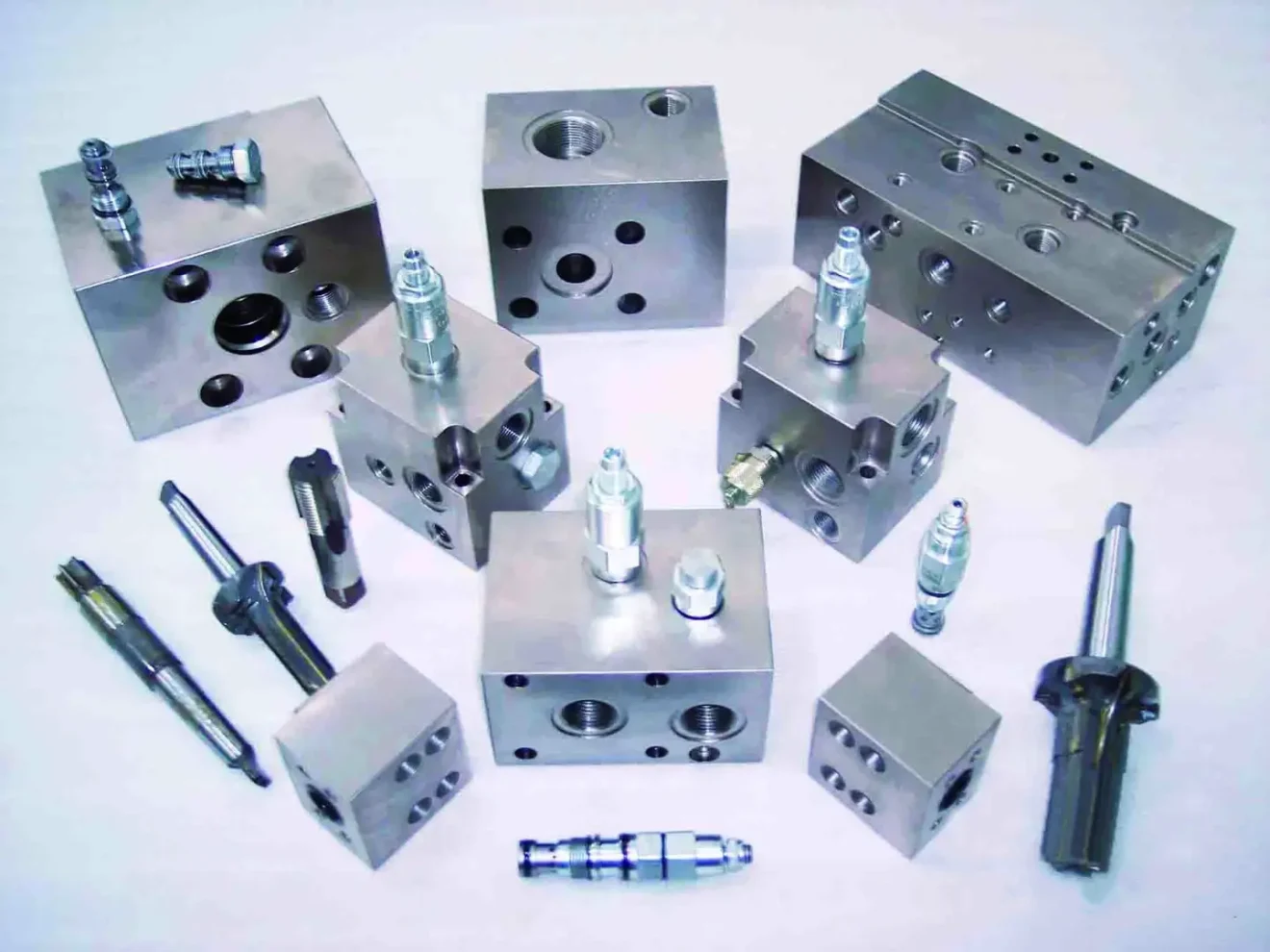
1、Cartridge Valve Working Principle
The importance of universality in the design of cartridge valves and their orifices lies in mass production. In the case of a cartridge valve of a certain size, for example, the dimensions of the orifice are uniform for the purpose of mass production. In addition, valves with different functions can be used in the same specification of the valve cavity. For example, this includes check valves, cone valves, flow control valves, throttle valves, and two-position solenoid valves. If valves have the same specifications but different functions, they cannot be used in different valve bodies. As a result, the processing cost of the valve block will inevitably increase. As a result, the advantages of cartridge valves will no longer exist.
Cartridge valves are used in fluid control and have a wide range of applications. Components include flow control valves and sequence valves. Solenoid directional valves, check valves, relief valves, and pressure reducing valves also use cartridge valves. Their versatility in designing fluid power circuits and extending mechanical utility is significant. This versatility fully demonstrates the importance of cartridge valves to system designers and applicators. Due to the universality of its assembly process, cartridge valves can achieve a perfect design configuration. This is also made possible by the standardization of valve hole specifications and the interchangeability of the components. This versatility also makes cartridge valves widely used in various hydraulic machinery.
2、cartridge valve characteristics
The internal resistance is small, making it suitable for high-flow work. Most of the valve ports use conical sealing, which minimizes leakage. This design is also suitable for emulsions and other low-viscosity working mediums. The valve features a simple structure, reliable operation, and a high degree of standardization. For large flow rates and high pressure in more complex hydraulic systems, it can significantly reduce the size and weight.
3、The role of cartridge valves
1, cut-off valve: cut-off valve, also known as closed-circuit valve, its role is to connect or cut off the medium in the pipeline. Cut-off valves include gate valves, globe valves, plug valves, ball valves, butterfly valves and diaphragms.
2, check valve: check valve, also known as one-way valve or check valve, its role is to prevent the pipeline medium backflow. Pump suction off the bottom valve also belongs to the check valve category.
3, safety valves: the role of the safety valve class is to prevent the pipeline or device in the media pressure exceeds the prescribed value, so as to achieve the purpose of safety protection!
4, control valves: control valves, including control valves, throttle valves and pressure reducing valves, its role is to regulate the medium pressure, flow and other parameters
5, shunt valve: shunt valve category includes a variety of distribution valves and traps, etc., its role is to distribute, separate or mix the medium in the pipeline.
Contact Zhuo Yi Control Technology for the latest production technology!