To clearly understand the precautions for using a check valve, you first need to understand its working principle. Start by learning about the working principle of the hydraulic check valve.
1、 the definition of the check valve: check valve is to rely on the control of fluid pressure, can make the check valve reverse flow valve.
2、 the working principle of the hydraulic check valve:
①When you do not connect the control oil line to the pressure oil, the hydraulic check valve functions like an ordinary check valve. It only allows the pressure oil to flow from the inlet port to the outlet port. The flow cannot reverse direction. The pressure oil flows only from the inlet port to the outlet port and cannot flow in the reverse direction.
② When the control oil line receives control pressure input, the pressure oil moves the piston top rod to the right. The top rod then opens the check valve, connecting the inlet and outlet ports. If the outlet port is larger than the inlet port, the oil can flow in the reverse direction.
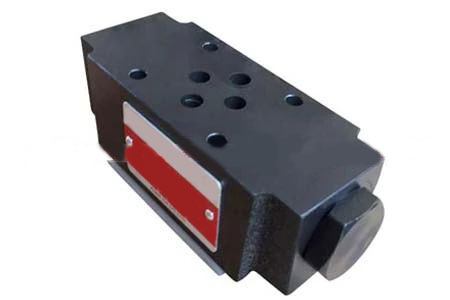
3、Precautions for the use of hydraulic check valve:
① You must ensure that the check valve has enough control pressure. Additionally, you must make sure that the control pressure does not decrease.
② Should pay attention to the control pressure to meet the requirements of the reverse opening.
③ If the control of the hydraulic check valve leads to the main system, you need to analyze how changes in the main system pressure affect the pressure of the control oil circuit. This analysis helps ensure proper valve operation. This analysis helps avoid misoperation of the check valve.
④ According to the position of the hydraulic check valve in the hydraulic system, consider the size of the liquid flow resistance (back pressure) after the reverse oil outlet chamber. Use this information to select the appropriate structure of the pilot-operated check valve, whether simple or compound. Additionally, choose the method of draining, either internal or external.
⑤ For the internal leakage type hydraulic check valve, the pilot-operated part will lose control when the reverse oil outlet pressure exceeds a certain value. This loss of control occurs under those conditions. Therefore, you generally use the internal leakage type check valve in specific situations. These situations include when the reverse oil outlet cavity has no back pressure. They also include cases where the cavity has only a small amount of back pressure.
⑥ You can use an external drain type hydraulic check valve for situations where the reverse outlet chamber back pressure is higher. This setup helps reduce the minimum control pressure and saves control power. If the system adopts internal discharge type, the plunger cylinder will drop intermittently to emit vibration and noise.
Contact Zhuo Yi Control Technology for the latest production technology!