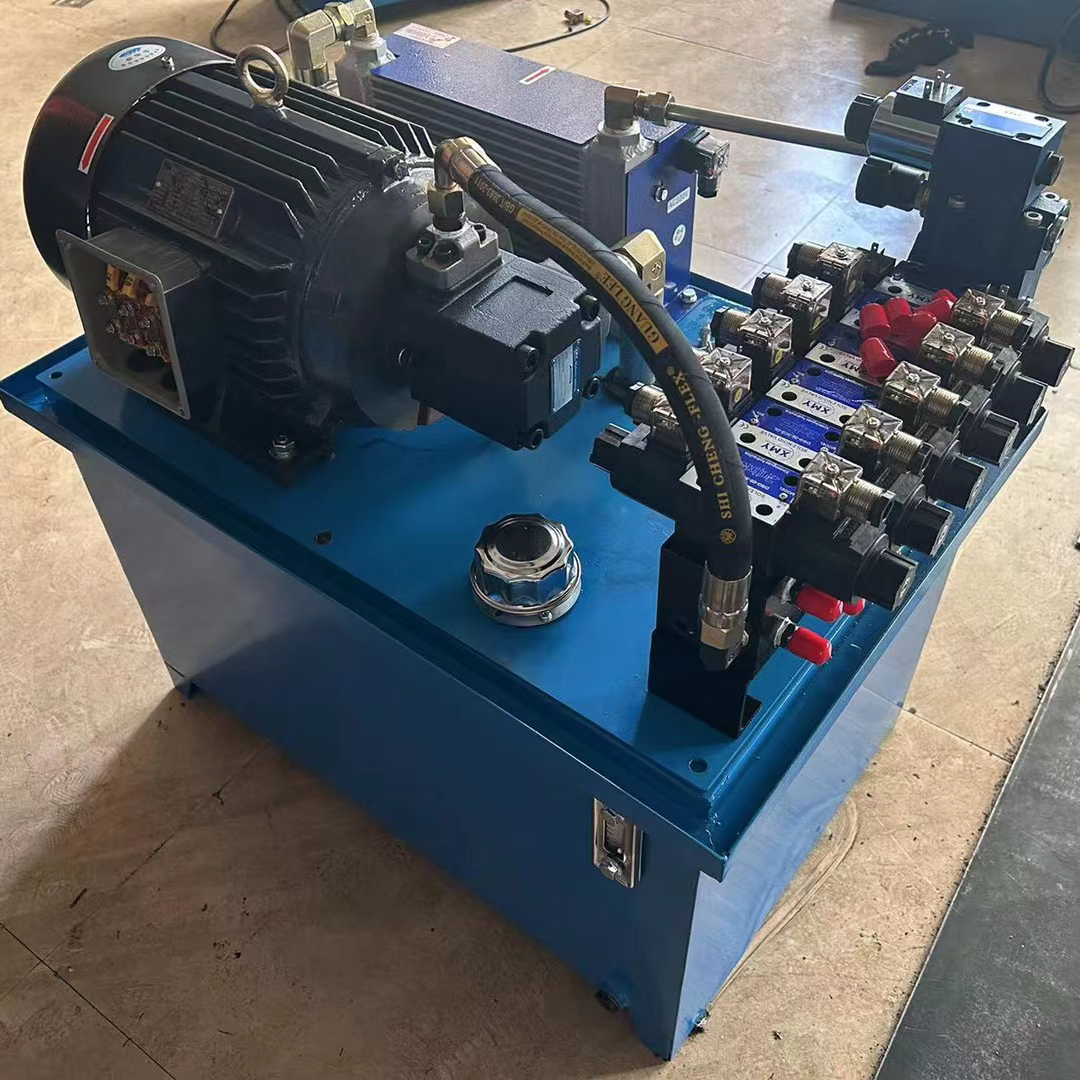
Hydraulic solenoid valve manifold block is through the coil power or not to control the internal action of the spool, and then control the hydraulic oil circuit on and off hydraulic products. It mainly consists of a coil, a solenoid, and an action spool.
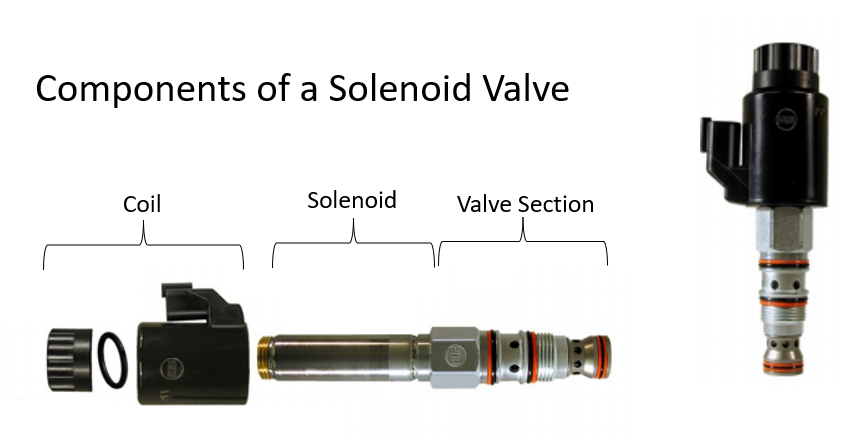
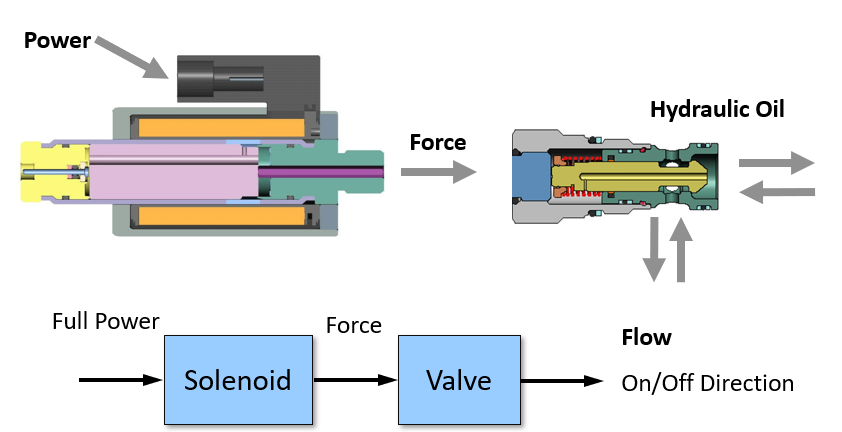
The solenoid coil is energized to create an electromagnetic force. This force drives the solenoid. As a result, the spool moves accordingly. The limitations of the electromagnetic force restrict its range. Therefore, theoretically, there will be an upper limit to the force that can push the spool. This upper limit will affect both the maximum flow rate of the hydraulic valve and the maximum pressure.
The reason for this is that each hydraulic solenoid valve manifold block has a power limit. This power limit does not always align with the nominal maximum flow rate or maximum pressure.
Here we will introduce you to the concept of the “power domain”, where the maximum power of a fixed solenoid is a constant value. The solenoid force will also have a maximum value. In most cases, this solenoid force is not able to ensure that the solenoid valve operates at both maximum pressure and maximum flow.
The figure below shows a SUN solenoid directional valve DWDF-*A*. If the flow direction is from port 2 to port 1, the valve has a slanted power domain. This means that the valve can only maintain normal operation within the power domain. Note: When the liquid flow direction is different, the power domain is not the same. Additionally, whether someone sets the valve to be normally closed or normally open will also cause the power domain to be different.

So, next time you choose a hydraulic solenoid valve manifold block, you must pay attention to the power domain of that solenoid valve. It is essential to check the power domain to ensure compatibility and optimal performance. If it is a three-position four-way solenoid directional valve, its neutral function will also cause the power domain to differ. The variations in the neutral function can lead to different power domains in the system. The following figure shows the power domain curve of each different spool of SUN three-position four-way solenoid directional valve DNCA.

Contact Zhuo Yi Control Technology for the latest production technology!