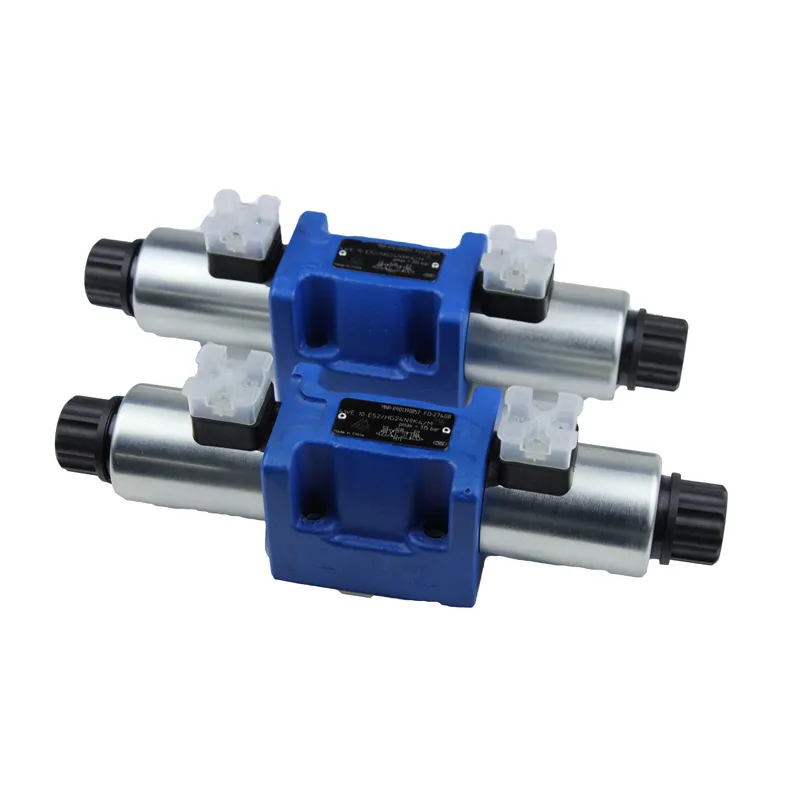
Industrial automation refers to the use of control systems, machinery, and information technologies to automate processes in manufacturing and other industrial settings. It aims to improve efficiency, productivity, quality, and safety while reducing labor costs and human intervention. Industrial automation integrates various technologies such as robotics, sensors, actuators, PLCs (Programmable Logic Controllers), SCADA (Supervisory Control and Data Acquisition), and advanced software for monitoring and controlling industrial processes.
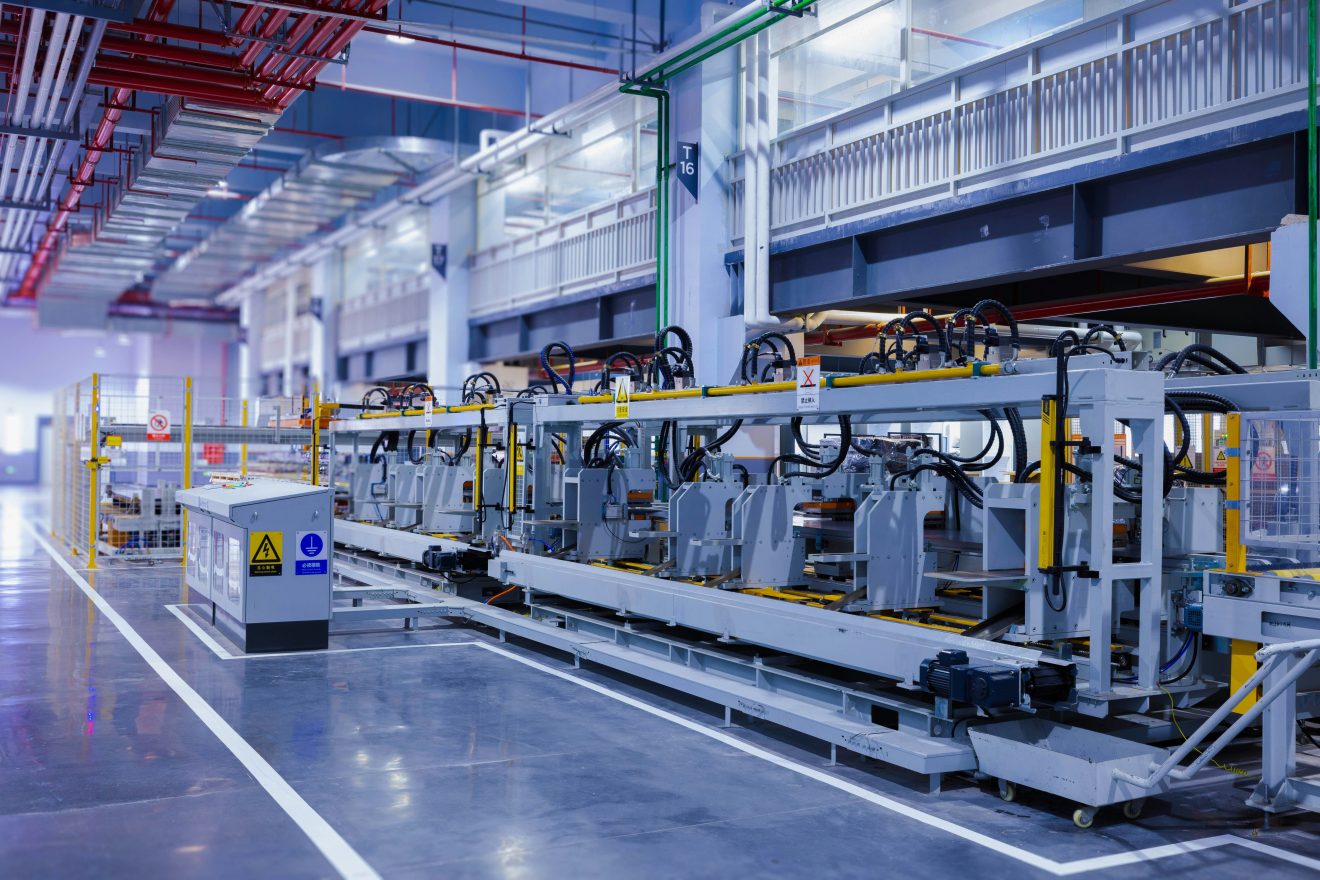
Importance of Industrial Automation
Industrial automation plays a crucial role in modern manufacturing and production environments by streamlining operations, increasing output consistency, enhancing product quality, and enabling flexible production capabilities. It allows industries to respond rapidly to market demands, reduce downtime, and improve overall operational efficiency.
Components of Industrial Automation
- Robotic Systems: Industrial robots perform tasks such as welding, assembly, packaging, and material handling with precision and speed. They operate autonomously or in collaboration with human workers to optimize production processes.
- PLCs and Control Systems: Programmable Logic Controllers (PLCs) and advanced control systems manage and monitor industrial equipment and processes. They execute programmed logic to control machinery, collect data, and facilitate real-time decision-making.
- Sensors and Actuators: Sensors detect changes in physical variables such as temperature, pressure, position, and proximity. Actuators convert electrical signals into mechanical motion to control valves, motors, and other devices in response to sensor inputs.
- SCADA and HMI Systems: SCADA systems provide centralized monitoring and control of industrial processes across multiple sites or facilities. Human Machine Interface (HMI) software allows operators to interact with and manage industrial equipment and systems.
Application of Hydraulic Manifolds in Industrial Automation
Hydraulic manifolds are critical components in industrial automation, facilitating the control and operation of hydraulic systems that power essential machinery and equipment in manufacturing and industrial processes. A hydraulic manifold is a centralized block that distributes hydraulic fluid to various actuators, motors, and hydraulic components.
Functions of Hydraulic Manifolds in Industrial Automation
- Hydraulic Presses: Hydraulic manifolds regulate hydraulic fluid flow to hydraulic presses used for forming, stamping, and molding operations in manufacturing. They ensure precise control over force, speed, and pressure applied to workpieces.
- Injection Molding Machines: Manifolds control hydraulic systems in injection molding machines, facilitating the injection and ejection of molten plastic into molds. They optimize cycle times, improve product consistency, and reduce material waste in plastics manufacturing.
- Material Handling Equipment: Hydraulic manifolds manage hydraulic systems in material handling equipment such as lift trucks, conveyor systems, and automated guided vehicles (AGVs). They enable efficient movement, positioning, and lifting of materials within manufacturing facilities.
- Machine Tools: In CNC (Computer Numerical Control) machine tools, hydraulic manifolds regulate hydraulic systems for spindle control, tool changers, and coolant systems. They enhance machining precision, productivity, and reliability in metalworking and machining operations.
Example of Hydraulic Manifolds in Industrial Automation
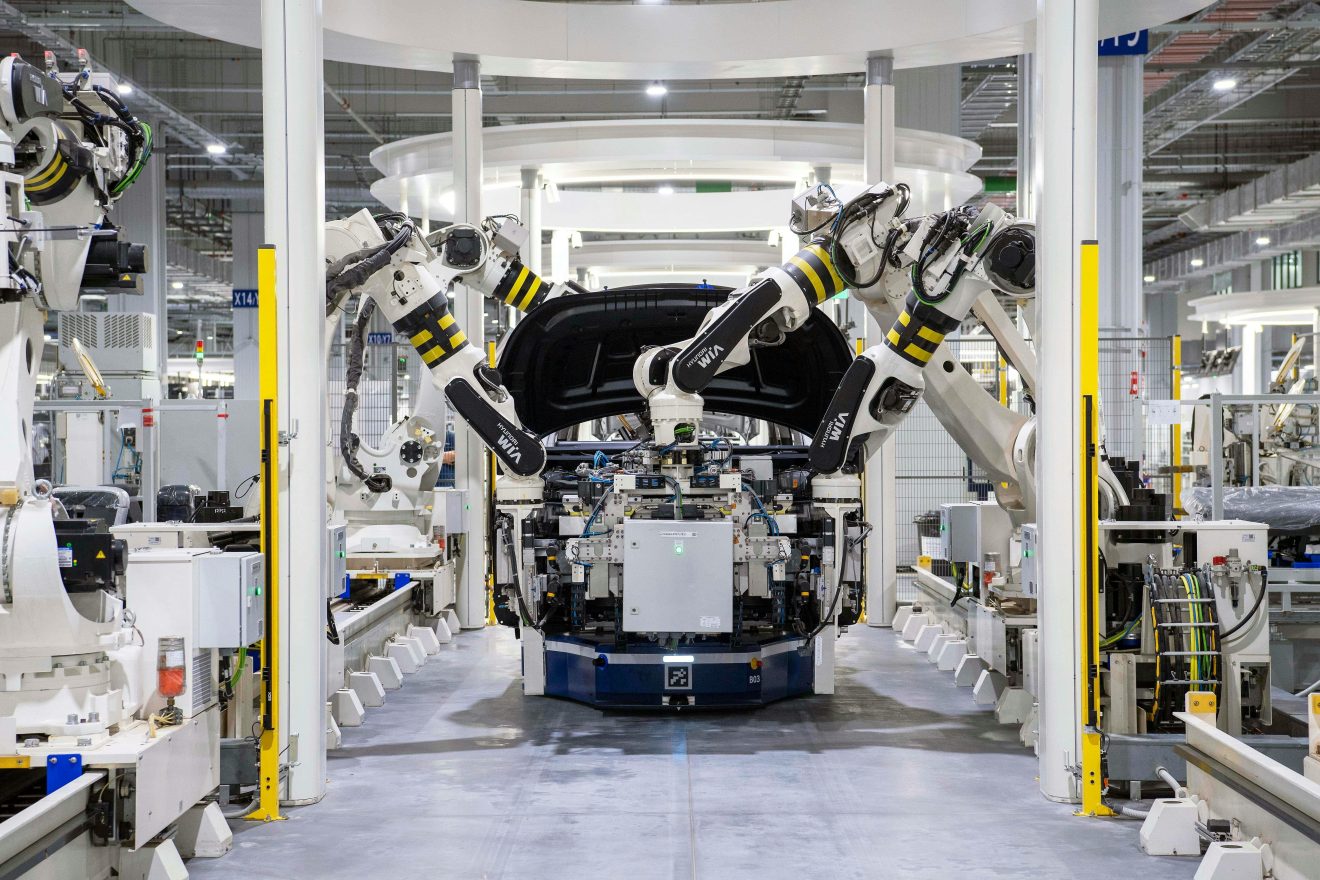
Automated Assembly Lines: Automated assembly lines in automotive manufacturing use hydraulic manifolds to control hydraulic systems in robots, presses, conveyors, and welding equipment. The manifolds ensure synchronized operation and precise control of assembly processes, resulting in efficient production of vehicles and components.
Conclusion
Industrial automation revolutionizes manufacturing and industrial processes by integrating advanced technologies like robotics, PLCs, and hydraulic systems. Hydraulic manifolds are essential components in industrial automation, enabling precise control and efficient operation of hydraulic machinery and equipment. Their application in hydraulic presses, injection molding machines, material handling systems, and CNC machine tools illustrates their critical role in enhancing productivity, quality, and operational flexibility in diverse industrial environments.
Contact Zhuo Yi Control Technology for the latest production technology!