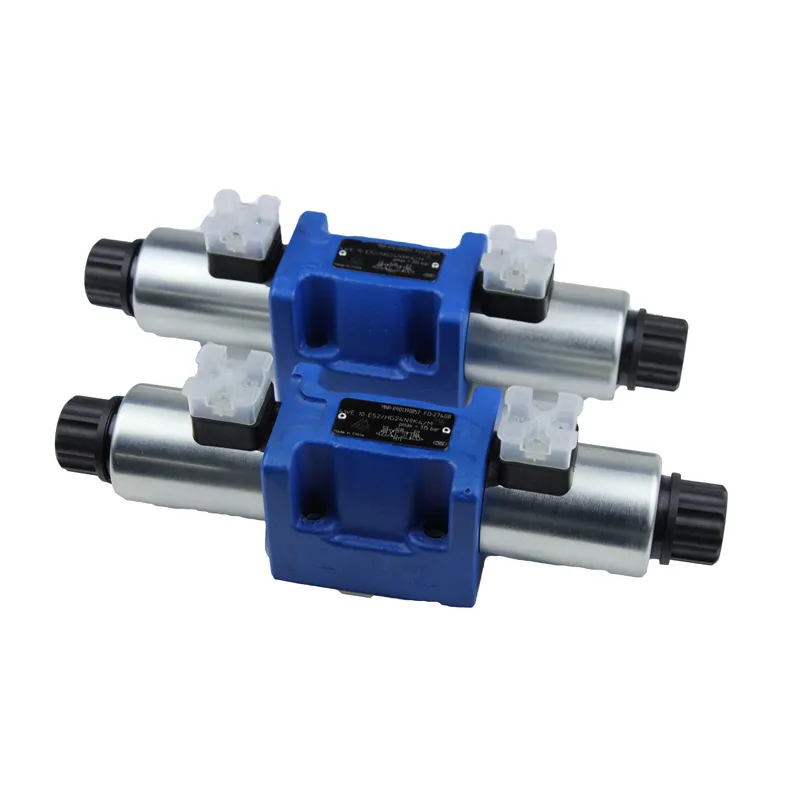
A hydraulic safety blocking valve is a common safety accessory. There are two types of hydraulic safety blocking valves most commonly used: lever-type and spring-type. They use the action of a lever with a weight or spring elasticity to hold down the medium in the vessel.

You should note the following points when installing and using hydraulic safety blocking valves in daily production:
1、You should connect the safety valve directly to the vessel and install it in the highest position of the vessel. If the safety valve has a short pipe connection with the container, the inner diameter of the short pipe must not be less than the inlet diameter of the valve. This minimizes resistance and ensures that the valve can quickly discharge and relieve pressure.
In principle, you should not install any valves between the hydraulic safety blocking valve and the container. If you install other valves and close them, they will cause the safety valve to lose its effectiveness and become “deaf ears.”
2、If the medium in the vessel is flammable, highly toxic, or viscous, you should add a hydraulic safety blocking valve to facilitate replacing and cleaning the valve. However, two points must be done:
(1) The structure of the shut-off valve cannot prevent the normal action of the hydraulic safety blocking valve. Additionally, the diameter of the shut-off valve must not be smaller than the diameter of the safety blocking valve.
(2) Ensure that the shut-off valve is in the fully open position during operation. Add seals or locks to prevent others from closing the shut-off valve. Install the hydraulic safety blocking valve, especially the lever safety valve, vertically. This maintains the concentricity of the valve stem, spool, and seat, which promotes a good seal between the spool and seat.
3、If the discharge pipe (also called the drain pipe) of the hydraulic safety blocking valve accumulates condensate or rainwater, it will become prone to corrosion. Therefore, keep the discharge pipe smooth and promptly remove any accumulated liquid to ensure proper operation.
According to the regulations, it is necessary to add safety blocking valves after inspection. This is to prevent the weight from being moved or the adjusting screws from being unscrewed. Moving the weight or adjusting the screws can change the opening pressure of the valve. If the valve does not act during overpressure, it may lead to an explosion. Conversely, if the valve acts at normal working pressure, it can affect production.
Therefore, it is necessary to frequently check whether the seal is intact and whether the weight or adjustment screws have been moved. Due to dirt adhering to the valve spool and corrosion grooves on the valve seat, the spool and seat may become misaligned. Additionally, external temperatures and other influences can reduce the elasticity of the spring. As a result, leakage may occur.
You should address leakage by replacing or overhauling the valve in a timely manner. You should carry out periodic inspections according to the provisions, generally at least once a year.
Contact Zhuo Yi Control Technology for the latest production technology!