
A solenoid operated hydraulic valve controls the flow and direction of hydraulic fluid using an electrically activated solenoid.
Various solenoid operated hydraulic valve working principle:
1、 check valve, hydraulic oil can only be from the A port in, B port out, and vice versa, it will not work!

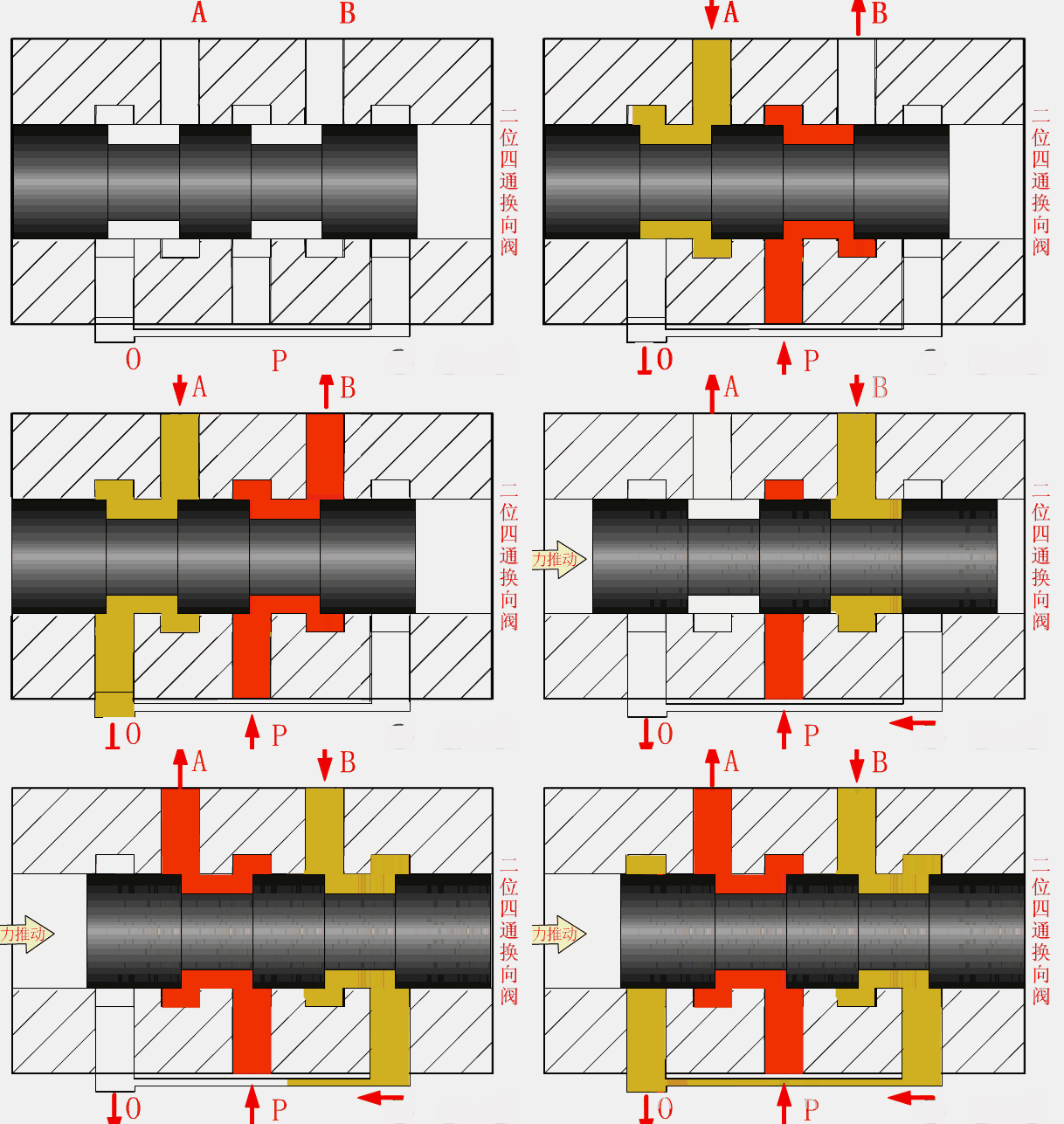
2、 two-position four-way directional valve, the spool by changing different positions to change the valve port connection relationship.

3、 Manual directional valves, the movement of the spool is completed by external force pushing the push rod.
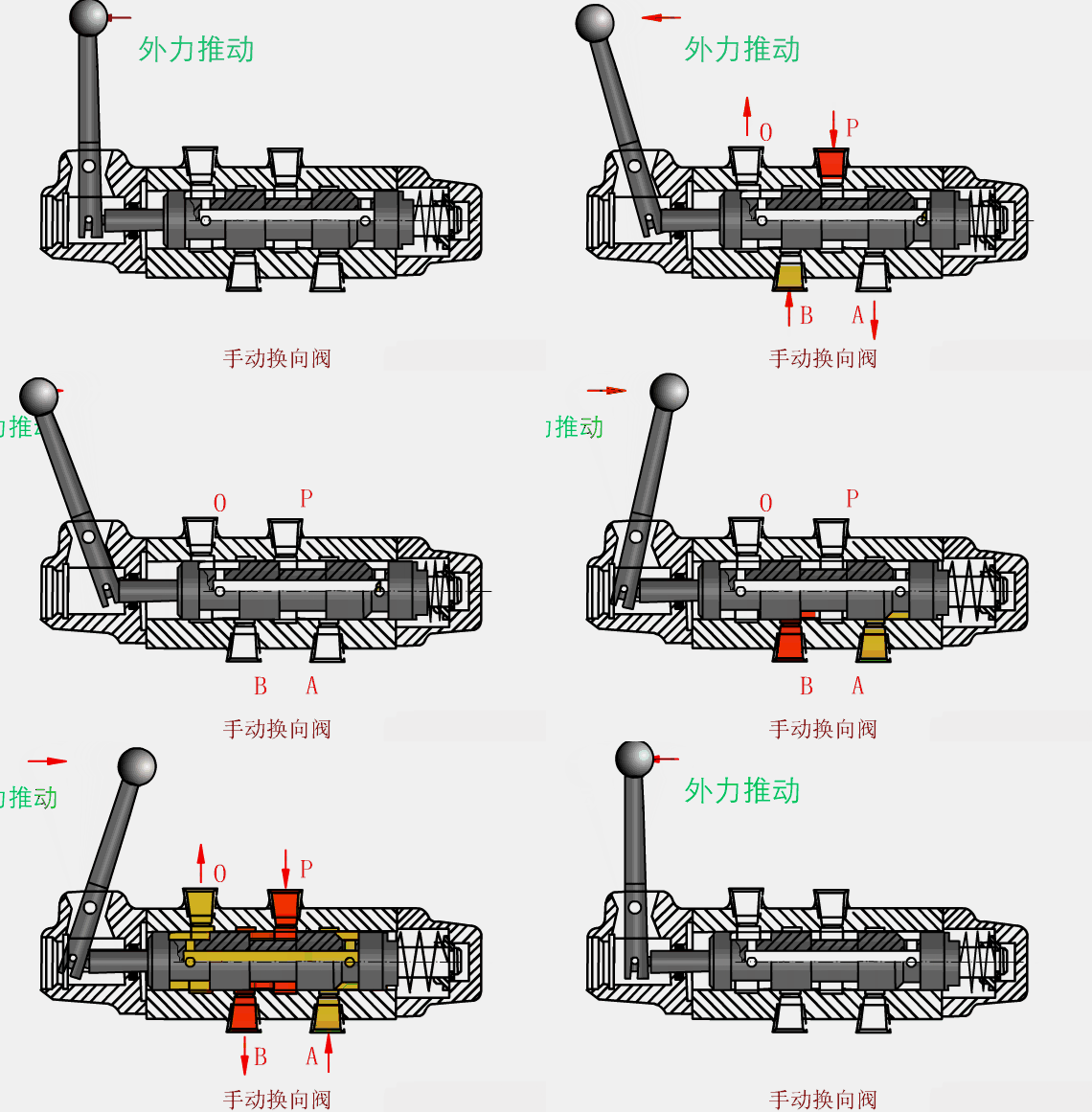
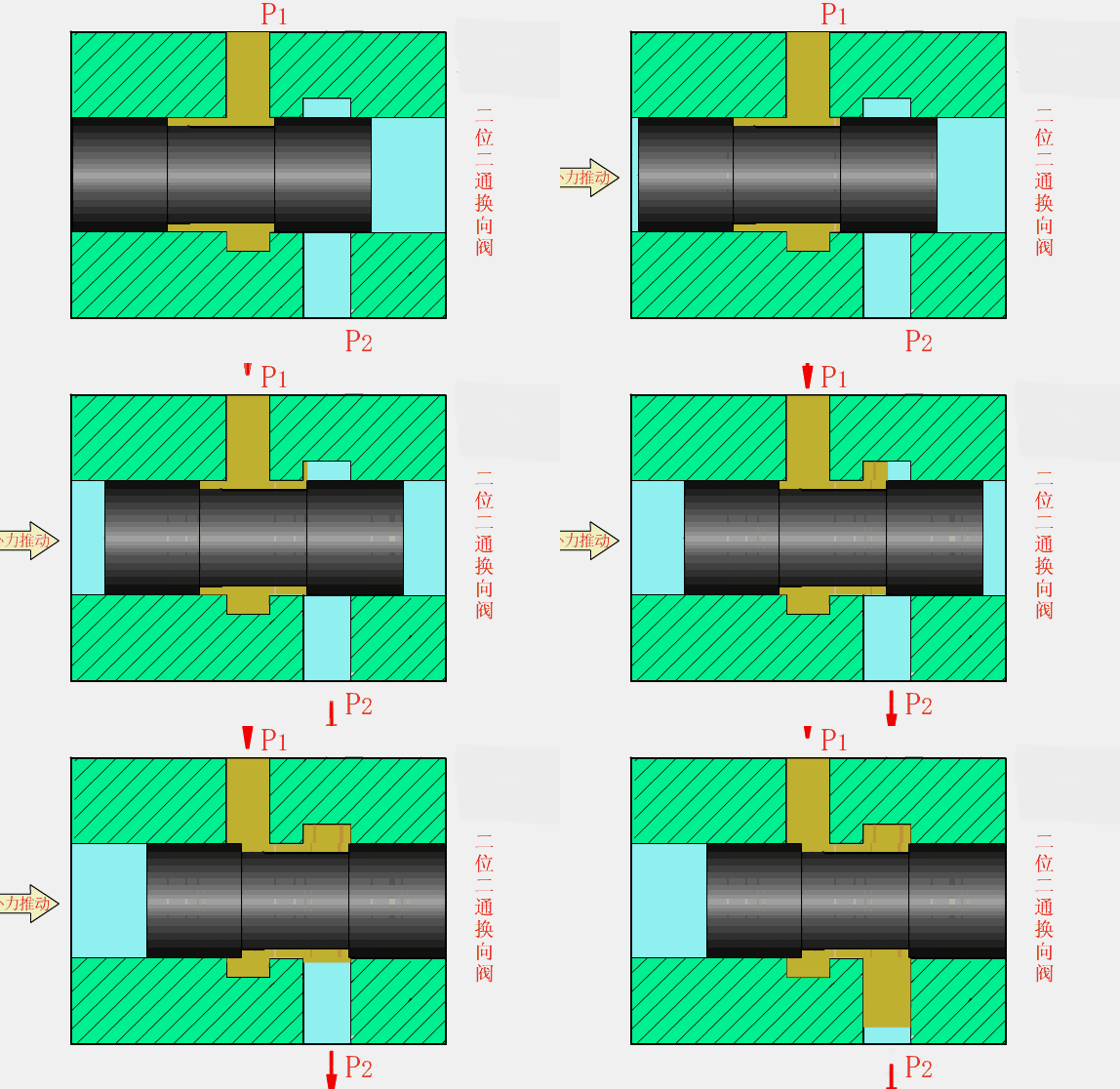
4、 two-position two-way directional valve, and ball valve function is similar.
5、 two-position four-way directional valve
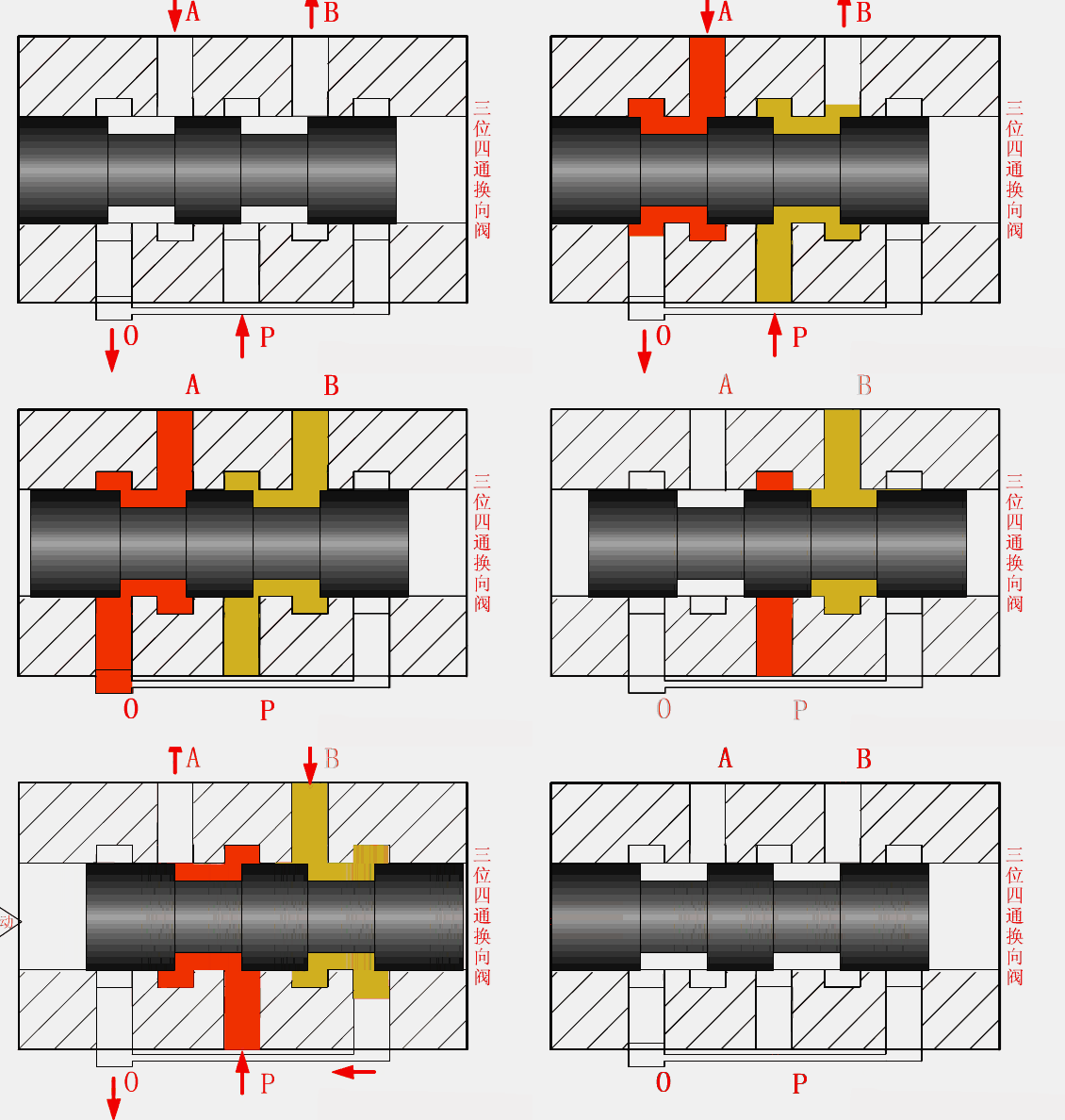
6、Three-position four-way directional valve
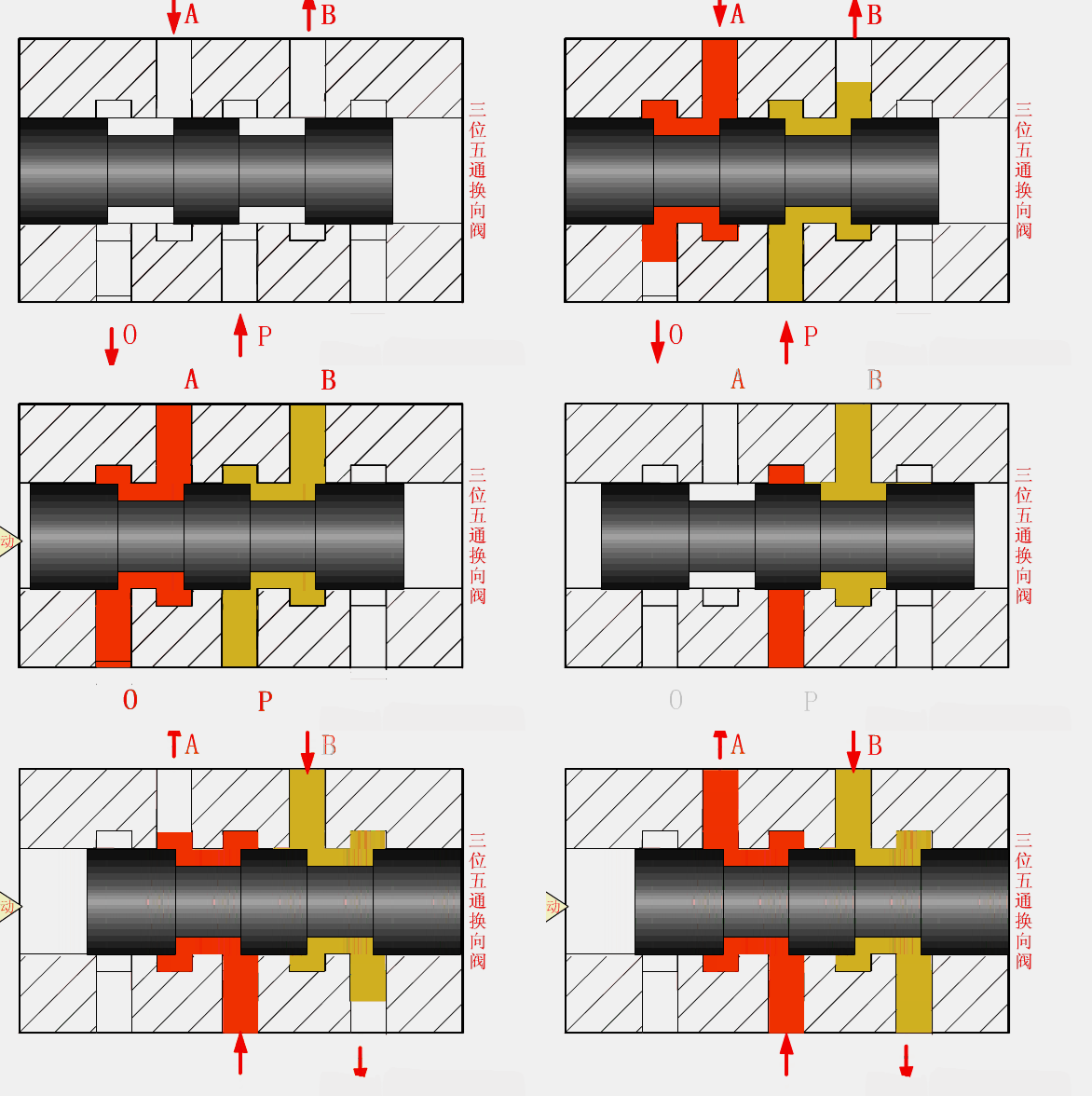
7、 Three-position five-way directional valve
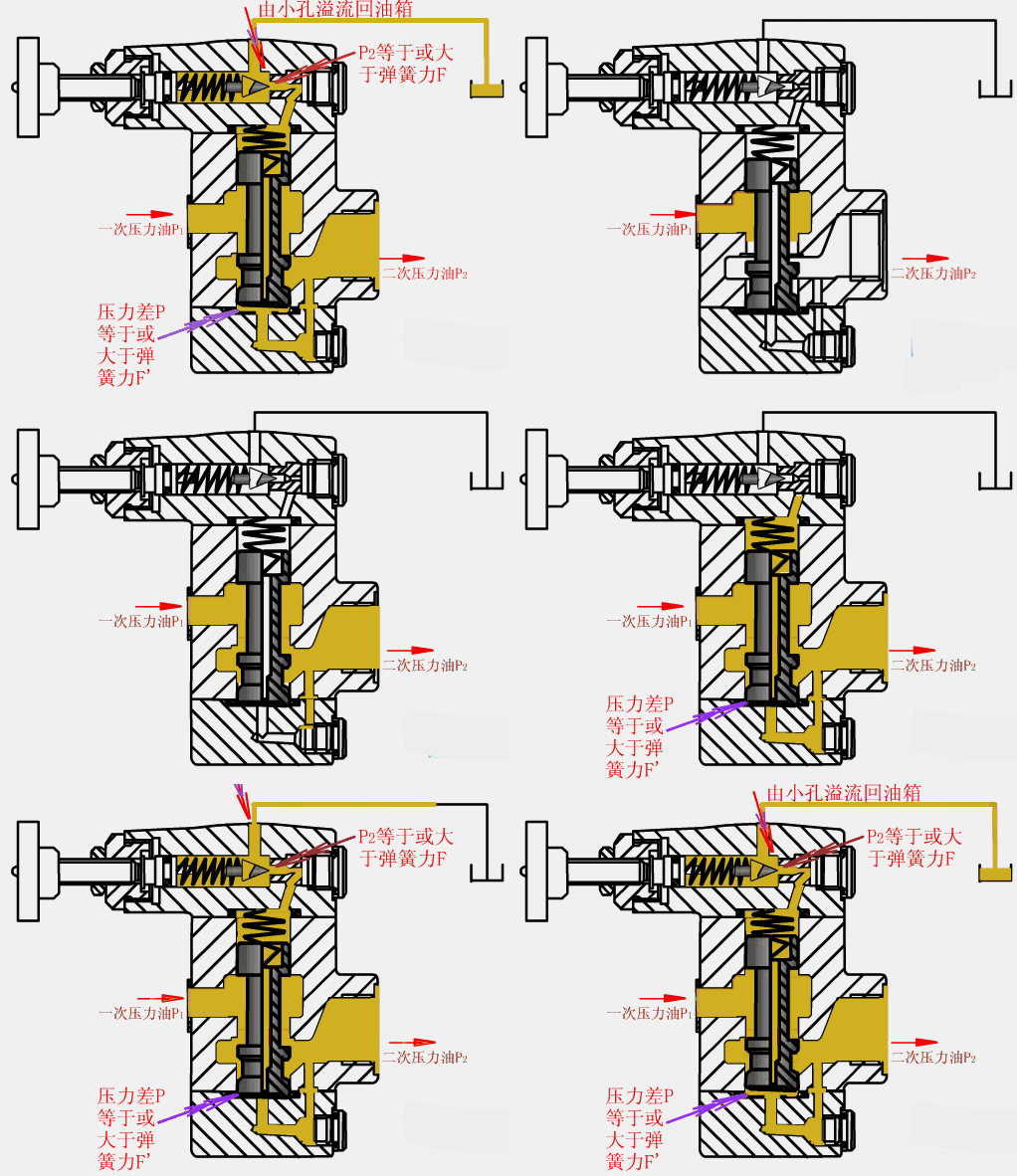
8、 Pressure reducing valve
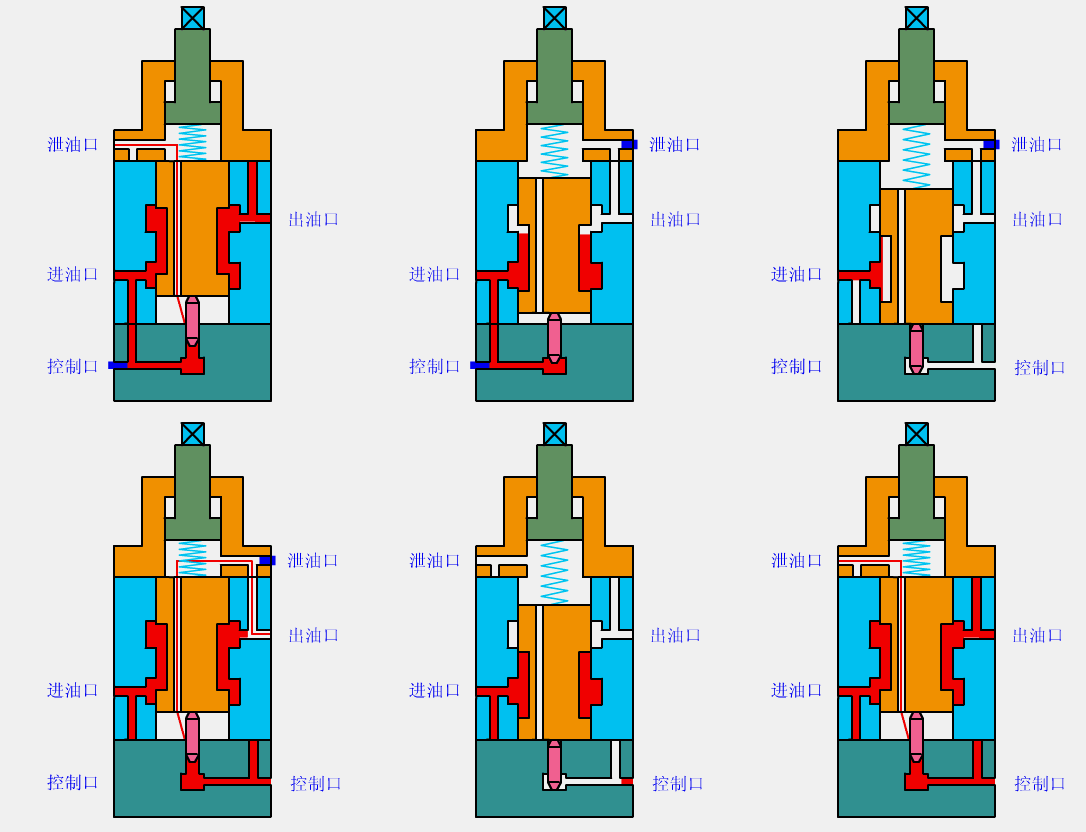
9、 Sequence Valve
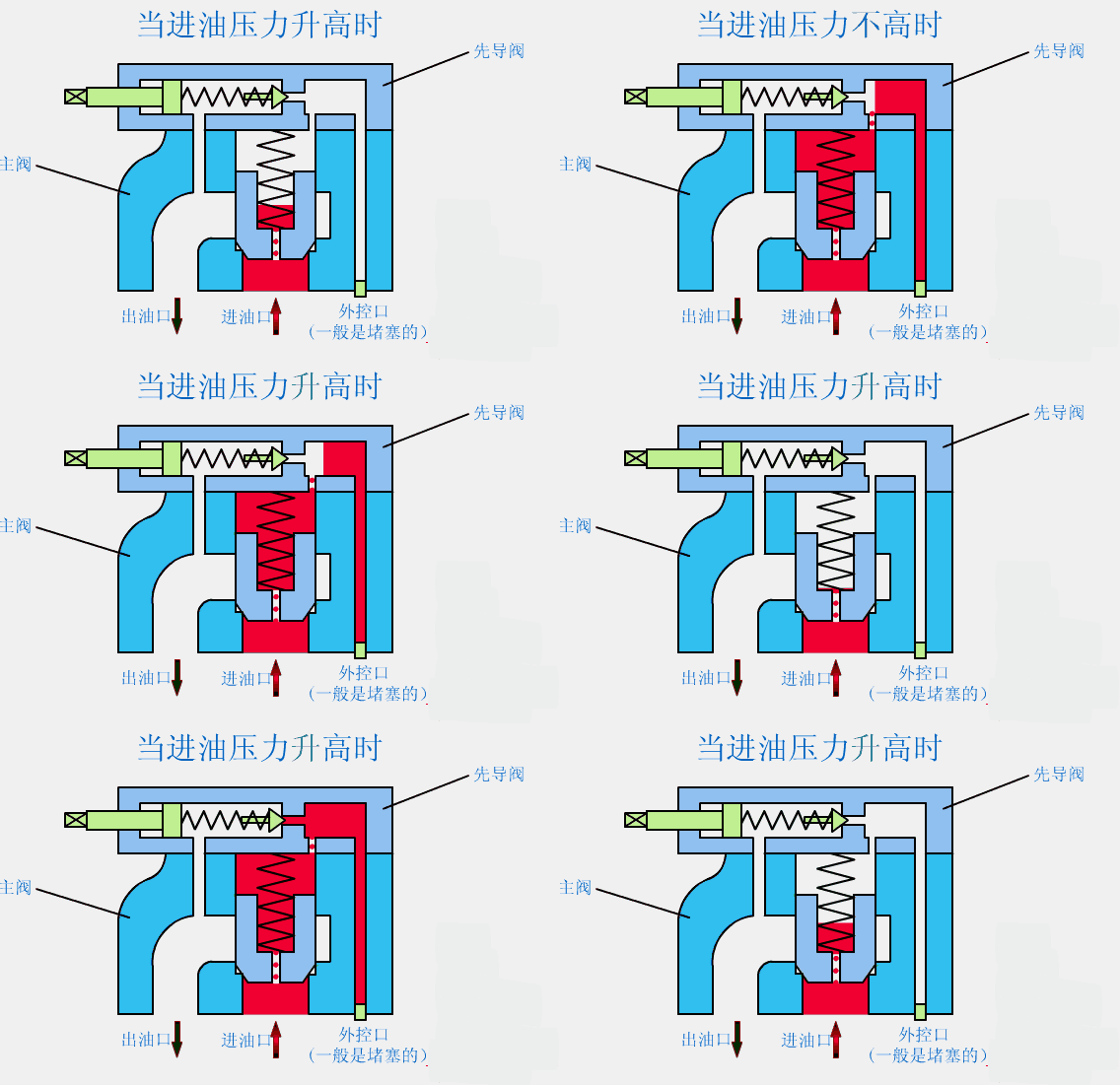
10、 Relief valve
11、 Flow control valves
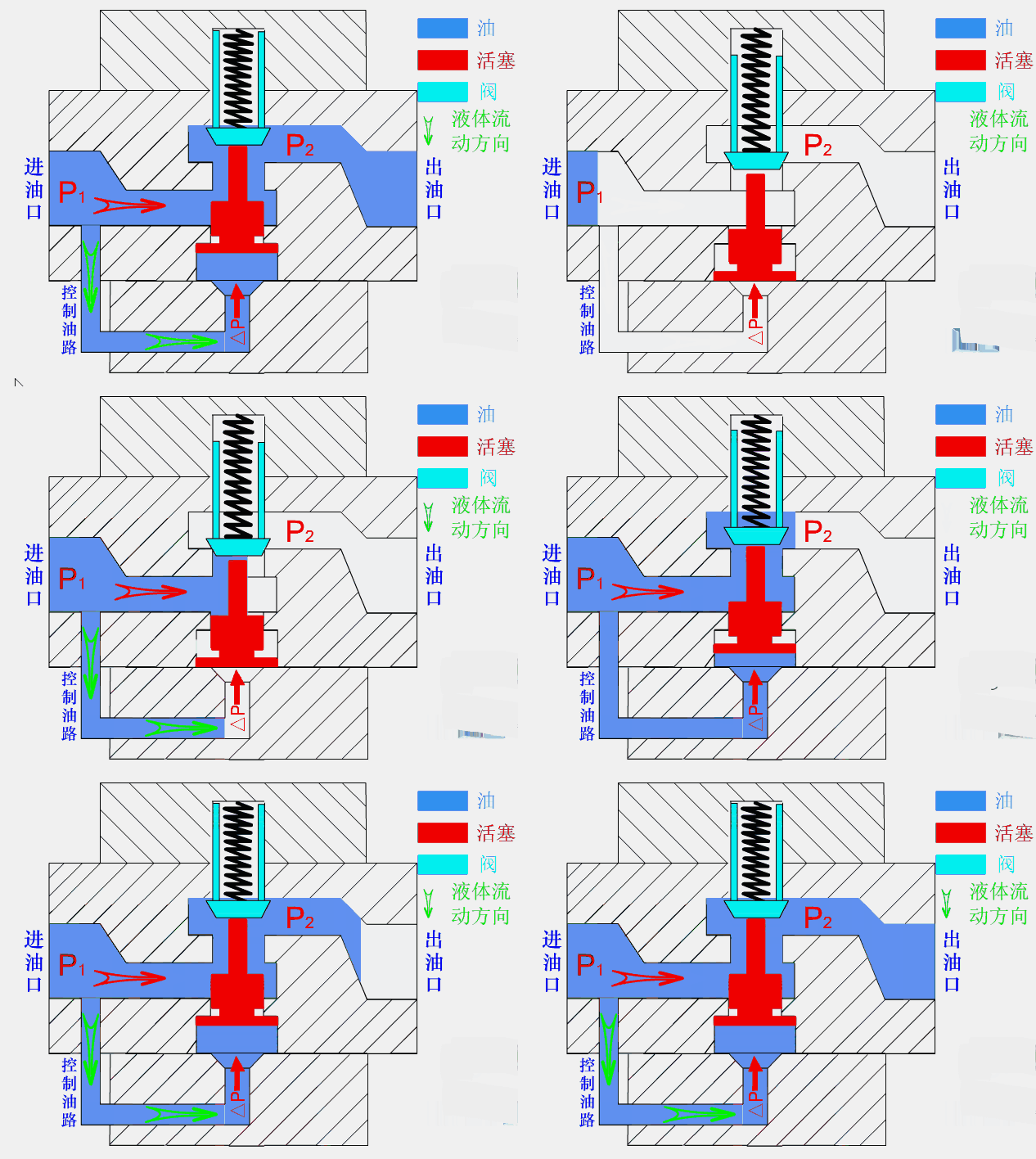
12、 Speed control valve
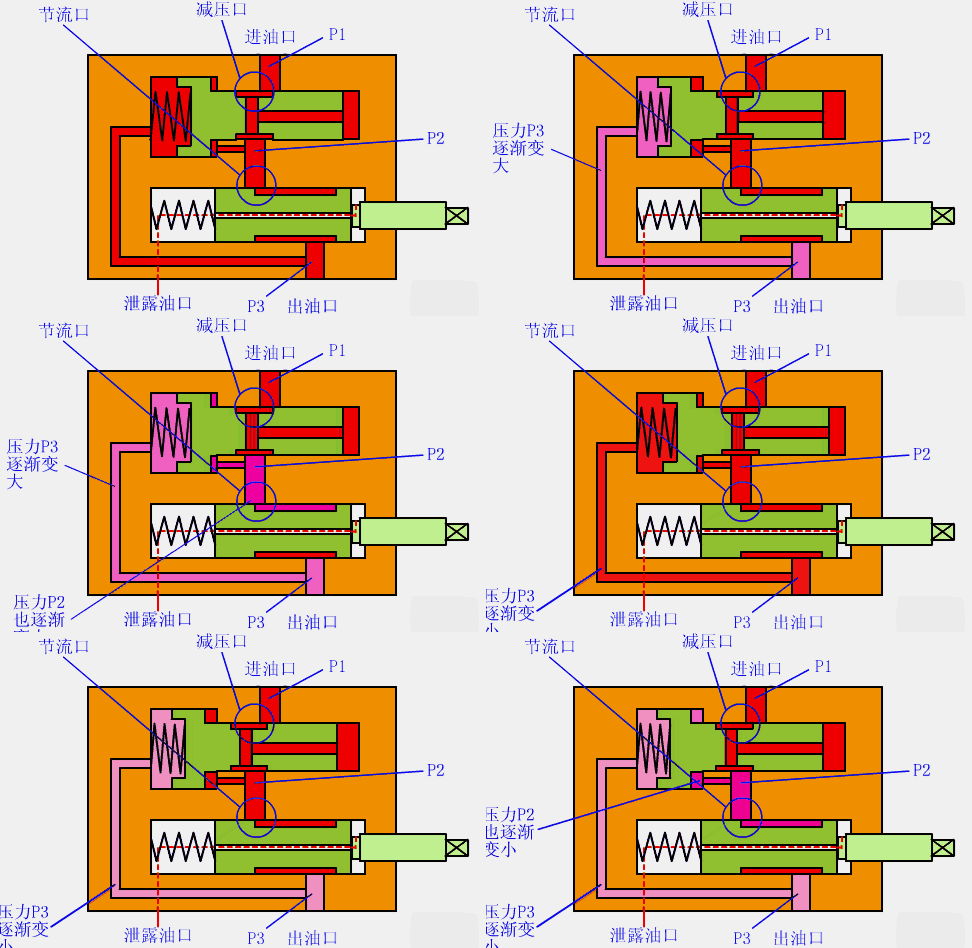
13、 Throttle valves
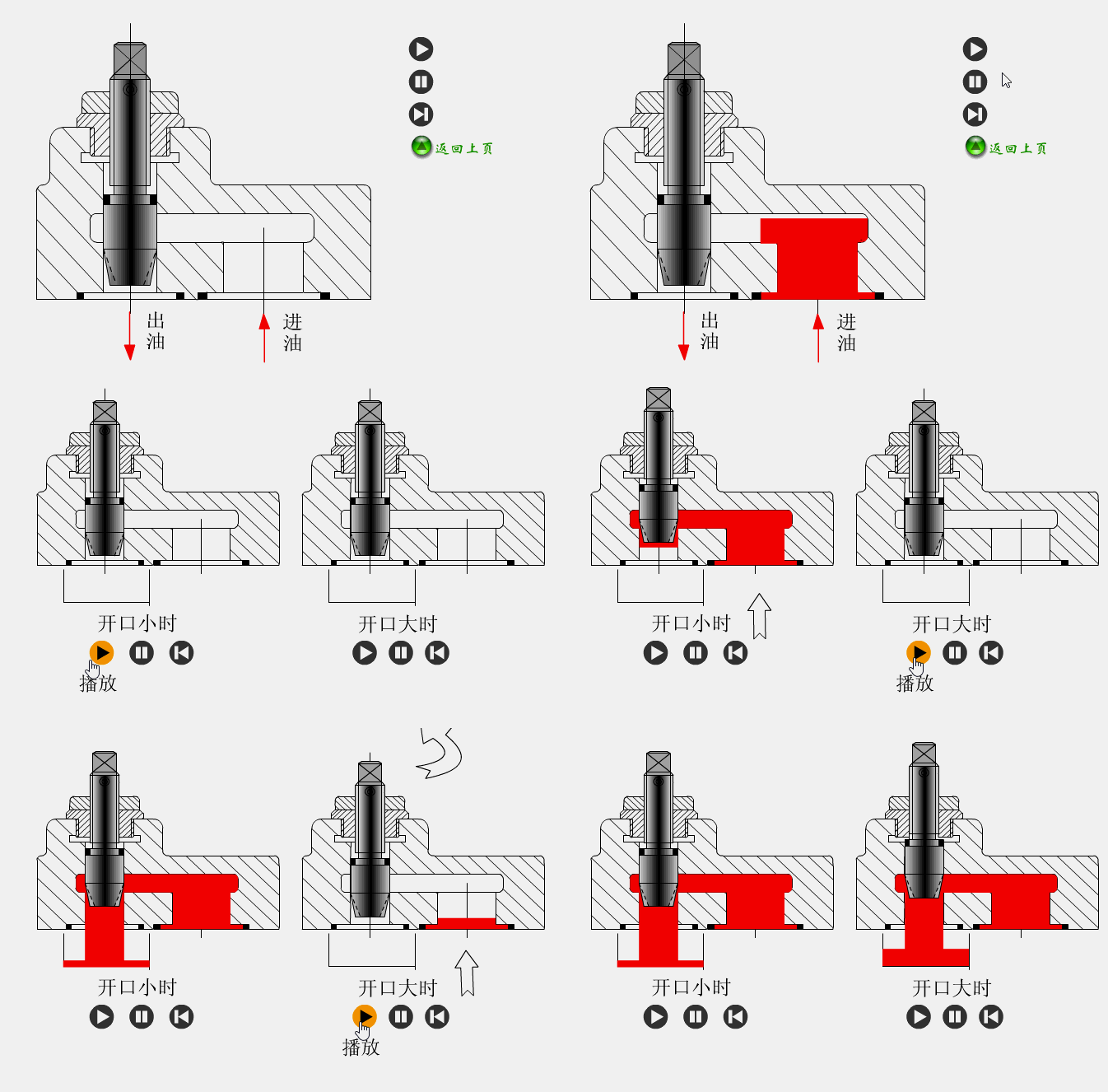
A hydraulic solenoid valve plays a critical role in actively controlling various aspects of a hydraulic transmission system, such as liquid pressure, flow, and direction. We categorize these valves according to their specific control functions: pressure control, flow control, and directional control. Specifically, a valve that controls pressure is referred to as a pressure control valve, while one that controls flow is known as a flow control valve. Furthermore, we refer to valves that manage the passage, on/off states, and direction of flow as directional control valves.
We further subdivide pressure control valves into three primary types: relief valves, pressure reducing valves, and sequence valves.
To begin with, relief valves specifically regulate the hydraulic system’s pressure to a predetermined level, ensuring consistent operation. When the system’s pressure rises beyond a safe threshold, it can potentially cause damage. To prevent this, the valve port will automatically open to release the excess pressure. This action safeguards the system from harm. We commonly use this type of relief valve for overload protection, and we refer to it as a safety valve.
Moving on to pressure reducing valves, these are crucial for controlling the pressure within a branch circuit, ensuring that it remains stable and lower than the pressure in the main circuit. Pressure reducing valves are classified into three types based on the specific pressure control function they perform. The first type is fixed pressure reducing valves, which maintain a constant output pressure. The second type is fixed differential pressure reducing valves, ensuring a constant pressure difference between the input and output. We refer to the third type as fixed ratio pressure reducing valves. These valves maintain a specific ratio between the input and output pressures.
Lastly, sequence valves are particularly important in scenarios where it is necessary to ensure that certain actuating components, such as hydraulic cylinders or motors, operate in a specific sequence. For instance, when an oil pump generates pressure, it initially drives the movement of hydraulic cylinder 1. Simultaneously, the system routes this pressure through the sequence valve to act on area A. As hydraulic cylinder 1 completes its movement, the pressure in the system increases. Once the upward force exerted on area A surpasses the spring adjustment value, the spool within the valve begins to rise. As a result, the system connects the inlet and outlet. This, in turn, triggers the movement of hydraulic cylinder 2.
Contact Zhuo Yi Control Technology for the latest production technology!