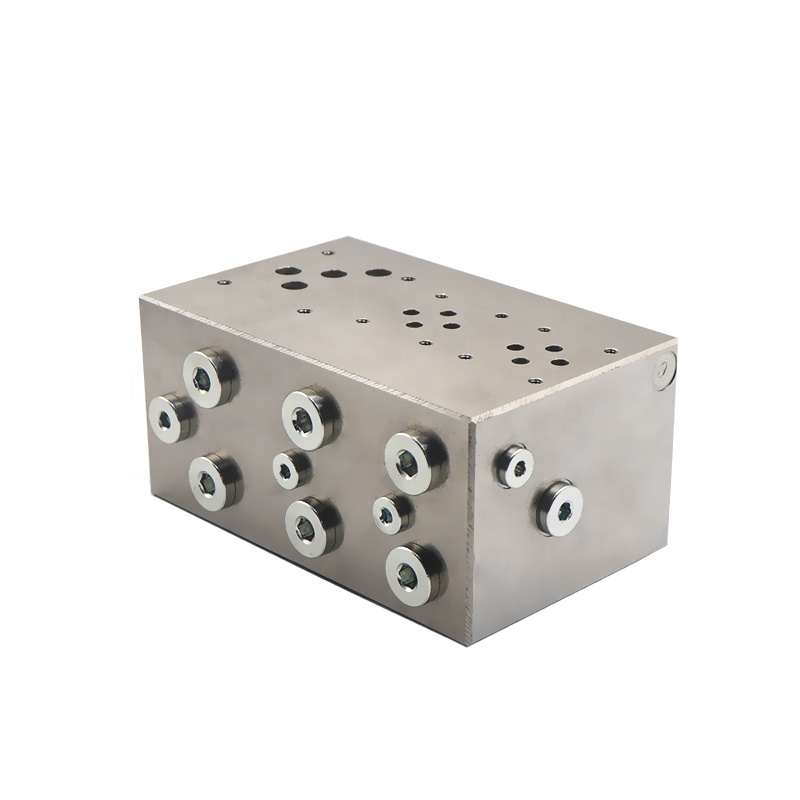
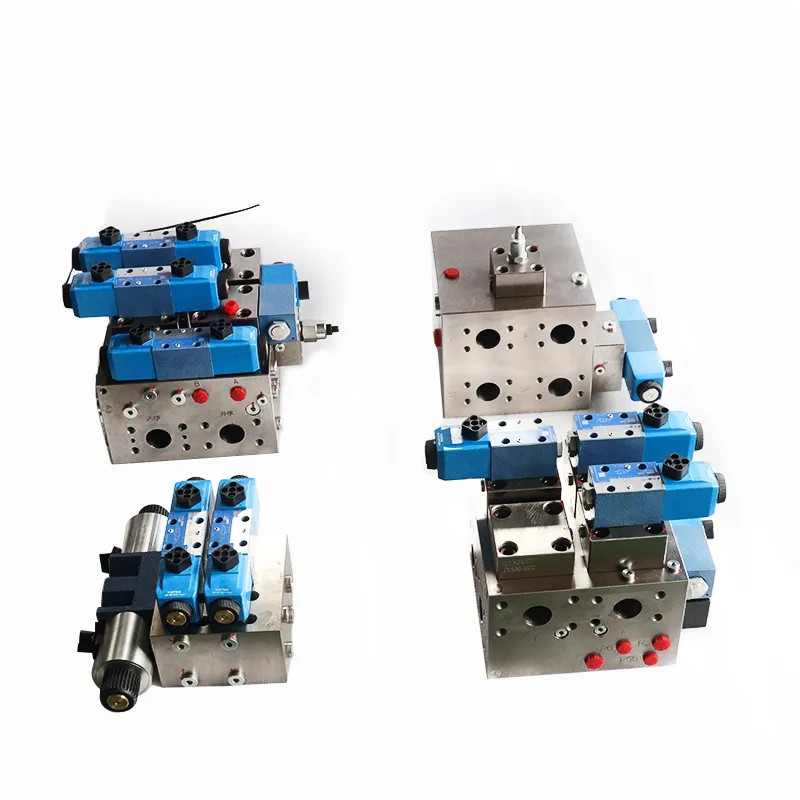
The increasing recognition of the importance of the standard hydraulic manifold block in the hydraulic system is leading to its more widespread application.The use of hydraulic valve block can not only simplify the design and installation of the hydraulic system, but also contribute to the integration and standardisation of the hydraulic system, which is conducive to reducing manufacturing costs and improving precision and reliability.

However, with the increase in the complexity of the hydraulic system, it also increases the difficulty of the design, manufacture and commissioning of the standard hydraulic manifold block.If designers do not properly consider the design, they will cause a series of problems such as a complex manufacturing process, increased processing costs, waste of raw materials, and cumbersome use and maintenance.
Simply put, a standard hydraulic manifold block controls the flow of hydraulic fluid. Hydraulic control systems generally use hydraulic valve blocks in all types.When using the standard hydraulic manifold block, it can achieve speed control, power control, process detection and other hydraulic system control. So what are the design principles of standard hydraulic manifold block?
Standard hydraulic manifold block design principles:
1、 According to the system’s hydraulic schematic diagram, determine the internal interconnecting orifices of the valve block body. Arrange a number of hydraulic control valves reasonably on the surface of the valve block. Pay attention to the installation requirements of the valve. Place components that need high-frequency maintenance in convenient locations and directions for maintenance, and control the outline dimensions of the valve block body as needed.

2、The shape of the valve block is generally a rectangular hexahedron. Control the number of components installed in the valve body. When the number of hydraulic components becomes excessive, properly decompose them into multiple valve block bodies. Assemble the valve blocks using bolts to connect the components between the valve blocks.
3、 For the interconnected orifices in the valve block body, ensure the depth of the oil hole generally reaches the center line of the orifice it connects with. This helps avoid the deposition of oil, iron filings, and other pollutants.
4、 Design the valve block to avoid processing deep holes and slant holes. When deep holes must be used, apply the butt drilling method at both ends to improve the process. To facilitate the cleaning and maintenance of the apertures, use screw plugs to block the holes.

5、 Set up necessary detection ports on the main level orifice and the main pilot orifice of the valve block body to detect the relevant working parameters of the hydraulic circuit. Install quick-connect pressure connectors at the detection ports to facilitate the connection of pressure gauges and other external measuring devices.
6、Valve block body of all external oil port, detection port should be marked, and the oil port marking should be consistent with the corresponding mark on the hydraulic schematic diagram.
7、 Before assembling the hydraulic valve body components, calibrate and install the required pipe joints and valve components. Ensure that the bolt strength level and accuracy meet the system’s requirements.
Contact Zhuo Yi Control Technology for the latest production technology!