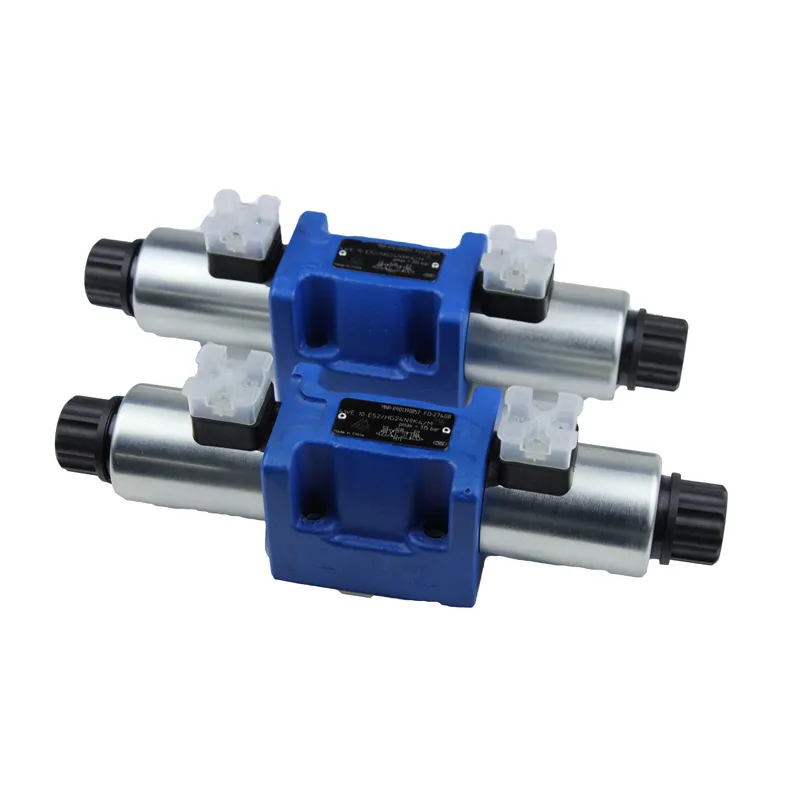
12v dc hydraulic solenoid valve is a kind of device to control fluid on and off through electromagnetic force, widely used in various industrial, agricultural, medical, scientific research and other fields. The role of 12v dc hydraulic solenoid valve is mainly to control the fluid flow, flow, pressure and other parameters, so as to achieve precise control of various equipment and systems.
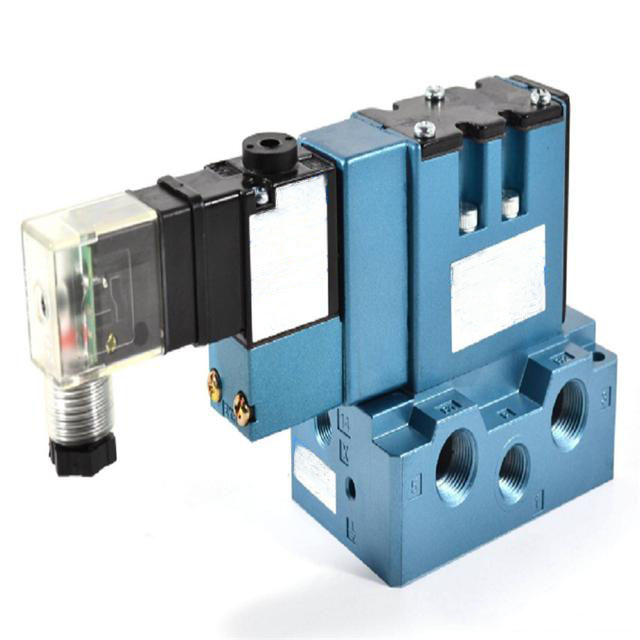
First, the basic structure of 12v dc hydraulic solenoid valve
The basic structure of 12v dc hydraulic solenoid valve includes coil, valve body, spool and seals and other parts. The valve body is the main part of the 12v dc hydraulic solenoid valve, usually made of cast iron, cast steel, stainless steel and other materials, with good corrosion resistance and pressure resistance. The coil is the driving part of the 12V DC hydraulic solenoid valve. When energized, the coil generates a magnetic field that attracts the spool. This action controls the fluid flow, turning it on and off. The spool is the key component of the 12v dc hydraulic solenoid valve, and its movement determines whether the fluid can pass through the valve. We use seals to ensure the sealing performance when the valve is closed and to prevent fluid leakage.
Second, the working principle of the solenoid valve
The principle of solenoid valve is based on the phenomenon of electromagnetic induction. When energized, current flows through the coil. The resulting magnetic force attracts the spool, causing it to move and open the valve, allowing the fluid to pass. When the power is cut off, the magnetic force disappears. The spool then resets under the action of the spring, causing the valve to close and stopping the fluid flow. Electrical signals can control the switch state, giving the solenoid valve fast, accurate, and reliable control characteristics.
Third, the main role of the solenoid valve
1. switching: solenoid valve as a switching device, can quickly cut off or connect the fluid channel, so as to achieve the system control and regulation.
2. flow regulation: By adjusting the on and off time of the solenoid valve, you can control the fluid flow. Additionally, adjusting the on and off frequency allows you to manage the fluid pressure. These adjustments help meet the different needs of the production process.
3. direction control: The solenoid valve can control the direction of fluid flow. Depending on its structure and design, the valve can direct the fluid into different pipelines. This allows for the switching and control of the flow direction.
4. automation control: solenoid valve is widely used in automation control system. It can be based on sensors, controllers and other signals for automatic control, to achieve the automatic switching of fluids, flow rate control and other functions, improve production efficiency and equipment stability.
5. Safety protection: The solenoid valve has a fault self-locking function. When equipment failure occurs, the solenoid valve can automatically close the fluid channel. This prevents the accident from expanding and helps protect the safety of both equipment and personnel.
Fourth, the application of solenoid valve
The role of the solenoid valve is very broad, mainly used in industrial automation control systems, hydraulic drive systems, pneumatic control systems and other fields.
In the industrial automation control system, the solenoid valve manages the action of various actuators, such as cylinders and motors, enabling equipment automation. Similarly, in the hydraulic transmission system, it controls the flow and pressure of hydraulic oil for precise actuator control. Additionally, in the pneumatic control system, the solenoid valve regulates the flow of compressed air, facilitating diverse pneumatic actuator actions.
In addition to the above application areas, solenoid valves are also widely used in water treatment and environmental protection. They are commonly employed in the chemical and food industries as well. For example, in the field of water treatment, solenoid valves are used to control the flow of water and regulation, to achieve water purification and treatment. In various fields, the solenoid valve plays a crucial role as an important industrial control component. For instance, in environmental protection, we use solenoid valves to manage the discharge of waste gas and wastewater, helping to safeguard the environment. Similarly, in the chemical and food industries, they control fluid transport and mixing, ensuring product quality and production safety.
By gaining an in-depth understanding of the solenoid valve’s structure, principle, and role, you can better apply it in actual production. Additionally, understanding its application areas will enhance your ability to utilize it effectively. This knowledge helps improve production efficiency, ensure product quality, and reduce maintenance costs. Additionally, as science and technology progress and industries develop, solenoid valve technology will continue to evolve. These advancements will provide more reliable and efficient support for the development of industrial automation control systems.
Contact Zhuo Yi Control Technology for the latest production technology!