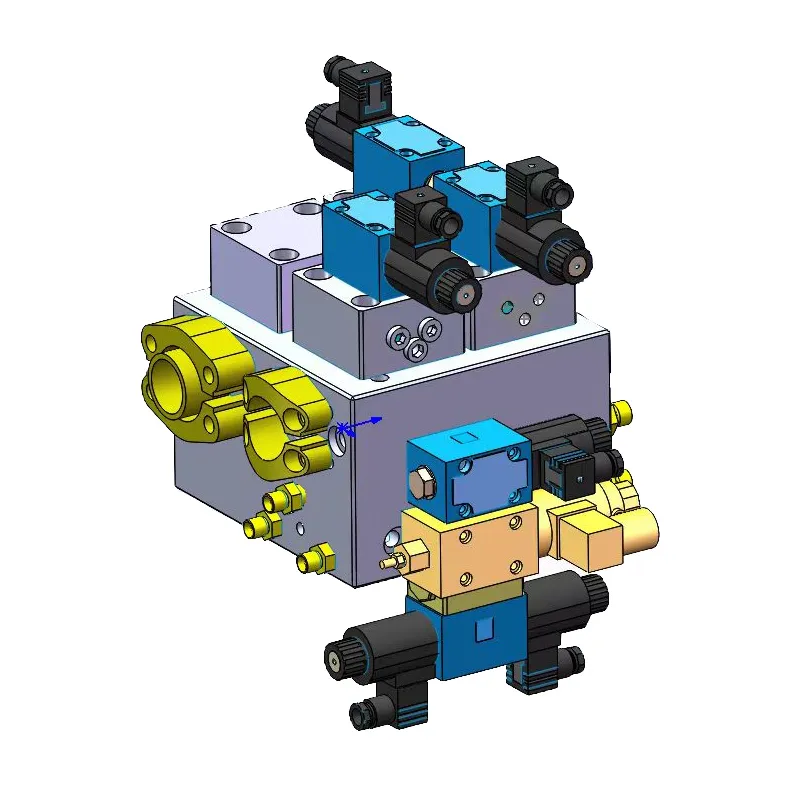
3 way hydraulic solenoid valve
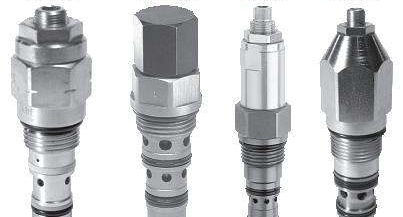
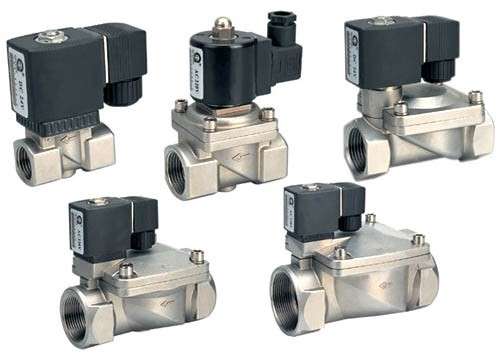
The 3-way hydraulic solenoid valve is a basic component of automation used to control fluids and acts as an actuator. It is not limited to hydraulics but also applies to pneumatics. We use solenoid valves to control the direction of hydraulic flow. Since factories generally control mechanical devices with hydraulic cylinders, they use solenoid valves.
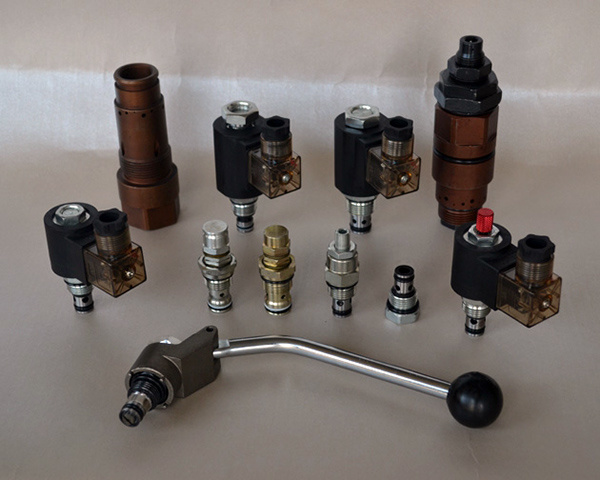
Characteristic
(1) The external leakage is blocked, the internal leakage is easy to control, and it is safe to use.
(2) Simple system, easy maintenance, low price.
(3) Fast action, small power, light appearance.
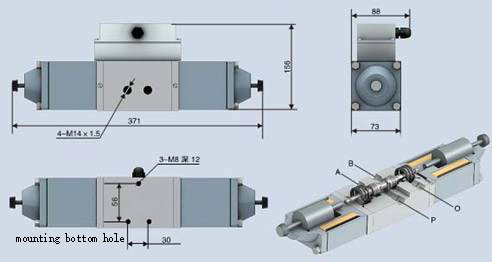
Pneumatic solenoid valve
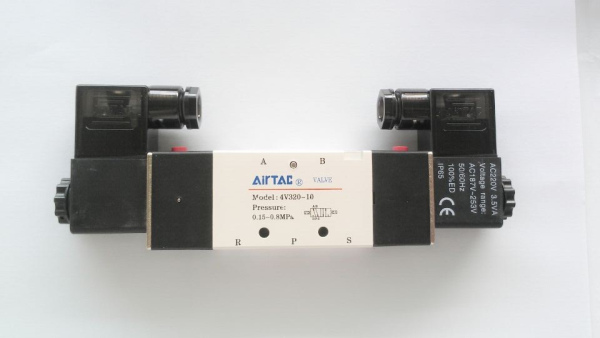
The solenoid valve controls industrial equipment using electromagnetism and acts as a basic component for fluid automation, functioning as an actuator. The pneumatic solenoid valve is one type of this equipment. It controls the movement of the valve body to block or release different discharge holes, while keeping the inlet holes always open. As a result, hydraulic oil enters the various discharge pipes and, through the pressure of the oil, pushes the piston in the cylinder. By controlling the solenoid current, the pneumatic solenoid valve regulates the mechanical movement of the entire solenoid valve.
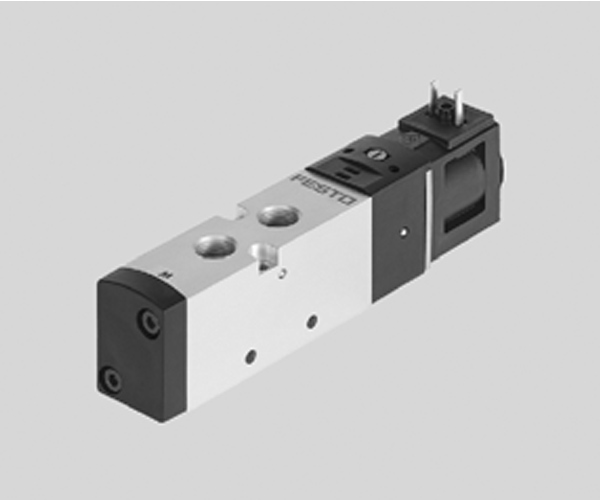
Characteristic
(1) In a vacuum, negative pressure, zero pressure can work normally, but the diameter is generally not more than 25 mm.
(2) In zero differential pressure or vacuum, you can still apply high pressure, but it requires more power and you must install it horizontally.
(3) Fluid pressure range upper limit is higher, can be arbitrarily installed (need to be customised) but must meet the conditions of the fluid differential pressure.
Principle
The pneumatic solenoid valve features a closed cavity with open holes in different positions. Each hole connects to a different gas pipe. A valve sits in the middle of the cavity, with electromagnets positioned on both sides. When you energize one side of the magnet coil, it attracts the valve body to that side. The pneumatic solenoid valve controls the valve body’s movement to block or release different exhaust holes, while keeping the inlet holes always open. High-pressure gas enters the various exhaust holes, and the gas pressure then pushes the cylinder piston through the pneumatic solenoid valve. By controlling the electric current, you manage the entire mechanical movement of the valve. The pneumatic solenoid valve uses air pressure to push the cylinder piston. This action controls the entire mechanical movement of the solenoid valve. By adjusting the solenoid current, you manage the operation of the pneumatic solenoid valve.
Why pneumatic solenoid valve and 3 way hydraulic solenoid valve can not be common?
Different energy sources used
We equip hydraulic valves with return lines to facilitate the collection of used hydraulic oil from the tank. Pneumatic control valves can discharge compressed air directly to atmosphere through the exhaust port.
Different requirements for leakage
Hydraulic valves have strict requirements for outward leakage, while a small amount of leakage inside the element is permissible. For pneumatic control valves, we do not permit internal leakage in principle, except for gap-sealed valves. Internal leakage of pneumatic valves carries the risk of causing accidents. Pneumatic pipework permits a small amount of leakage, while leakage in hydraulic pipework will drop system pressure and pollute the environment.
Different lubrication requirements
In a hydraulic system, hydraulic oil serves as the working medium, and hydraulic valves do not require lubrication. In contrast, a pneumatic system uses air as the working medium, which does not provide lubrication. Therefore, many pneumatic valves need oil mist lubrication, and all pneumatic systems will connect to a pneumatic triplex.
Different pressure range
Pneumatic valves have a lower working pressure range than hydraulic valves. The working pressure of pneumatic valves is usually within 10 bar = 1 MPa, and in a few cases up to 40 bar. Hydraulic valves, however, have very high working pressures (usually up to 50Mpa). If pneumatic valves are used at pressures exceeding the maximum permissible pressure. Serious accidents often occur.
Differences in usage characteristics
General pneumatic valve than 3 way hydraulic solenoid valve compact, light weight, easy to integrate and install, the valve’s high operating frequency, long service life. Pneumatic valve is to low power, miniaturisation direction, there has been a power of only 0.5W of low power solenoid valve.
Contact Zhuo Yi Control Technology for the latest production technology!