
Hydraulic control valve solenoid working principle:
The hydraulic control valve solenoid features a closed cavity with holes at different locations, each connected to a different oil pipe. A piston sits in the middle of the cavity, and we position solenoids on both sides. When you energize the electromagnetic coil on one side, it attracts the valve body to that side. This movement of the valve body opens or closes different drain holes while keeping the inlet holes always open.
Hydraulic oil then flows into the various drain pipes, using pressure to drive the cylinder piston. The piston, in turn, moves the piston rod, which drives mechanical devices. Thus, controlling the electrical current turns the solenoid on or off to control the mechanical movement. Then through the oil pressure to push the piston of the cylinder, the piston and drive the piston rod, the piston rod drives the mechanical device, so that through the control of the electromagnet current breaks to control the mechanical movement.
Classification of hydraulic control valve solenoid:
Hydraulic control valve solenoid refers to the hydraulic system transmission used to control the liquid pressure, flow and direction of a component. In the hydraulic control valve solenoid, we call the valve that controls pressure a pressure control valve. We call the valve that controls flow a flow control valve. We call the valve that manages flow direction, including through, off, and direction, a directional control valve. And these control valves under a new classification, the following take a look at other classifications.
1、 Directional control valves are divided into check valves and directional valves according to their use.
(1) check valve: only allows the fluid in the pipeline unidirectional connection, reverse that is cut off.
(2) directional valves: change the on-off relationship between different pipelines, according to the spool in the body of the working position of the number of points two, three, etc.; according to the number of channels controlled by two, three, four, five, etc.; according to the spool drive manual, motorised, electric, hydraulic, etc..
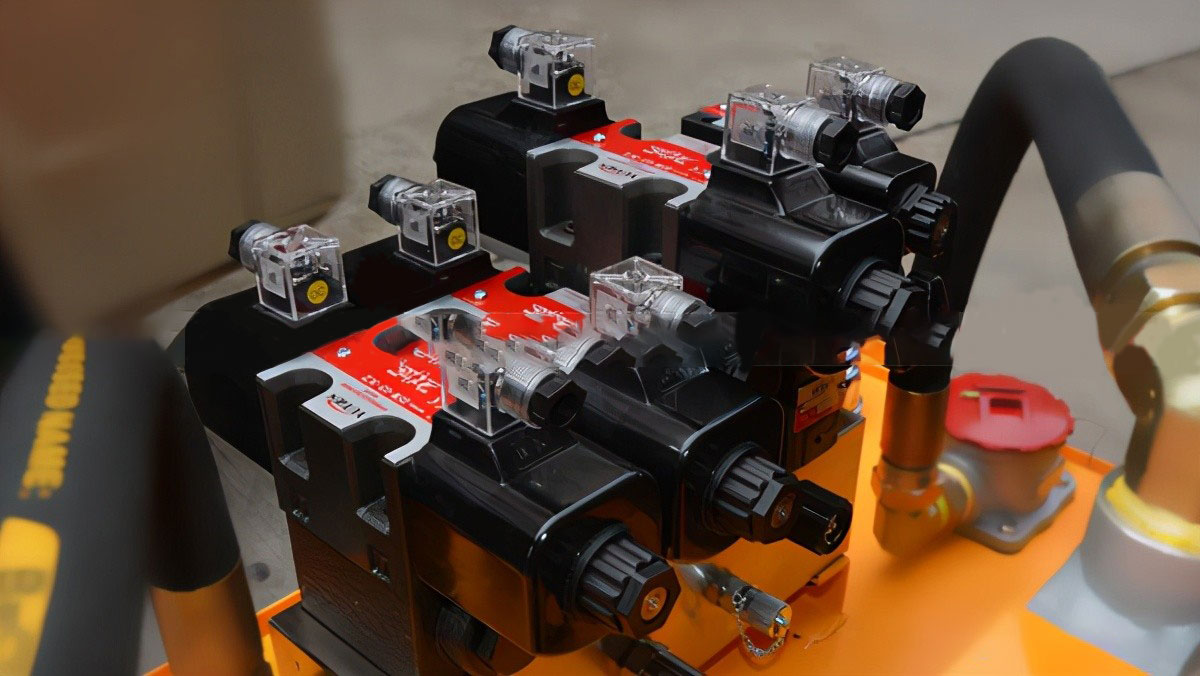
2、 Flow control valve is the use of regulating the spool and the valve body between the throttle port area and the local resistance it produces to regulate the flow, thereby controlling the speed of movement of the actuator. Flow control valves are classified into 5 types according to their use.
(1) Throttle valve: After adjusting the area of the throttle port, the throttle valve can make the load pressure change is not big and the movement uniformity requirements of the executive element of the movement speed is basically stable.
(2) Speed regulating valve: It can keep the differential pressure between the inlet and outlet of the throttle valve at a constant value when the load pressure changes.
(3) Diverter valve: regardless of the load size can make the same oil source of the two actuators to get equal flow for the equal amount of shunt valve or synchronous valve; and get proportional distribution of flow for the proportional shunt valve.
(4) Collector valve: it is to make the flow into the collector valve in proportion to the distribution of the flow, the role of the opposite and shunt valve.
(5) Diverter-collector valve: Combines the functions of a diverter valve and a collector valve.
3、 Pressure control valves can be divided into relief valves, pressure reducing valves and sequence valves.
(1) Relief valve: can control the hydraulic system to maintain a constant state when reaching the regulated pressure. A safety valve provides overload protection. When the system fails and the pressure rises to a level that might cause damage, the valve port opens to relieve the pressure and ensure system safety.
(2) Pressure reducing valve: can control the branch circuit to get lower than the main circuit oil pressure of the stable pressure. Pressure reducing valves vary based on their pressure control functions. They include fixed value pressure reducing valves, fixed differential pressure reducing valves, and fixed ratio pressure reducing valves.
(3) Sequence valve: It can actuate one actuator and then actuate other actuators in sequence.
Contact Zhuo Yi Control Technology for the latest production technology!