
Portable hydraulic power units is a pipeline with pressure to open and pipe cutting project used in the pressure to open the hole and hydraulic pipe cutting machine and hydraulic slurry pump power source, it is the use of high and low efficiency directly affect the working condition of the hydraulic equipment. Therefore, it is taken out separately for detailed explanation.
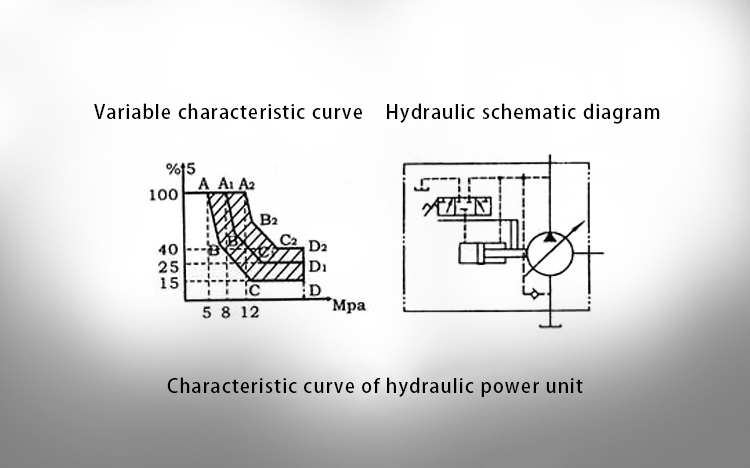
The hydraulic pump station, also known as portable hydraulic power units, operates on the following principle: A petrol engine or electric motor drives the rotation of the oil pump. The pump draws oil through its suction and pressurizes it, converting mechanical energy into hydraulic pressure energy. The hydraulic oil flows through the integrated block (or valve combination), and hydraulic valves direct, pressurize, and regulate it. We transmit the regulated hydraulic oil through external pipelines to hydraulic machinery cylinders or oil motors, thereby controlling the hydraulic power units. The direction of change, the size of the force and speed of speed, to promote a variety of hydraulic machinery to do work.
1. There are many types of hydraulic pump stations on the market. However, for engineering purposes, small portable hydraulic power units need to have the following functions:
1.1 able to operate continuously, continuously to the pressure to open holes and pipe cutting equipment to provide power function. Unlike other discontinuous hydraulic systems, the heat and heating pipeline with pressure to open the hole project requires continuous operation. For instance, with a hole diameter of DN1600, the system needs to run continuously for more than 10-12 hours. Similarly, in pipeline cutting projects, the pumping station must operate continuously for over 10 hours.
Portable hydraulic power units can output stable pressure and flow. Each pump station’s indicators vary, but engineering hydraulic equipment generally follows national standards for pressure regulation and testing. Flow is the core indicator of the hydraulic station. Only a few domestic enterprises can monitor flow and have a perfect servo system.
1.3 The prime mover can provide the power required by the project and the hydraulic supporting heat dissipation system.
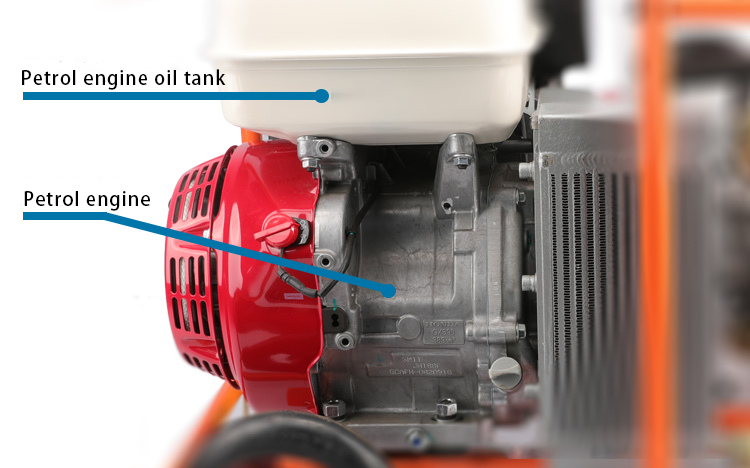
The structure of the various types of hydraulic pumps on the market differs significantly. However, there are many common points in their installation and use.
When starting petrol engine hydraulic power units and other machinery with an engine, first check the engine’s gasoline tank, switches, throttles, and dampers. Ensure that the direction of the flow of hydraulic oil and the sound are normal. Run the engine at low speed and low pressure for 5 to 10 minutes. In winter, extend this running time to double. If the engine cannot start due to low temperatures, move the hydraulic power unit into a heated room. Start and run the unit for 10 minutes before putting it into normal operation.
Before starting the piston pump, you must fill the pump with clean working oil through the oil drain port on the casing. Generally, the petrol engine should not be started and closed frequently during operation. When starting at low temperatures, wait until the temperature rises to about 20°C before putting it into normal operation. (If the portable hydraulic power units are supplied with a heater, they can be heated directly to raise the temperature).
The temperature affects the viscosity of hydraulic oil, and as the oil temperature rises, the viscosity decreases. Therefore, we need to keep the oil temperature below 60 ℃. To ensure the hydraulic pump operates stably at different temperatures, the selected fluid should have viscosity that is less affected by temperature changes. Additionally, the fluid should exhibit good chemical stability and anti-foam properties. According to the ‘Tianjin Pioneer Pipeline Hydraulic Equipment Factory and Maintenance Procedures,’ the recommended hydraulic oil is L-HM32 or L-HM46. These oils conform to the GB11118.1-94 anti-wear standard.
We can use the tank itself and air heat exchange to cool the portable hydraulic power units’ system, a method also known as natural cooling. This method is generally used for hydraulic systems with tanks smaller than 250 liters. For tanks larger than 250 liters, the system employs coolers for forced cooling. We use forced cooling for hydraulic systems with larger tanks.
Control and regulation of the device, the need to classify the configuration according to different work tasks, such as pressure, flow or flow direction in the system to control or regulate, such as relief valves, throttle valves, directional valves, open and stop valves, etc.. These components play different roles in the hydraulic system. Therefore, the design achieves the necessary functions through these modules or components.
Contact Zhuo Yi Control Technology for the latest production technology!


