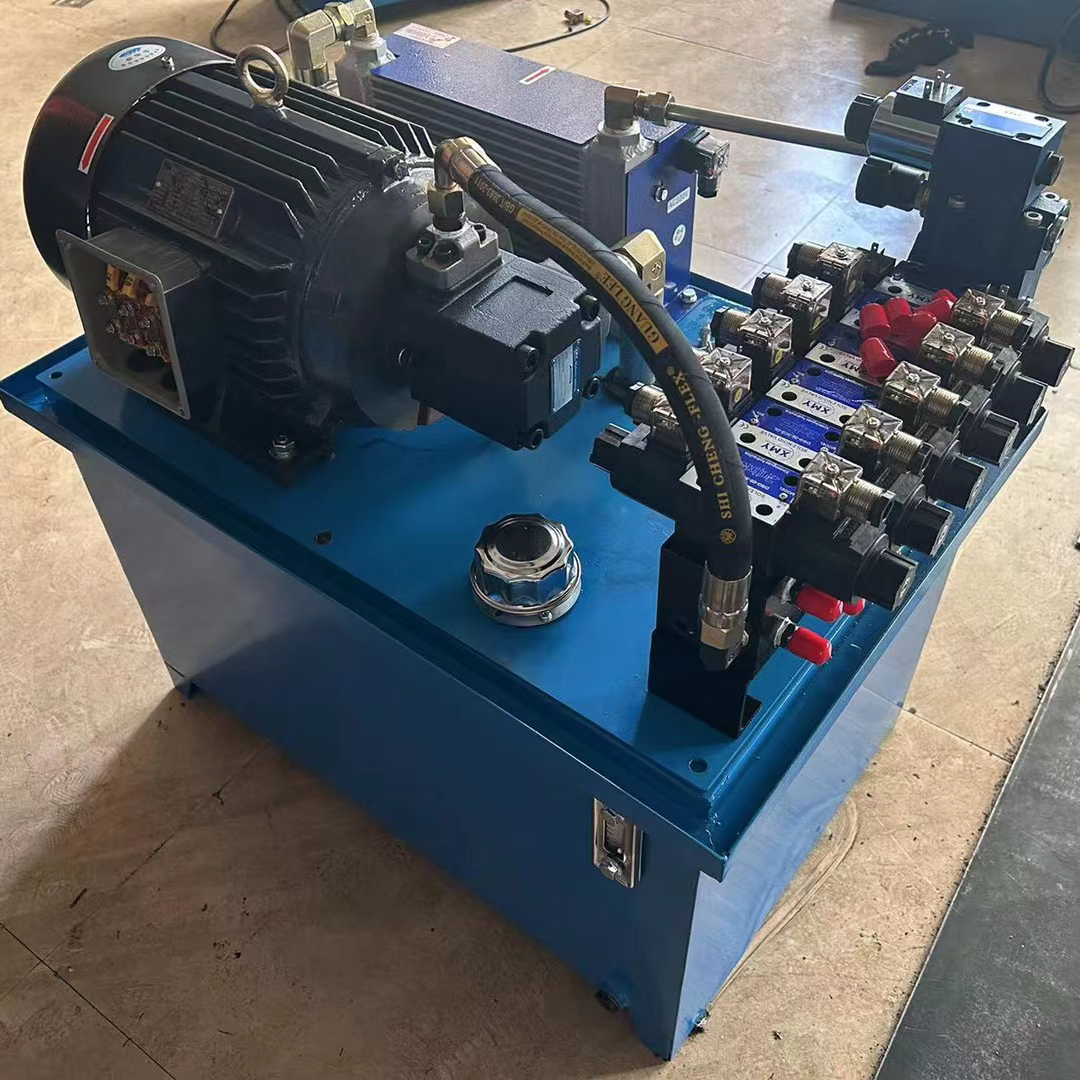
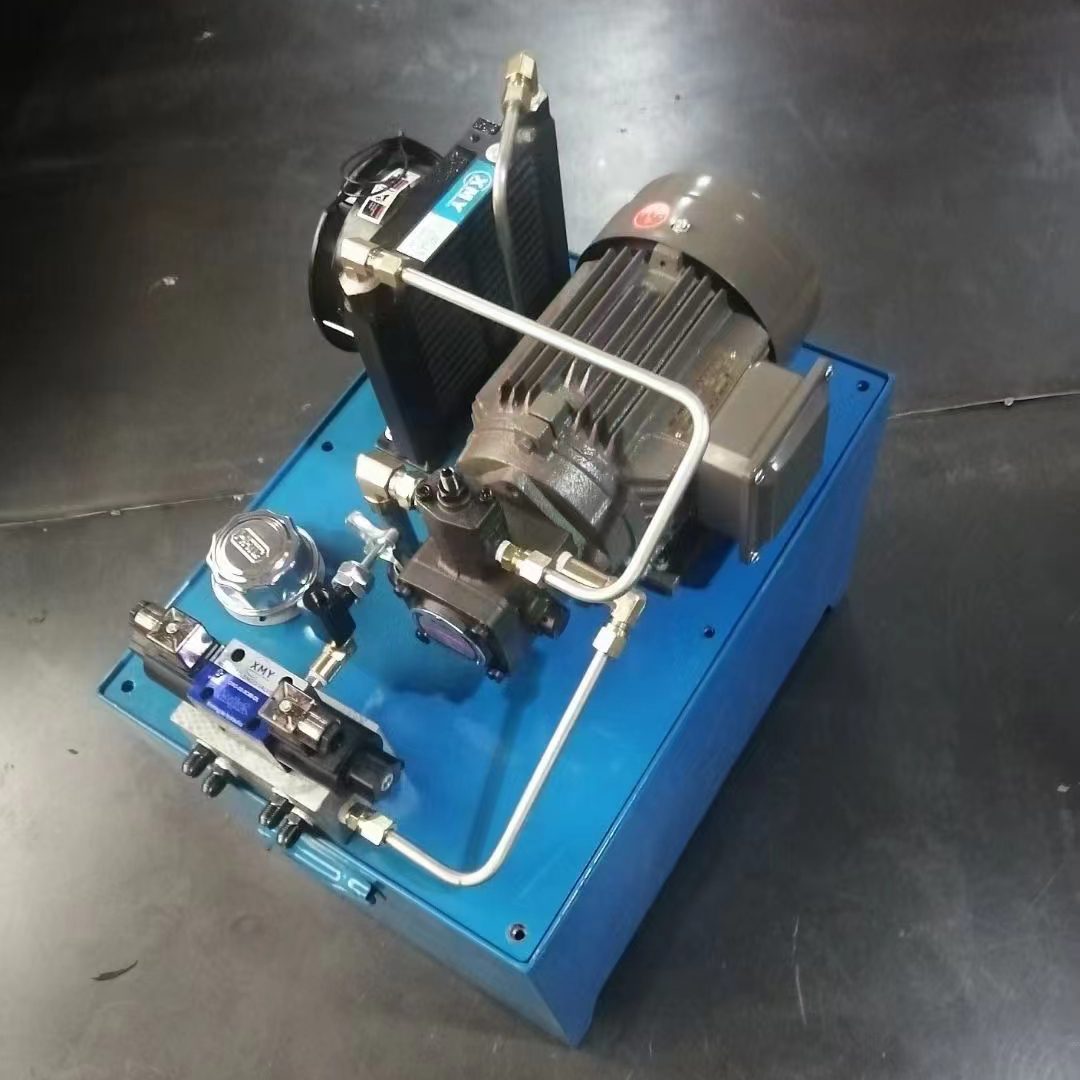
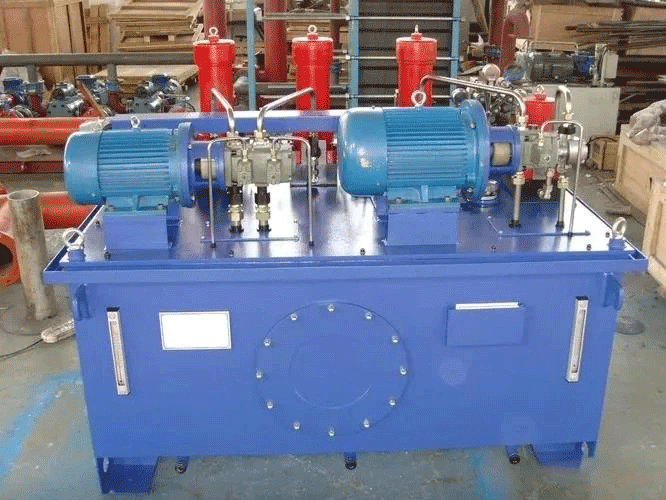
Hydraulic power unit, also known as hydraulic pump station, hydraulic station, oil station, is an independent hydraulic device, with the cylinder, to achieve a variety of settings of the expansion and contraction, lift function.
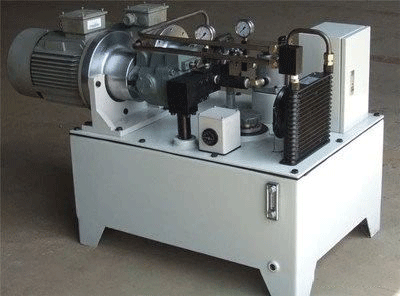
The hydraulic power unit consists of a hydraulic pump, drive motor, tank, directional valve, throttle valve, and relief valve. The hydraulic power unit we are discussing today is a hydraulic source device. Additionally, you can also call a hydraulic device that includes control valves a hydraulic power unit. The hydraulic power unit supplies oil according to the required flow direction, pressure, and flow rate of the drive device. It applies to various machines where the drive device and the hydraulic station are separated. The hydraulic power unit connects to the drive device (such as a cylinder or motor) through an oil pipe.
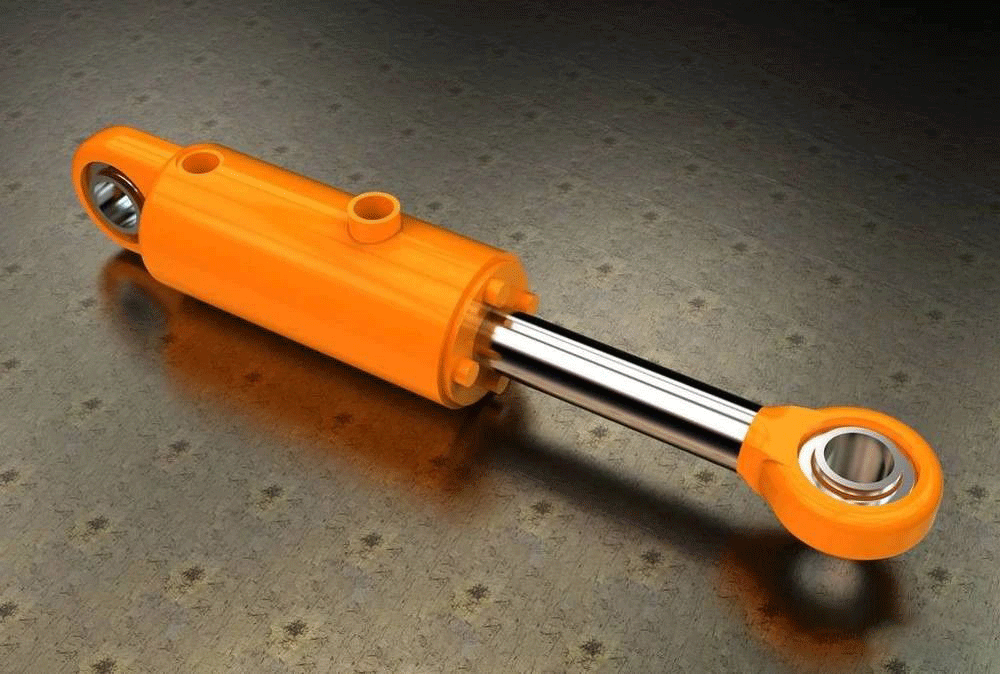
The role of the hydraulic power unit is mainly to provide power. This power drives hydraulic cylinders or hydraulic motors. The hydraulic power unit enables these actuators to work effectively. The working principle of the hydraulic power unit is as follows. The hydraulic pump converts the mechanical energy of the prime mover (e.g., motor) into the pressure energy of the liquid. Next, control valves and hydraulic actuators (e.g., cylinders or motors) use this pressure energy to convert it into mechanical energy. This process achieves various mechanical movements.
Common troubleshooting of the hydraulic power unit is as follows:
Oil leakage and oil pressure instability: after long-term use, a large number of leaks occur between the various oil collections, as well as between the valve and oil collection in the safety brake device. The oil pressure drops, causing the valve to remain stuck. This happens because the screws between them loosen. Tightening the screws can eliminate this fault. Oil pressure instability occurs due to air mixing into the hydraulic system. Exclude the air or improve the current filtering of the electro-hydraulic pressure regulator coil. The coil’s upper and lower vibrations result in oil pressure instability. Adding electrolytic capacitors can strengthen the filter.
Oil pressure value can not be guaranteed: the reason is that air has mixed into the hydraulic system, so we need to exclude the air. The relief valve spool in the electro-hydraulic proportional device jams, or the damping holes clog, so we clean, repair, or replace it. The distance between the control rod of the electro-hydraulic pressure regulating device and the nozzle is too small. We should increase this distance appropriately. The throttle hole of the relief valve is too large. We should replace it with a smaller diameter throttle hole.
Zero oil pressure: the brake system has no pressure because the oil pump rotates in the wrong direction or has no output fluid. The relief valve spool in the electro-hydraulic proportional device jams, or the damping hole clogs. The oil pump suction port is not smooth, or the suction filter is clogged. Dirt inside the pressure valve prevents the cone valve from closing. Treatment methods include: adjusting or replacing the control lever on the gear plate; replacing the relief valve throttle hole with a smaller diameter throttle hole.
Residual pressure is too large: Residual pressure being too large can cause the brake to lose its effect. The main reasons for this are: the distance between the gear plate on the electro-hydraulic pressure regulator control lever and the nozzle is too small. Additionally, the throttle hole in the relief valve is too large. Treatment methods include adjusting or replacing the gear plate on the control lever. Another method is replacing the throttle hole of the relief valve with a smaller diameter throttle hole.
Secondary brake oil pressure value pressure maintaining performance failure: when using a hydraulic station, pay attention to issues including regularly inspecting the pipeline and eliminating leaks promptly. Regularly inspect the pressure gauge and replace it immediately if it is damaged or malfunctioning. Regularly inspect the solenoid valve, and if there are issues with its action, sealing, or leakage, overhaul or replace it in a timely manner.
These are the hydraulic power unit roles and troubleshooting options, I hope you find them helpful.
Contact Zhuo Yi Control Technology for the latest production technology!