
There are many reasons for miniature hydraulic solenoid valve leakage, such as improper selection of solenoid valve models, solenoid valve installation problems, parts damage, etc. When the solenoid valve product leaks, the user should check the following aspects:
One is to check the structure of the miniature hydraulic solenoid valve.
Secondly, check the sealing material of the miniature hydraulic solenoid valve and then check the wire and other parts.
First, determine whether the solenoid valve is direct acting or pilot operated.
Direct acting solenoid valves have only two moving parts, but pilot operated solenoid valves use side holes to pilot some of the pressure to push the plunger, i.e., it is equivalent to adding auxiliary power from other holes to help the coil’s magnetic force not be enough to lift the plunger assembly. With the addition of a side hole comes another failure mode, a failure factor, and leakage reliability. It is far less reliable than a direct acting solenoid valve. In direct-acting solenoid valves, poor sealing of the sealing surfaces and inadequate welding of the plunger assembly tube generally cause leakage.
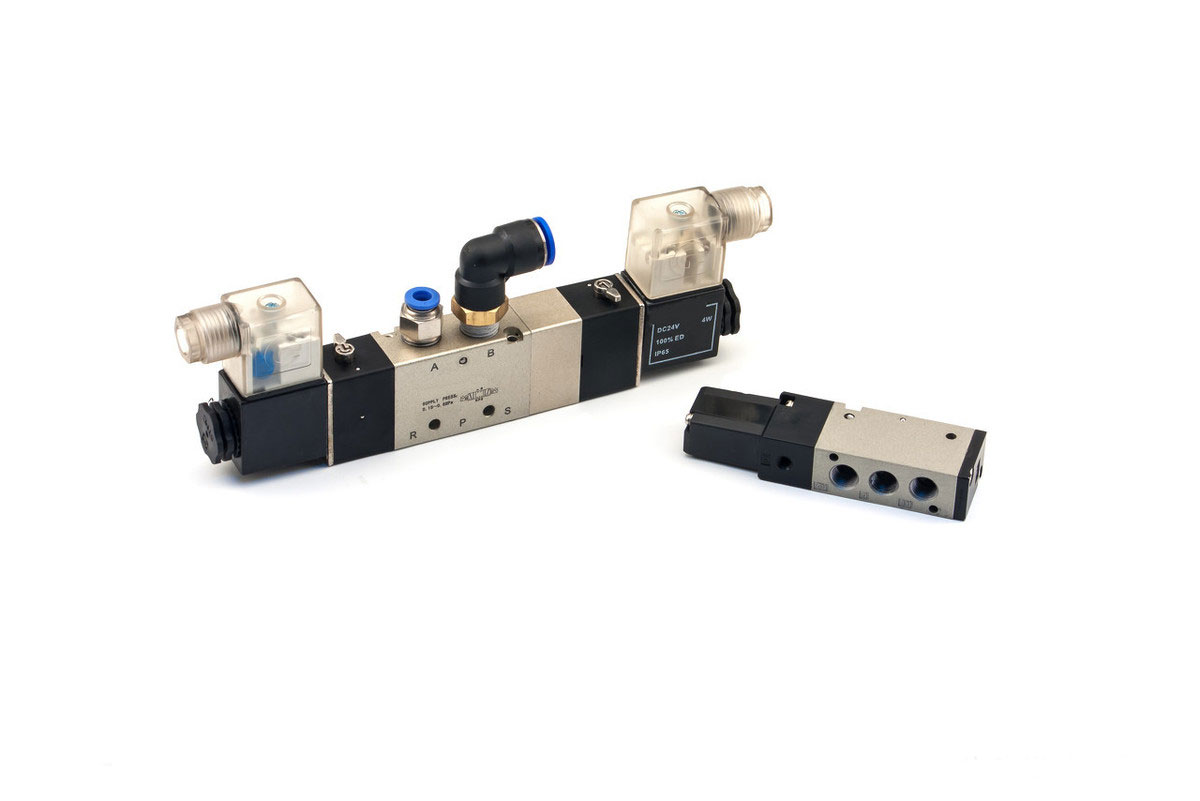
The main problems with the sealing surface are as follows:
(A) Elastic sealing material: elastic sealing material is designed according to different media, not a big problem, such as PTFE, EPDM, Viton, etc., but the price difference is very big. Some people say that the unit price of PTFE solenoid valve is 800. if so, you have to think about it. Of course, here we refer to materials with a purity of 95% or more of monomer materials. Most materials that do not meet this purity level will not guarantee proper molding, and their chemical and physical properties will change. Due to long-term contact and dissolution with the medium, it is easy to cause leakage.
(B) the processing accuracy of the elastic seal; processing accuracy, as we all know, for precision control of micro-solenoid valves, the elastic element of the external dimensions of the small, but if the large diameter solenoid valve of the elastic element of the shape of the shape is not small, the injection moulding process we all know what the water marks, shrinkage of the water, sprue, and other issues will have a direct impact on the flatness and roughness of the product. At present, foreign countries have integral forming and laser cutting to ensure that the shape.
(C) The processing accuracy and structural design of the metal sealing contact surface are crucial. Although it is difficult to determine which design is better, it is essential to use the design in conjunction with the corresponding elastic element. Precision is required in the design, and the roughness must be specified. Additionally, the type of material used for processing the small contact end face is also important. A design with too large an end face affects the flow. It also makes it easy for crystals, sand, dust, and other fine particles to stick to the elastic element. This sticking can cause leakage. Over time, the leakage tends to increase. However, the conical seal design does not have this issue. It features a small contact surface, which ensures a fast flow rate. The Cv value remains consistent. Additionally, the flow rate of this design structure will be much larger.
(D) Plunger assembly welding: the plunger assembly is generally smaller in shape, with higher requirements for argon arc welding and laser welding. First, to ensure production capacity and quality. Of course, the requirements of this material are also higher. Corrosive media and oxidising media will produce corrosion in the welded parts, which has a great influence on the airtightness.
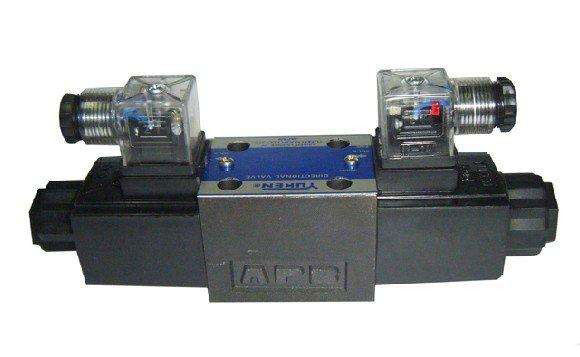
What is the solution to the leakage problem?
Generally, when a pipe leaks, check whether it is an internal or external leak. If the solenoid valve has internal leakage, you can use a simpler method to address it. First, open the solenoid valve and blow it several times with clean high-pressure air at 25 degrees Celsius. Next, use high-pressure gas at a temperature of 50 degrees Celsius. Afterward, close the high-temperature air blowing. This process helps to resolve the issue of light debris adhering to the inner cavity of the valve body. If this does not solve the problem, disassemble the valve body. Then, clean the plunger assembly and sealing surface by hand, wash them with a cleaning solution, and blow them dry with hot air. Of course, if corrosion or damage affects the sealing assembly or other parts, you must replace those parts.
Contact Zhuo Yi Control Technology for the latest production technology!


