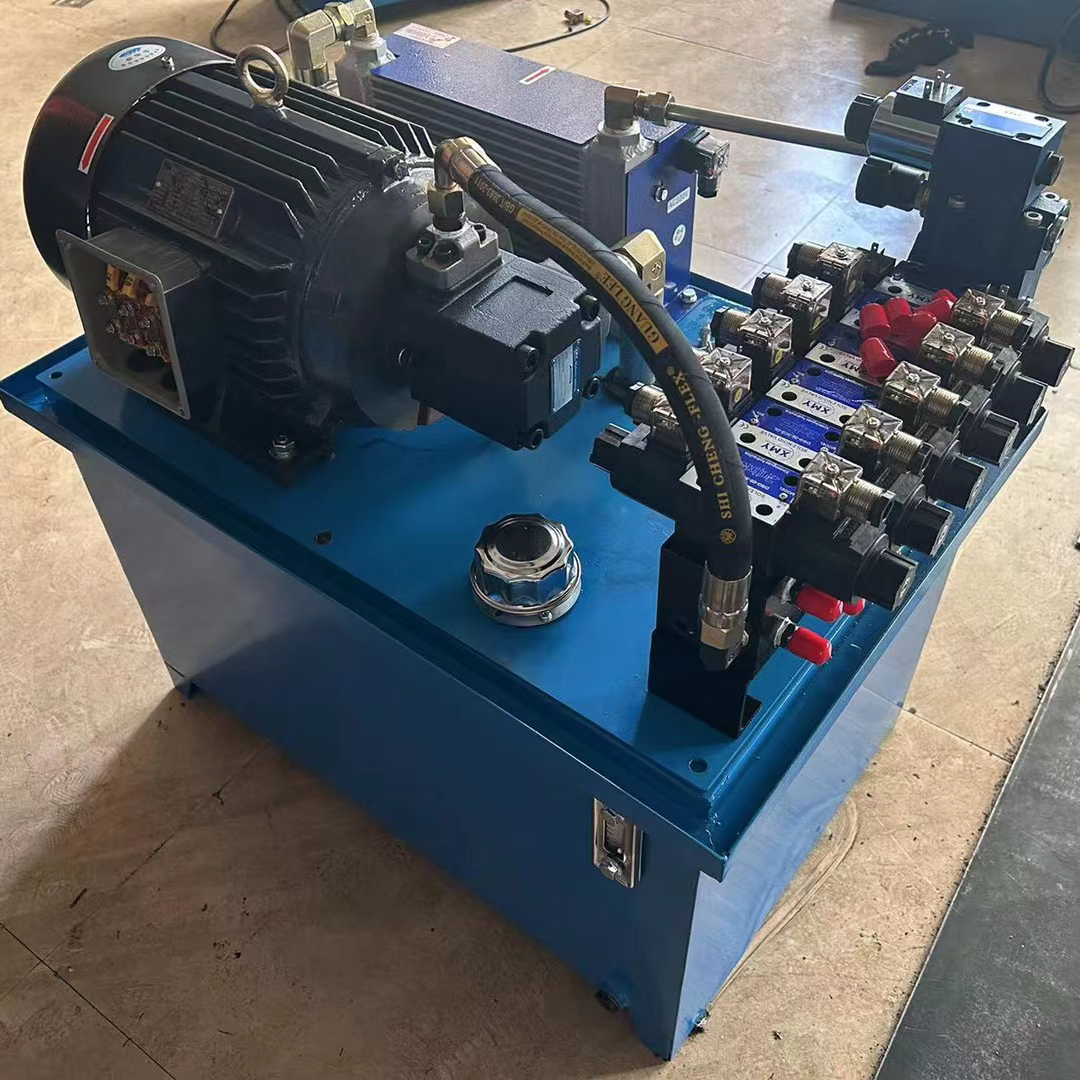
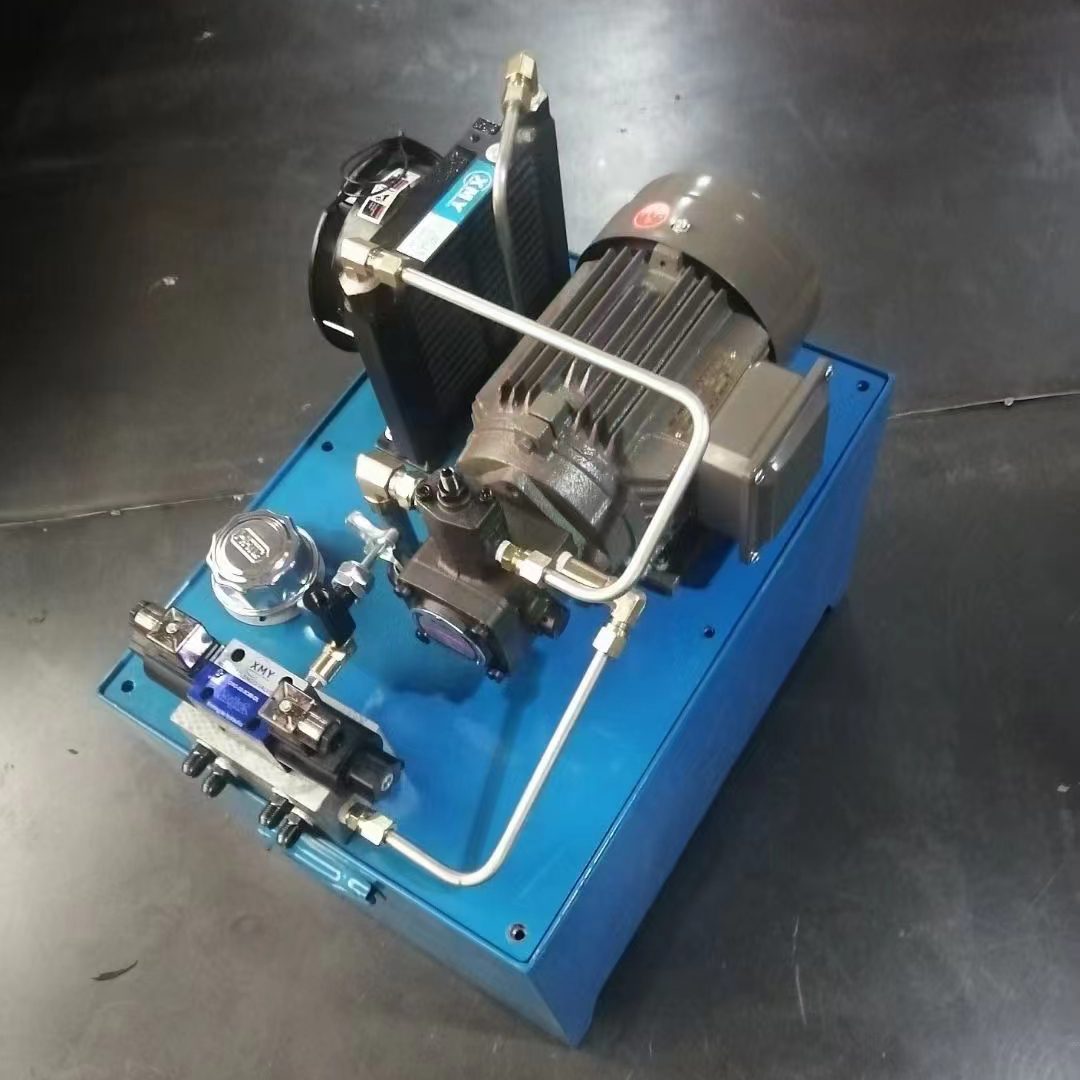
At present, China’s mining hoist braking device mostly used hydraulic disc brake device, the device consists of hydraulic station and disc brake and electronic control system. The double acting hydraulic power unit is a mechanism that drives the dynamic system and regulates the pressure mechanism. The stable and reliable operation of the hydraulic station is essential for mine safety lifting. Its performance and quality directly affect the safety of both equipment and people. The use of the hydraulic station demonstrates that it can achieve constant deceleration control. During emergency braking, it adjusts the average braking torque in response to load changes. This capability ensures that the system meets the requirements for constant deceleration in the hoisting system.
The hydraulic braking system and control system are complex. Improper use and maintenance can lead to issues such as excessive braking deceleration and braking torque that exceeds the limit, or insufficient braking torque. These failures can result in serious consequences.
The role of the double acting hydraulic power unit of the hoist
The double-acting hydraulic power unit of the hoist can serve as a disc brake, providing pressure oil at different pressures to achieve various braking torques. Under accident conditions, the system can make the brake oil pressure drop rapidly to a pre-set value. After a delay time, the brake oil pressure will then return to zero rapidly. This process allows the brake to reach a full braking condition. Supply the pressure oil needed for the rope adjusting device of single rope double drum hoist.

Elevator double acting hydraulic power unit common failure analysis and treatment methods
Oil leakage and unstable oil pressure After long-term use, significant leaks may occur in the safety brake device within the oil circuit and between the valve and the oil collection, leading to a drop in oil pressure, which prevents the valve from loosening. This issue occurs because the screws between these components become loose. Tighten the screws to eliminate the fault. Air entering the hydraulic system can cause oil pressure instability, so you should remove the air. Poor current filtering in the electro-hydraulic regulator coil can also cause the coil to vibrate and lead to unstable oil pressure. Installing electrolytic capacitors can strengthen the filtering to resolve this issue.
Oil pressure values cannot be guaranteed The issue arises because air has entered the system, the oil tank has excessive foam, or the relief valve and solenoid valve are leaking. To resolve this, check for leaks at the oil pump suction. Tighten the oil suction joints on the pump suction pipe. Ensure that you properly tighten the suction filter screws. Inspect the pipeline from the suction filter to the pump suction port for leaks. Verify that you have tightened the oil pump end cap screws. Clean the relief valve spool. If the spool does not move smoothly in the valve body, hold the spool by hand and grind it back and forth inside the body. Next, clean the solenoid valve spool. Ensure it moves smoothly within the valve body to guarantee proper positioning during operation.
Zero oil pressure brake does not release the brake system does not have the pressure of the reason: The oil pump might be rotating in the wrong direction or may not be outputting fluid. The electro-hydraulic proportional device could have a jammed relief valve spool or blocked damping holes. The oil pump suction port might be obstructed, or the suction filter might be clogged. Dirt in the pressure valve could prevent the cone valve from closing properly. To address the issue, correct the pump’s rotation direction to rule out oil pump failure. Disassemble the relief valve and clean it, ensuring the spool moves smoothly within the valve body, and use compressed air to blow through the damping holes. Clean the filter cartridge and check for blockages in the suction pipeline. Disassemble the pressure valve, remove the cone valve core, and clean it.
Excessive residual pressure Residual pressure is too large to make the brake lose its effect, the main reason is: electro-hydraulic pressure regulator control lever on the gear plate from the nozzle distance is too small; relief valve throttle hole is too large. Treatment: the control lever on the gear plate adjustment or replacement; the relief valve throttle hole to replace the diameter of a smaller throttle hole.
Secondary brake oil pressure value holding performance failure Produce secondary braking oil pressure value pressure faults are: oil circuit block on the big relief valve dirt stuck so that the spool shut off; one-way throttle valve opening is too large, a large amount of oil leakage; solenoid reversing valve dirt, internal leakage is too large. For this type of failure, first remove the valve core and clean it to remove any dirt. Ensure that the valve core is properly seated. Next, adjust the one-way throttle shut-off valve to make the opening as small as possible. This adjustment will help throttle and replenish the oil effectively.
Double acting hydraulic power unit should pay attention to the use of the process
During the processing, transport, and installation of the double-acting hydraulic power unit components and pipelines, various debris such as iron filings, abrasives, and dust can enter the system. Therefore, before the hydraulic station is used for the first time, thoroughly clean all valves, tubes, and tanks. Clean the tubes using the pickling method. During the working process, we should frequently check the wear and tear of various valves, pumps and other components, and regularly replace the seals, which should not have burrs or flying edges. Maintain the oil temperature within 65℃. Regularly replace the oil in the double-acting hydraulic power unit. If a large number of bubbles appear on the oil surface or the oil becomes very dirty during use, replace it immediately.
Additionally, select the hydraulic oil viscosity based on the actual needs of the hydraulic station, ensuring it is neither too high nor too low. If the viscosity is too high, internal friction resistance increases, mobility decreases, and heat dissipation becomes poor. This can lead to difficulties in startup, higher power consumption, and accelerated wear and tear, which can also cause system heating. On the other hand, if the viscosity is too low, leakage will occur and reduce the working pressure. In practice, you should select the appropriate viscosity of the oil based on the type of oil pump used. Follow the recommended viscosity of hydraulic oil for the oil pump. The presence of air in the hydraulic system will affect the normal operation of the system. Air should not be present in the oil pipe and brake cylinder connected from the double acting hydraulic power unit to the disc brake.
When filling the brake cylinder with oil for the first time after installation, the oil pressure should not be too high. Before filling the oil, prepare the exhaust screws on all cylinders for operation for a certain period. A small amount of air may intrude during this process. If you notice that the brake remains released for an extended period, exhaust the system to remove the air. When the hydraulic station stops working and then restarts, first open the oil pump motor, then energize the safety valve solenoid. Otherwise, air will be squeezed into the cylinder.
How to deal with high-frequency oscillations generated by system pressure
The high-pressure device in the hydraulic system is a flexible component. This includes the cross spring and the small spring in the relief valve, each with its own self-oscillation frequency. When the oil pump’s oil pressure pulsation frequency (which is independent of the power supply voltage) matches or is similar to these self-oscillation frequencies, it can produce high-frequency oscillation.
The uneven air gap within the magnet causes an unbalanced force on the moving coil and control lever. When the oil pump exerts pulsating oil pressure, high-frequency oscillations may occur.
Treatment: A. Adjust the current, strengthen the filter, so that it is stable in the required range. B. Adjust the magnet gap to make it even. C. The cross spring to be fixed. D. Proportional regulator to check the proportional valve whether there is air, if necessary, open the open air screw plug bleed.
What if the current in the T-coil rises but the pressure following is slow
External forces primarily deform the KT coil into an ellipse, which restricts its movement up and down. If you can repair it effectively, you can continue to use it; otherwise, you should replace it with a new KT coil. Additionally, one side of the control rod touches a small hole in the middle of the cross spring. This contact causes friction and resistance as it moves up and down, affecting followability. To address this issue, first loosen the cross spring nut and then adjust the position of the control rod relative to the small hole. Ensure that the control rod is centered in the small hole to resolve the problem.
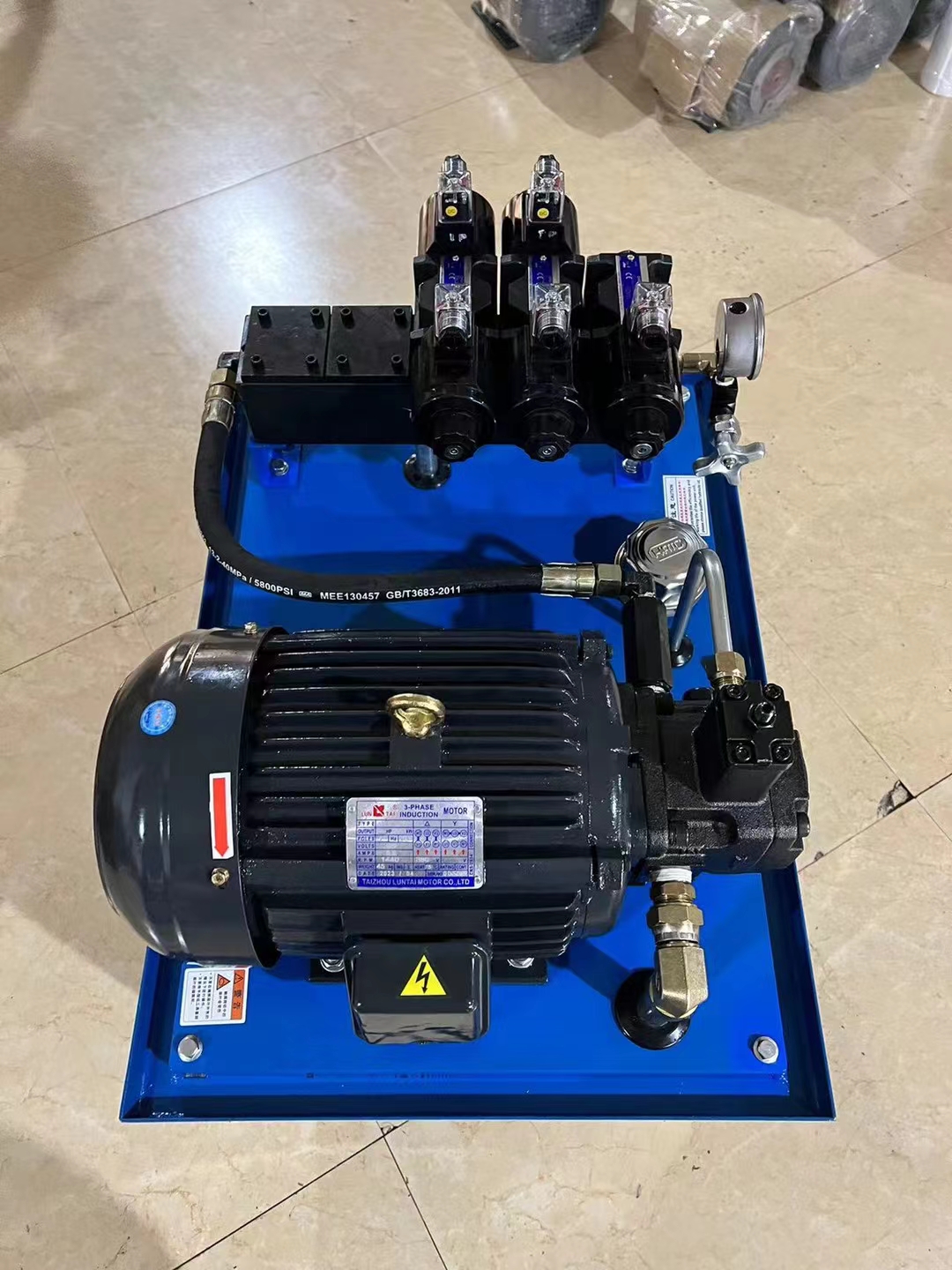
Electro-hydraulic regulator type double acting hydraulic power unit main pressure is not on pressure how to do
Clean all the small holes in the electro-hydraulic pressure regulator with paraffin or petrol. Also, clean all the guides and valve bodies of the relief valve to ensure it can be pressurized. If the nozzle, control rod end surface is not flat also affects the upper pressure. Use an M12 standard ring gauge to screw it onto the nozzle, ensuring the end face is slightly exposed on the plane of the ring gauge. Then, smooth the end face with a fine oil stone. The end face of the control rod on the lathe with a percentage table to find the right, so that the original end face is perpendicular to the shaft, and then use a lathe to repair the end face.
How to deal with unstable and fluctuating system pressure
The system mixes with air. To fix this, simply open the disc brake bleeder valve, let the air out, and then tighten it to restore normal operation. Air has mixed with the oil in the tank, creating many bubbles. To ensure normal operation, you should let it stand and wait for the bubbles to disappear.
The oil pump end cap might not be tightened, or the pipe fitting might not be secure, which allows air to enter and causes unstable system oil pressure. As long as the oil pump pipe seal is intact, tighten the pump end cap screws or pipe fitting nuts. The oil pump should ensure that there is a certain clearance between the oil pump rotor and the oil distribution disc, without making it wear out on it.
The KT coil might have poor signal current filtering, allowing AC components to cause pressure fluctuations. To address this, increase the capacitance and strengthen the filter. This will ensure that the signal current does not contain AC components.
What are the most important factors to ensure the proper functioning of a double acting hydraulic power unit?
1. We acid wash all pipes and neutralize them with lime water. We no longer weld treated pipes, and we ensure that the PTFE raw material tape used at the joints’ threads does not get screwed into the piping.
2. Inside the oil tank, after cleaning with paraffin, then use flour and make a dough to stick off the dirt inside the oil tank.
3. Filter the oil added to the tank with a 20μm filter, and avoid adding the oil directly to the tank.
4. Replace the hydraulic oil regularly, and test the incoming oil before replacement.
Contact Zhuo Yi Control Technology for the latest production technology!